A leaking shed roof can quickly become a bigger problem on a working farm. Damp feed, wet bedding, corrosion, poor light and uncomfortable livestock conditions all cost time and money. This agricultural roofing guide sets out what to consider before ordering sheets, from profile and coating to condensation control, rooflights and the smaller components that make a roof weatherproof.
Start with the building, not the sheet
Agricultural buildings have very different demands. A machinery store needs clearance, impact resistance and a dry interior. A livestock building needs fresh air without persistent draughts, plus effective condensation management. A hay or feed store needs reliable protection from wind-driven rain. The right roof specification depends on what the building does, where it stands and how it is constructed.
Measure the roof slopes rather than relying on a building footprint. This gives you the true sheet length and helps avoid unnecessary end laps. Check the pitch, purlin spacing, ridge detail, eaves, verges and any existing wall cladding that the new roof must meet. It is also worth noting the prevailing wind direction, exposed site conditions and whether gutters can cope with the roof area.
For a refurbishment, inspect the structure before covering it. Rusted steelwork, cracked timber purlins and uneven framing should be dealt with first. New sheets cannot correct a failing supporting structure. If you are changing the use of a building, increasing insulation or altering its height and appearance, check whether planning permission or Building Regulations approval applies to your project.
Agricultural roofing guide: choose the right material
Steel roof sheets are a popular choice for farm buildings because they are strong, quick to fit and available in long lengths. The profile, thickness and coating should suit the span, roof pitch and environment rather than simply being selected on the lowest price.
Box profile sheets
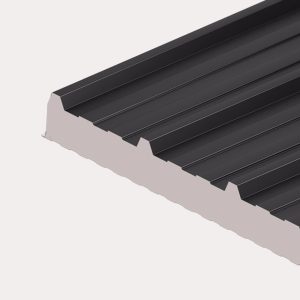
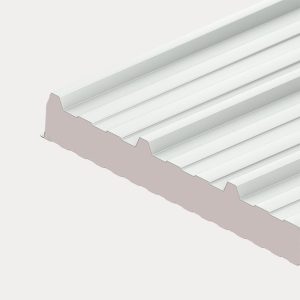
Box profile steel sheets give a clean, modern finish with deep ribs designed to add strength. They are well suited to machinery stores, workshops, general-purpose barns and many agricultural outbuildings. They can be supplied with a polyester or Plastisol-type finish, with the latter generally offering greater durability in demanding conditions.
Where the roof is visible from a yard or public approach, colour-matched flashings and trim make a marked difference to the finished result. More importantly, they close vulnerable edges where water and wind can otherwise find their way in.
Corrugated sheets
Corrugated steel has a traditional agricultural appearance and works well on barns, field shelters, stables and replacement roofs where the existing building uses a wavy profile. It is straightforward to handle, and the profile can be a practical match for older structures.
The trade-off is that corrugated sheets may not suit every low-pitch application or modern building design. Always confirm the minimum recommended pitch for the chosen product and consider the effect of side and end laps on the effective cover width.
Fibre cement sheets
Fibre cement is often chosen where a quieter roof is useful or where condensation resistance is a priority. It does not have the same internal surface condensation behaviour as uninsulated metal, and it can be a sensible option for livestock and agricultural storage buildings.
It is heavier than steel, however, so the roof structure must be suitable. Installation also needs careful handling and the correct fixings. Fibre cement is not a shortcut around good ventilation, but it can provide a useful performance advantage in the right setting.
Insulated panels
Insulated roof panels combine an outer weather sheet, insulation core and internal liner in one precision-made system. They are a strong option for workshops, farm offices, packhouses, heated stores and buildings where temperature control matters. They can also suit livestock projects where the design calls for a more controlled internal environment.
Insulated systems cost more upfront than single-skin sheeting, but they can reduce heat loss and limit condensation when specified and installed correctly. Pay close attention to panel joints, ridge construction, closures and penetrations. A gap around a pipe or poorly sealed joint can undermine the performance of an otherwise well-built roof.
Condensation is usually a ventilation issue too
Condensation forms when warm, moisture-laden air meets a cold roof surface. Agricultural buildings produce plenty of moisture through livestock, bedding, washdown, feed and daily temperature changes. On an uninsulated metal roof, that moisture can drip back into the building if it is not managed.
Anti-condensation fleece on the underside of steel sheets can absorb moisture and release it as conditions improve. It is useful, but it is not a substitute for airflow. A properly planned building should allow humid air to escape through ridge ventilation, eaves details or suitable open sides while avoiding direct rain entry.
For livestock housing, ventilation design needs extra care. The aim is to remove moisture, stale air and heat without creating a cold draught at animal level. The best approach depends on the building layout, stocking levels, orientation and local exposure. If in doubt, seek advice before ordering materials rather than trying to solve a ventilation problem after the roof is fitted.
Do not treat flashings and fixings as extras
A roof is only as reliable as its details. Sheets form the main weathering surface, but the accessories control how water leaves the roof and how wind is resisted at its edges. Ordering everything together also reduces the risk of incompatible profiles, mismatched colours or a delayed installation while waiting for one overlooked part.
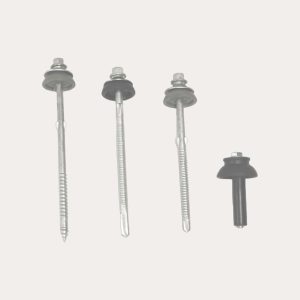
For most agricultural roof builds, the specification will include ridge flashings, eaves flashings, bargeboards or verge trims, foam fillers, stitching screws and primary fixings. Where rooflights, vents, flues or pipes pass through the roof, use suitable purpose-made flashings and seals rather than relying on sealant alone.
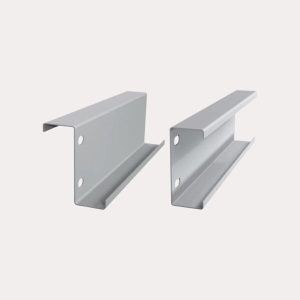
Fixings must suit the substrate. Timber purlins, light steel purlins and heavier steelwork require different screw types and lengths. Use washers designed for roofing applications, install them square to the sheet and avoid overtightening. A distorted washer may look minor on fitting day but can become a leak point after repeated freeze and thaw cycles.
Rooflights are another worthwhile consideration, especially in machinery sheds and workshops. They can reduce reliance on artificial lighting, but should be positioned to spread daylight without creating excessive glare. Match the rooflight profile to the metal sheets and allow for safe access during installation and future maintenance.
Plan the installation before delivery arrives
Long sheets are efficient because they reduce end laps, but they need safe handling. Arrange enough labour, lifting equipment and a clear unloading area before the delivery date. Store sheets off the ground on level bearers, protect them from standing water and avoid leaving bundled sheets in a damp location.
Fit sheets in the direction recommended for the prevailing weather, with side laps facing away from the usual wind-driven rain. Keep the first sheet square. If it is set out incorrectly, the error travels across the full roof and can leave the final sheet or verge flashing difficult to fit.
Work methodically from eaves to ridge, following the fixing pattern for the profile and purlin spacing. Cut sheets with appropriate tools that minimise damage to protective coatings, and remove metal swarf promptly. Never assume a few extra screws or more sealant will compensate for incorrect laps, poor alignment or missing closures.
Roof work carries obvious risks. Use safe access, edge protection and suitable fall prevention measures. Wet, windy or icy conditions are not the time to be working with large sheets at height.
Order for the whole job
A clear cutting list and accessory schedule makes purchasing simpler. Include the sheet quantity, exact lengths, profile, coating, colour, rooflights, ridge and verge pieces, fillers, fixings, gutters and any purlins required. Add a sensible allowance for cuts and details, but do not over-order full sheets without checking the layout first.
For trade buyers and competent DIY customers, getting a second check on the specification can save a costly site delay. Roof Sheets Online can help with product selection, compatible components and delivery planning, so the materials arrive ready for the work ahead.
A well-specified agricultural roof should protect the building through hard weather, keep internal conditions practical and remain straightforward to maintain. Take time over the details at the ordering stage, and the finished roof will do its job without demanding constant attention.