If you are asking, are fibre cement sheets asbestos, the answer depends on when the sheets were made. Modern fibre cement roofing sheets sold in the UK are asbestos-free. Older corrugated cement sheets, however, may contain asbestos and need a very different approach when they are repaired, removed or replaced.
For anyone refurbishing a garage, stable, shed, workshop or agricultural building, guessing is not good enough. The right decision protects the people on site, keeps your project moving and makes sure the replacement roof is specified properly from the start.
Are fibre cement sheets asbestos?
New fibre cement sheets are not asbestos. They are manufactured using cement, water and reinforcing fibres, typically cellulose or synthetic fibres, to create a strong, weather-resistant sheet without asbestos content. They remain a popular choice for agricultural, commercial and domestic outbuildings because they are durable, non-combustible and provide good acoustic performance in rain.
The confusion comes from older asbestos cement products. For many decades, asbestos fibres were mixed into cement products to add strength and heat resistance. Corrugated roof sheets, wall cladding, guttering, downpipes and flat panels were all commonly made this way.
Asbestos use was progressively restricted in the UK before being fully banned in 1999. That means a roof fitted before 2000 could contain asbestos, particularly if it has the familiar grey, corrugated cement-sheet appearance. Age alone is not proof, though. A building may have been re-roofed, repaired with newer sheets or fitted with reclaimed materials.
Why the distinction matters before work starts
Asbestos cement is generally considered lower risk than loose asbestos insulation because its fibres are bound into a hard cement matrix. When sheets are sound and left undisturbed, fibre release is usually limited. The risk rises when material is damaged, drilled, cut, snapped, sanded or cleaned aggressively.
This is why a tired old roof should never be treated as ordinary waste material. Using a pressure washer, angle grinder or drill on suspected asbestos cement can release harmful fibres. Breaking sheets during removal creates the same problem, and sweeping dry debris can spread contamination further than expected.
The practical rule is straightforward: if the material is old, unknown or suspected to contain asbestos, stop before starting work. Do not rely on appearance, colour or an online image comparison to confirm what it is. A sample can be tested by a suitable laboratory, while a competent asbestos surveyor or contractor can advise on the safest route for larger or more complex jobs.
How to assess an older fibre cement roof
Start with the building history. If you know when the garage, lean-to, stable or farm building was erected and whether the roof has ever been replaced, that gives useful context. Sheets installed before 2000 deserve caution, especially where there is no product paperwork or clear record of later refurbishment.
Visual checks can support an assessment but cannot provide certainty. Older asbestos cement sheets are often grey, weathered and corrugated, sometimes with a slightly mottled surface. Modern fibre cement can look similar, so these features should never be used as a final identification method.
Look at the condition from a safe position on the ground. Cracks, broken edges, exposed fixings, sagging laps and moss build-up may all affect the replacement plan. Avoid climbing directly onto old cement sheets. They can be fragile underfoot, whether asbestos-containing or not, and a fall through a roof is a serious risk.
If testing confirms asbestos, removal is not always the only option. In some cases, sound material can be managed in place or overclad following appropriate professional advice. Where the roof is leaking, deteriorating or needs alterations, removal and replacement may be the more sensible long-term answer. It depends on the condition of the sheets, access, building use and the work required beneath or around the roof.
Do not clean or repair suspected asbestos sheets yourself
A roof can look better after a heavy clean, but this is one job where appearance must not come before safety. Do not pressure wash suspected asbestos cement. Do not sand, scrape, drill holes for new fixings or cut sheets to suit a flashing detail.
Similarly, coating over an ageing roof may hide deterioration without solving it. If sheets are becoming brittle, fixings are failing or water is tracking through overlaps, establish what you are dealing with first. A clear assessment prevents a small repair from becoming an avoidable contamination issue.
Choosing modern asbestos-free fibre cement sheets
Once an old roof has been dealt with safely, modern fibre cement offers a dependable replacement for many projects. It is particularly well suited to stables, livestock buildings, agricultural stores, garages, workshops and garden buildings where a long-lasting, breathable roof covering is needed.
Fibre cement does not suffer from corrosion in the way unprotected metal can, making it a strong option for damp, coastal or agricultural environments. It also helps reduce the sharp drumming sound associated with heavy rain on steel sheets. For buildings where horses, livestock or machinery are kept, that quieter performance can be a worthwhile benefit.
There are trade-offs. Fibre cement sheets are heavier than some lightweight roofing materials, so the supporting purlins and structure must be correctly spaced and capable of carrying the load. They also need careful handling to avoid edge damage, particularly on longer lengths. Correct overlaps, suitable fixings and the right flashings matter just as much as the sheets themselves.
For an uninsulated building, ventilation and rooflights should be considered early. Condensation does not disappear simply because you have selected a quality sheet. Warm, moist air inside a stable, workshop or storage building can still meet a cold roof surface. The right combination of ventilation, insulation where needed and correctly detailed roof components will give a far better result than treating condensation as an afterthought.
Specify the full roof, not just the sheets
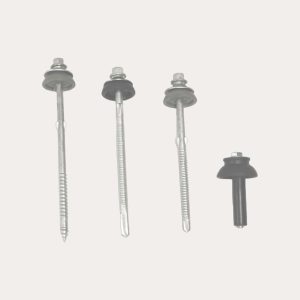
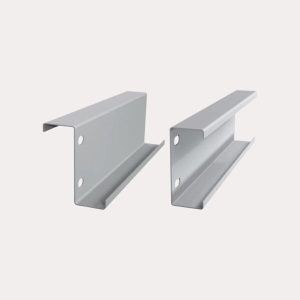
Replacing an asbestos cement roof is a good opportunity to check the whole build-up. The sheet profile must suit the roof pitch and existing structure, while fixings need to match the purlin material and sheet design. Ridge pieces, verge details, eaves closures, fillers and flashings all help create a weatherproof finish.
It is tempting to order sheets first and work out the accessories later. That often causes delays, incorrect laps or last-minute trips to find compatible components. A complete specification saves time on site and avoids compromising a new roof with improvised details.
At Roof Sheets Online, we can help customers match fibre cement sheets with the practical components required to finish the job properly, from fixings and flashings to rooflights and purlins. If you are replacing an older roof, have your measurements, roof pitch, purlin centres and a few photographs ready before ordering. It makes technical guidance much more precise.
Disposal and replacement planning
Asbestos-containing sheets must be handled and disposed of in line with the relevant UK requirements. Your local authority may have specific arrangements for household asbestos, while commercial, agricultural and larger quantities often require specialist collection and disposal. Never put suspected asbestos sheets in a general skip without checking the provider’s rules first.
Plan the replacement roof before old sheets are removed. Confirm sheet lengths, delivery access, safe unloading space and whether the building needs temporary weather protection. For occupied stables, workshops or storage areas, consider how long the roof will be open and how stock, animals or equipment will be protected from dust and rain.
A modern asbestos-free fibre cement roof is a straightforward, hard-wearing upgrade once the existing material has been properly identified and managed. Get the safety decision right first, then choose sheets and accessories that are built to perform for years rather than merely covering the problem for another season.