A cold roof versus warm roof decision is not just about where the insulation sits. It affects condensation risk, roof build-up, usable headroom, installation time and the sheets, flashings and fixings you need to order. Get it right at the design stage and the finished roof will be dry, efficient and built to last. Get it wrong and moisture can become an expensive problem hidden above the ceiling.
For garages, workshops, extensions, stables and agricultural buildings, the best option depends on how the building is used, whether it is heated, and the roof structure already in place. Both systems can perform well when properly specified. The key is choosing a complete build-up rather than treating insulation as an add-on.
Cold roof versus warm roof: the key difference
A cold roof places insulation at ceiling level, between or over the ceiling joists. The loft or void above the insulation remains cold and needs ventilation to remove moisture-laden air. The roof covering, battens, rafters and deck are therefore on the cold side of the insulation.
A warm roof places insulation above the structural deck or between and below rafters as part of a carefully designed insulated build-up. The deck and structure remain closer to the internal temperature, reducing the chance of condensation forming within the roof. A correctly designed warm roof generally does not rely on ventilating a cold void in the same way.
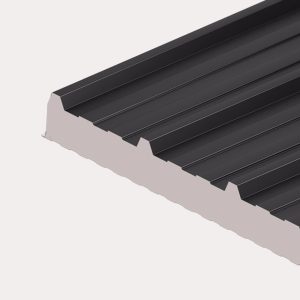
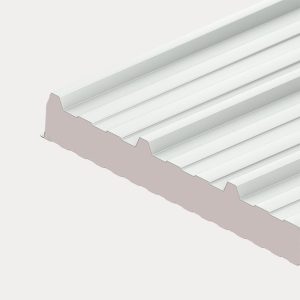
On a metal-sheeted building, the wording can cause confusion. A single-skin steel roof with a lined and insulated internal ceiling may form part of a cold roof approach. Insulated composite panels, such as Kingspan QuadCore roof panels, are more commonly used to create a warm, thermally efficient envelope. The exact detail still matters: panel joints, closures, vapour control layers, rooflights and penetrations all need to work together.
When a cold roof is the practical choice
Cold roofs remain a sensible option for many pitched domestic roofs, particularly where there is an accessible loft and insulation can be laid at ceiling level. They are often straightforward to upgrade during refurbishment because the existing external roof covering may be left in place.
For an unheated garage, storage shed or agricultural outbuilding, a cold roof can also suit the brief if the internal space does not need close temperature control. The initial material cost can be lower, especially where a basic roof covering is being retained and there is sufficient room for a ventilated void.
However, ventilation is not optional. Air must be able to enter at the eaves and move through the roof void, with an appropriate route for moist air to escape. Insulation must not block those paths. A continuous vapour control layer on the warm side of the insulation is often needed to limit moisture entering the construction in the first place.
This is where otherwise tidy-looking installations fail. Gaps around loft hatches, poorly sealed ceiling boards, downlights and service penetrations allow warm internal air into the cold void. Once it meets a cold surface, it can condense. Over time, that may lead to damp insulation, staining, mould and timber decay.
A cold roof is usually less attractive where the roof void is shallow, awkward to ventilate or filled with services. It can also mean the loft itself remains very cold, which is not ideal if it is used for storage that needs stable conditions.
Why warm roofs suit heated buildings
Warm roofs are widely chosen for heated extensions, garden rooms, workshops, offices and refurbished commercial buildings. By keeping the structural deck and supporting members warmer, they reduce thermal bridging and make it easier to create a continuous layer of insulation.
The biggest practical benefit is condensation control. A warm roof does not eliminate the need for good detailing, but it moves vulnerable materials away from the cold side of the construction. With properly sealed joints and vapour control measures where required, there is less opportunity for warm, damp indoor air to reach a cold deck.
Warm roofs can also help preserve internal headroom. On a flat roof, placing insulation above the deck avoids reducing room height from below. On a pitched sheeted roof, an insulated composite panel can combine the weathering layer, insulation and internal liner in one precision-made system. That can speed up installation and gives a clean internal finish without building a separate ceiling.
There is a cost trade-off. Insulation boards, compatible membranes, longer fixings and edge details add to the initial outlay on a built-up warm roof. Composite insulated panels can cost more per square metre than single-skin sheets. Yet for a regularly heated space, the energy savings, faster fitting and reduced condensation risk can make the higher specification better value over the life of the building.
Condensation is the detail that decides it
Metal roofing is sleek, strong and weather-resistant, but its underside can become cold very quickly. Without adequate insulation, ventilation or an anti-condensation treatment, warm internal air can form droplets beneath the sheets. In a stable, workshop or storage building, those droplets may fall onto equipment, feed, timber or stock.
Do not assume that adding a layer of insulation beneath a steel sheet automatically solves the issue. If there is no suitable vapour control layer, or if air can bypass the insulation around edges and penetrations, condensation may simply form in a less visible part of the build-up.
For lightly used, unheated buildings, anti-condensation fleece-backed roof sheets can be a useful part of the solution. The fleece absorbs small amounts of moisture and releases it as conditions improve. It is not a substitute for a properly designed insulated roof in a heated or high-humidity building.
Buildings that generate regular moisture need particular care. Stables, livestock housing, wash areas, kitchens, occupied workshops and spaces where drying clothes takes place all place more moisture into the air. In these projects, specify the roof around real use, not just the lowest initial sheet price.
Choosing the right roof build-up
Start with the intended internal environment. If the building will be heated most days, a warm roof or insulated panel system is usually the strongest starting point. If it is an unheated shed with occasional use, a ventilated cold roof or a single-skin sheet system with condensation protection may be sufficient.
Next, assess the structure. A warm roof installed above a deck adds thickness and weight, so the rafters, purlins and edge details must be designed for it. A composite panel roof needs purlin spacings that suit the panel specification and loading conditions. Roof pitch, exposure, snow load, rooflights and solar-panel plans can all influence the final specification.
Then consider access and sequencing. If an existing flat roof is being refurbished, a warm roof can often be installed from above, minimising internal disruption. If a house has a clear, accessible loft, adding ceiling-level insulation for a cold roof may be quicker and more economical. On new-build garages and workshops, insulated roof panels can reduce the number of separate layers and trades required.
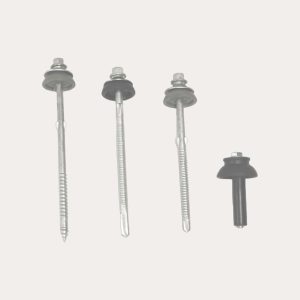
Whichever route you choose, order the full system. Sheets or panels are only one part of a weatherproof roof. You may also need matching ridge flashings, barge flashings, eaves fillers, foam closures, butyl tape, suitable stitchers, primary fixings, purlins and rooflights. Mixing incompatible components or improvising around junctions is where leaks, draughts and condensation tend to begin.
Building regulations and professional specification
Thermal performance requirements apply when creating or renovating thermal elements, and the target U-value will vary by project type and location. Planning conditions, fire performance, structural loading and ventilation provisions may also apply. A domestic extension, for example, should not be specified in the same way as a simple open-sided field shelter.
For anything beyond a straightforward unheated outbuilding, confirm the required build-up with Building Control, your designer or a competent roofing professional before ordering. This is especially relevant where insulation is being added to an existing roof, where the room below is newly heated, or where a roof includes multiple penetrations.
Accurate measurements matter as much as the insulation choice. Check roof slope length, sheet direction, ridge arrangement, overhangs and every opening before placing an order. Allow for flashings and closures from the outset rather than trying to source them after the sheets arrive.
A well-specified roof should feel uncomplicated once it is installed: dry inside, warm where it needs to be, and able to withstand British weather year after year. If you are weighing up a cold or warm build-up for sheets, composite panels or a refurbishment, Roof Sheets Online can help you match the roof materials and supporting components to the job before delivery is booked.