A stable roof is rarely decided by the sheet alone. The building use, supporting structure, pitch, ventilation and finish all matter. But for many garages, workshops, stables, farm buildings and outbuildings, the first material question is fibre cement versus steel. Both are proven roofing options, yet they handle moisture, heat, weight and day-to-day wear very differently.
Steel sheets are sleek, strong and quick to fit, making them a familiar choice for modern agricultural, commercial and domestic projects. Fibre cement offers a quieter, more naturally breathable alternative that is particularly well suited to livestock and condensation-sensitive buildings. The right answer comes down to what the roof needs to do once it is installed.
Fibre cement versus steel roof sheets at a glance
Steel roofing is usually the lighter option. That can reduce the demand on the structure below and make handling simpler, particularly on a small garage, shed or workshop. It is available in popular profiles such as corrugated and box profile, with coated finishes that provide a clean, durable appearance. With the correct flashings, stitching screws and sealing details, it creates a smart, weatherproof roof quickly.
Fibre cement sheets are heavier and need suitable purlin spacing and safe handling. In return, they offer strong resistance to moisture, corrosion and temperature change. Unlike bare single-skin steel, fibre cement does not readily form condensation on its underside. That makes a significant difference in buildings where damp air is expected, including stables, livestock housing, agricultural stores and unheated workshops.
Neither material is automatically better. A steel roof may be the best value for a dry, well-ventilated shed. Fibre cement may be the more sensible long-term choice where dripping condensation would damage stored goods, create an unpleasant working environment or affect animal welfare.
Condensation: the deciding factor for many roofs
Condensation happens when warm, moisture-laden air meets a cold roof surface. Single-skin metal sheets can cool quickly overnight, especially during autumn and winter. Water droplets then form beneath the sheet and can drip onto tools, machinery, feed, timber or livestock below.
That does not rule steel out. It means the roof specification must address condensation properly. Anti-condensation fleece-backed steel sheets can hold moisture until conditions allow it to evaporate, while insulation, vapour control layers and planned ventilation all help. For a heated workshop or a building that will be lined internally, a properly designed insulated roof system is often a stronger solution than relying on a single sheet alone.
Fibre cement manages this issue differently. Its composition can absorb and release small amounts of moisture, reducing the likelihood of visible condensation dripping into the building. It is not a replacement for good ventilation, particularly in a stable or busy agricultural building, but it gives the roof a useful natural advantage.
If the project is an open-sided shelter, hay store or basic machinery cover, the condensation risk may be lower. If it is a stable, poultry unit, workshop or store for valuable equipment, make moisture control a major part of the decision rather than an afterthought.
Strength, weight and the supporting structure
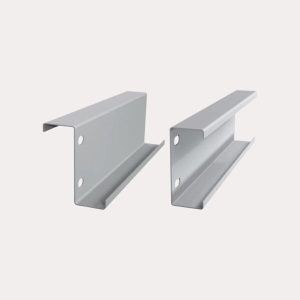
Steel sheets have an excellent strength-to-weight ratio. They are well suited to larger roof areas and can be installed over appropriately spaced timber or steel purlins. The sheet gauge, profile depth and purlin centres must be selected for the span, wind exposure and expected loading. A thin sheet fitted over wide purlin gaps is a false economy, no matter how attractive the initial price looks.
Fibre cement is more substantial, and its support structure must reflect that. Correct purlin positions, proper fixings and adequate end laps are essential to prevent cracking or unnecessary movement. The material is strong in service but should be handled carefully during loading, cutting and installation. It is not the sheet to drag across a roof or overtighten at the fixing points.
For an existing building, check the frame before ordering. A lightweight steel roof may suit a structure that cannot reasonably take the additional load of fibre cement. Conversely, an older agricultural frame may already be designed around fibre cement dimensions and support centres, making like-for-like replacement more straightforward.
Appearance, noise and everyday use
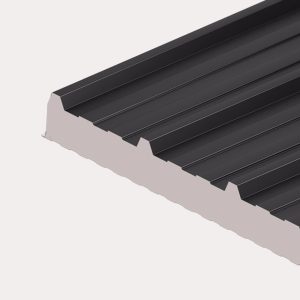
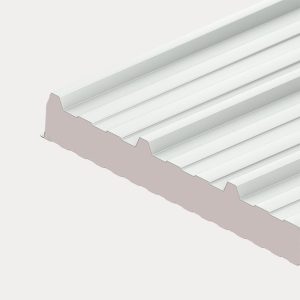
Steel offers more choice where appearance is a priority. Coated box profile and corrugated sheets are available in a range of colours and can give a garage, garden room, workshop or extension a sharp, consistent finish. Matching ridge pieces, barge flashings, drip flashings and fillers complete the job properly and help keep weather out at vulnerable edges.
Rainfall is more noticeable on steel, especially on an uninsulated roof. Some customers enjoy the sound, but it can be a nuisance in a workshop, stable office or building used regularly. Insulation and internal linings can reduce the effect, but they add cost and installation stages.
Fibre cement has a more muted, practical appearance. It is often chosen for farm and rural buildings where performance matters more than colour matching. It is quieter in heavy rain and has a less industrial feel from inside the building. For projects in exposed countryside locations, that can be a genuine benefit rather than a minor detail.
Corrosion, maintenance and service life
Quality coated steel is built for demanding UK weather, but the coating needs looking after. Cut edges, deep scratches and poorly made penetrations are potential weak points. Use compatible fixings with sealing washers, avoid cutting sheets with abrasive discs that can damage the protective coating, and clear trapped debris from gutters and laps. Salt-laden coastal air and chemically aggressive environments, such as some livestock buildings, deserve particular care when choosing the coating and material specification.
Fibre cement does not rust, which is a clear advantage in wet or corrosive settings. It also stands up well to rot and insect damage. Its main maintenance need is periodic checking for cracked sheets, loose fixings, blocked gutters and deteriorated flashings. As with any roof, water usually enters at junctions, laps and penetrations before it enters through the main sheet area.
Modern fibre cement roofing sheets are asbestos-free. If you are repairing or replacing an older fibre cement roof and are unsure of its age or composition, do not cut, drill or disturb it until it has been assessed. Older asbestos cement requires specialist, legally compliant handling and disposal.
Cost: look beyond the sheet price
Steel often wins on initial material cost and installation speed, particularly for simple outbuildings. Its lower weight can also reduce handling time and make it easier to work with on smaller sites. However, the lowest-cost steel sheet may need additional investment in anti-condensation backing, insulation, ventilation components or a lining system depending on the building use.
Fibre cement can cost more to transport, handle and fit because it is heavier. Yet the reduced condensation risk can save money and frustration over the life of a stable, farm store or unheated workshop. Replacing rusted tools, damp feed or water-damaged timber is not a saving.
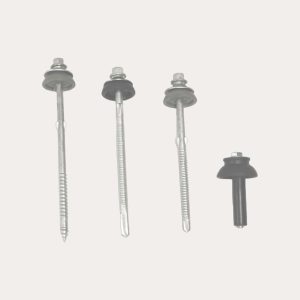
Price the complete roof build, not just the square metre rate. Include sheets, purlins where needed, fixings, ridge sections, flashings, fillers, sealants, gutters and rooflights. Missing accessories delay work and can leave a roof exposed while the right parts are sourced.
Choosing the right material for your project
Steel is often the practical choice for a dry storage shed, garage, garden workshop, commercial unit or modern outbuilding where a lightweight, colour-finished roof is wanted. It also works well when the design includes insulation or anti-condensation measures from the start.
Fibre cement is particularly effective for agricultural roofs, stables, livestock accommodation, machinery stores and unheated buildings where condensation control, quietness and corrosion resistance take priority. It is also a strong option where the existing roof structure is already designed to support it.
Before ordering, confirm your roof pitch, slope length, sheet direction, purlin centres and the details around ridges, verges, eaves and openings. A roof sheet is only one part of a weatherproof system. Roof Sheets Online can help you match the material, profile and supporting accessories to the job, so you can order with confidence and get the roof finished properly.