A rooflight has to do more than brighten a building. It must suit the roof profile, withstand the weather, control glare where needed and fit correctly alongside the surrounding sheets. When weighing up GRP versus polycarbonate rooflights, the right answer depends less on which material is ‘best’ and more on the roof system, the building’s use and the level of performance expected.
For a steel-clad workshop, agricultural unit or commercial refurbishment, a profiled GRP rooflight is often the straightforward choice. For a lean-to, canopy, veranda or glazing-style roof where clarity and impact resistance matter, polycarbonate can be the better fit. The detail makes the difference.
GRP versus polycarbonate rooflights: the key difference
GRP stands for glass-reinforced plastic. In rooflights, it is normally a translucent fibreglass sheet made from polyester resin reinforced with glass fibres. It is widely supplied in profiles designed to match corrugated and box-profile metal roofing sheets, making it a practical option for introducing daylight into a sheeted roof.
Polycarbonate is a clear or tinted thermoplastic. It is available as solid sheet, multiwall sheet and, in some ranges, profiled sheet. It is known for high impact resistance and a cleaner, more glazing-like appearance than standard translucent GRP.
That difference in format is crucial. A single-skin profiled GRP rooflight is not always a like-for-like alternative to a multiwall polycarbonate sheet. One is commonly part of a metal roof build-up; the other may be part of a purpose-designed glazing system. Before comparing prices, make sure the proposed rooflight works with the existing or planned sheets, support centres, flashings and fixings.
Why GRP rooflights remain popular on sheeted roofs
GRP rooflights are a familiar sight on warehouses, farm buildings, workshops, stables and industrial units for good reason. They are available in common sheet profiles, so a rooflight can sit in line with adjoining steel sheets rather than needing a separate glazing bar system. This keeps the roof layout neat and makes ordering more straightforward.
The light they provide is usually diffused rather than crystal clear. That is a benefit in many working buildings. Diffused daylight spreads more evenly across the space and can reduce the hard shadows and glare caused by direct sunlight. In a workshop or livestock building, that often creates a more useful day-to-day environment than a completely transparent panel.
GRP is also comparatively economical for larger roof areas. If the aim is to reduce reliance on artificial lighting across a long run of box-profile or corrugated roofing, inserting correctly matched rooflight sheets can be a cost-effective solution.
There are trade-offs. Standard single-skin GRP does not provide high thermal insulation, and its light transmission can reduce gradually as the sheet ages. Surface dirt, weathering and the natural ageing of the resin can make an older rooflight appear more opaque. Quality, thickness, protective finishes, roof pitch and local exposure all affect service life, so it pays to choose a specification suited to the building rather than selecting on price alone.
Where polycarbonate rooflights come into their own
Polycarbonate is particularly useful where visibility, impact resistance or a lighter glazing appearance is the priority. Clear polycarbonate allows a sharper view through the sheet than typical GRP, making it well suited to canopies, covered walkways, lean-tos, porch roofs and garden structures.
It is highly resistant to impact, which can be valuable in exposed locations or areas where accidental knocks are more likely. Polycarbonate is not indestructible, however. It can scratch more easily than glass, and an unprotected or poorly specified sheet can discolour over time. For external use, choose material with an appropriate UV-protective layer and install it the correct way up.
Multiwall polycarbonate deserves separate consideration. Its internal chambers can improve insulation compared with a single-skin sheet, while still admitting good levels of daylight. This can make it a sensible option for an enclosed lean-to, a covered entrance or a project where heat loss matters. The edges must be sealed properly with the correct tapes and closures to prevent moisture, algae and insects entering the flutes.
Polycarbonate also expands and contracts noticeably with temperature changes. Allowance for thermal movement is not optional. Fixings should be positioned and tightened in line with the manufacturer’s guidance, with suitable washers and oversized holes where specified. Overtightening a sheet may lead to stress around the fixings, noise in changing temperatures or premature failure.
Light, strength and insulation compared
Both materials can bring valuable natural light into a building, but they deliver it differently. GRP generally gives softer, diffused illumination. Polycarbonate, particularly clear solid sheet, gives brighter and more direct light. A south-facing clear rooflight may make a small room feel bright, but it can also increase glare and solar heat gain during warmer months.
For impact performance, polycarbonate usually has the advantage. For an in-plane rooflight that needs to match a steel sheet profile and cover a broad commercial or agricultural roof, GRP is often the more practical product.
Thermal performance depends on the whole roof build-up, not the word printed on the sheet. A single-skin GRP rooflight and a solid single-skin polycarbonate sheet will both offer limited insulation compared with an insulated roof panel. Multi-skin GRP rooflights and multiwall polycarbonate can improve thermal values, but the stated U-value should be checked for the complete installed system.
If condensation is a concern, insulation, ventilation and internal humidity must be considered together. Adding a rooflight does not solve condensation on its own. In a stable, workshop or agricultural building, the right anti-condensation treatment, ventilation route and roof build-up are often just as important as the rooflight material.
Which rooflight should you choose?
Choose based on the job in hand rather than appearance alone.
- For a box-profile, corrugated or fibre-cement roof requiring an in-line daylight sheet, a profile-matched GRP rooflight is usually the sensible starting point.
- For a canopy, veranda, lean-to or covered walkway where transparency is wanted, polycarbonate is often the stronger choice.
- For an enclosed space where thermal performance matters, compare multiwall polycarbonate with insulated or multi-skin rooflight systems rather than standard single-skin options.
- For agricultural and commercial roofs, prioritise the correct profile, sheet length, load requirements, fire classification and compatibility with the rest of the roof system.
Do not assume a rooflight is suitable for foot traffic or maintenance access. Rooflights can present a serious fall risk, and non-fragility performance depends on the product, support arrangement, fixings, installation quality and the complete roof assembly. Always follow the relevant safety guidance and use suitable access measures when working at height.
Getting the specification and installation right
A rooflight should match the profile and cover width of the adjacent sheets exactly. A sheet described simply as ‘corrugated’ may not be enough, as corrugated profiles vary. Check the profile dimensions, sheet direction, overlap detail and required lap allowance before placing an order.
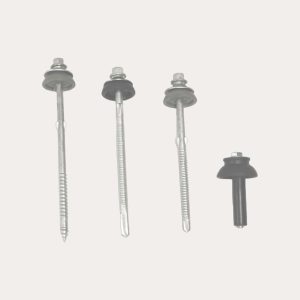
Use compatible fixings with weatherproof washers, and follow the recommended fixing pattern. GRP rooflights may require more careful fixing than steel sheets to prevent wind lift and avoid cracking. For polycarbonate, allow for expansion and use the correct closure pieces, tapes and edge trims where applicable.
Flashing details matter too. A rooflight that is correctly fitted but poorly integrated at the ridge, eaves or side lap can still allow water ingress. Ordering roof sheets, rooflights, flashings, fillers, fixings and sealing materials together helps avoid mismatched components arriving partway through the job.
If you are replacing old rooflights, measure the existing profile rather than relying on a rough description or photograph. For a new roof, confirm the proposed purlin spacing and roof pitch before choosing the sheet thickness and rooflight type. These small checks can save considerable time, waste and disruption once installation begins.
Roof Sheets Online can help customers identify the right profile and supporting components before ordering. A quick conversation at the specification stage is far easier than trying to correct an unsuitable rooflight after it reaches site.
The best rooflight is the one that matches the roof, gives the building the right quality of daylight and can be fitted with confidence. Take a few minutes to check the profile, performance requirement and full installation detail, then your rooflight will do its job properly for years to come.