


A leaking fixing line, lifting flashing or failed lap joint can turn an otherwise sound roof into a recurring maintenance job. The right roof sealants help close those vulnerable details and protect a roof from driven rain, standing water and wind-borne debris. The wrong product, however, may fail to bond, crack with movement or react badly with the roofing material.
For metal sheet roofing, fibre cement sheets, flat roofing details and cladding junctions, the aim is not simply to apply more mastic. It is to use a compatible, weatherproof product in the correct place, on a clean and properly supported surface.
Roof sealant is used to weatherproof small gaps, joints and penetrations where a roofing system needs an additional watertight barrier. Typical examples include flashings around walls and chimneys, overlaps at roof sheet laps, screw penetrations, ridge and verge details, rooflight junctions, gutters and repair patches.
A good sealant needs to cope with the conditions found on a British roof: UV exposure, frost, heat, rain and movement in the roof structure. Metal sheets expand and contract as temperatures change, while timber purlins and roof framing can move slightly over time. A product that cures hard and has little flexibility may soon split away from one side of the joint.
Sealant is not a substitute for correct roof falls, properly lapped sheets, sound fixings or correctly fitted flashings. If water is tracking beneath a sheet because the lap direction is wrong or a fixing has pulled through, that underlying issue needs putting right first. Sealant should support a well-installed detail, not hide a fault that will worsen underneath.
The best choice depends on the roof material, the size of the gap, whether the area moves, and whether the sealant will be exposed to standing water. Product labels and technical data should always be checked for compatibility with the substrate and coating.
Butyl is a practical choice for many metal roofing and cladding joints. It remains flexible, adheres well to clean surfaces and is particularly useful beneath overlaps, flashings and rooflights where it is compressed between two components.
For profiled steel sheets, butyl tape is often a neater and more reliable option than applying a thick bead of sealant. It can be laid in a continuous line along the lap before the sheets are fixed together, giving an even seal with less mess. Choose the tape width and thickness to suit the profile and detail, and avoid stretching it as it is applied.
Butyl products are generally designed for compressed joints rather than open, wide gaps. They should be protected by the roofing components, not relied on as an exposed repair over a large damaged area.
Silicone is widely available and can be useful for certain small weatherproofing jobs, but it is not a universal roofing answer. Standard sanitary silicone, for example, is intended for kitchens and bathrooms rather than exterior roof detailing.
Where silicone is specified for external use, select a neutral-cure, weather-resistant product suitable for the relevant roofing material. Some silicones can have poor adhesion to coated steel, dusty surfaces or bituminous materials, while others may make future repairs difficult because new products do not bond well to cured silicone residue.
Polyurethane and hybrid polymer sealants are often selected for exposed joints and repair work because they offer strong adhesion and flexibility. Many are suitable for metal, masonry, timber, uPVC and a range of roofing membranes, making them useful around flashings, upstands and mixed-material junctions.
These products can be a good option where movement is expected, but the surface must still be clean, dry and stable. Check whether a primer is required, particularly on porous masonry or difficult substrates. If the joint is deep, a backing rod may be needed so the sealant can flex properly rather than being packed solid into the void.
Bitumen products are commonly used on felt roofs, valleys and certain flat roof repairs. They can provide a fast weatherproof coating or patch where the existing roof covering is compatible. They are not usually the best choice for sealing coated metal roof sheets, and some products should not be applied to wet surfaces unless the manufacturer specifically allows it.
Bitumen can soften in high temperatures and may not suit every roof membrane. Match the repair compound to the roof covering instead of assuming that black roofing mastic will adhere to anything.
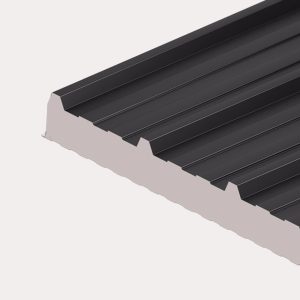
On a sheet roof, water management starts with the sheet profile, roof pitch and lap arrangement. Sealant is then used at the details most exposed to water ingress.
End laps on low-pitch metal roofs often need butyl tape or a compatible sealant between the overlapping sheets. Side laps may also require sealing depending on the sheet profile, roof pitch and the manufacturer’s fitting guidance. Rooflights need particular care because they join different materials and are often positioned where water flow is concentrated.
Flashings are another key area. Apron flashings, side flashings, ridge flashings and barge details should direct water away from the joint. A narrow, continuous seal where the flashing meets the wall or roof sheet can prevent wind-driven rain from getting behind it. Do not block designed drainage paths with sealant, particularly at gutters, valleys or profiled sheet ends.
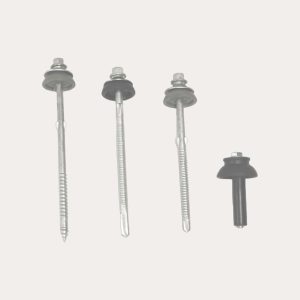
Fixings should normally be sealed by the washer supplied with the roofing screw, not by a blob of mastic around the screw head. If a fixing washer has perished, the fixing is loose, or the hole has become oversized, replace or reposition the fixing where possible. That gives a longer-lasting repair than trying to bridge the problem with sealant alone.
Even premium roof sealants will struggle on a surface covered in dust, algae, loose coating, old failed mastic or moisture. Preparation is often the difference between a repair that lasts through winter and one that peels away after a few weeks.
Start by removing loose material with a scraper or stiff brush. Clean away dirt, oil and residue using a suitable cleaner, then allow the area to dry fully unless the product is specifically formulated for damp application. On coated steel sheets, avoid aggressive abrasion that damages the protective finish. If rust is present, deal with it before sealing – a sealant bead cannot stop corrosion that is already spreading beneath the coating.
Old silicone deserves special attention. New sealant may not stick to it, even if the surface appears clean. Remove as much of the old material as possible and check the chosen product’s instructions before resealing.
Work on a dry day when temperatures are within the manufacturer’s recommended range. Cold surfaces, rain and condensation can affect adhesion and curing. Avoid applying sealant just before heavy rainfall if it needs time to skin over or cure.
Cut the nozzle to suit the joint width and apply a continuous, even bead. Gaps and thin spots are common causes of failure, especially around corners and changes of direction. Tool exposed sealant promptly to press it into the surface and create a smooth finish that sheds water rather than holding it.
For long sheet laps, use a consistent run of butyl tape or sealant without breaks. At joints between lengths, overlap the tape rather than butting the ends together. Once the components are fixed down, inspect the line for pinches, gaps and areas where the seal has been displaced.
Remember that more is not always better. An oversized bead can trap water, look untidy and take longer to cure. Apply enough material to fill and bond the joint, while allowing the roof detail to perform as designed.
The most frequent problem is using a general-purpose sealant because it is already in the van or garage. Roofing materials face greater movement and weather exposure than many internal jobs, so a product needs to be rated for external roofing use.
Another mistake is sealing over wet, dirty or unstable surfaces. A repair may appear watertight on the day, then detach once wind and temperature changes test the bond. Applying sealant to a roof that is structurally unsound, badly rusted or incorrectly fitted simply delays the proper repair.
It is also worth checking material compatibility before using any solvent-containing or bitumen-based product on rooflights, coated steel or plastic components. Some products can stain, soften or damage surfaces. When in doubt, test a discreet area or ask for technical guidance before starting work.
A dependable roof is built from components that work together: correctly specified sheets, suitable fixings, purlins, flashings, closures, tapes and sealants. If a joint keeps failing, look beyond the bead of sealant. The roof pitch may be too low for the lap arrangement, the flashing may be too short, or the wrong fixing could be allowing movement.
For repairs and new builds alike, Roof Sheets Online can help you match practical accessories to your chosen roofing system. Getting the right sealant and the right detail in place before the weather turns is usually quicker, cleaner and far more cost-effective than chasing a leak after it reaches the building below.
Roof Sheets Online Ltd
UNIT C4
MACROME ROAD
Wolverhampton
WV6 9HD
Company No 15150940
Vat No. 4880 70856



