

A metal roof should be one of the lowest-maintenance parts of a shed, stable, workshop or commercial unit. When corrosion appears early, it is usually not because metal sheets are a poor choice. It is more often down to trapped moisture, incompatible materials, damaged coatings or small installation details that were missed. To prevent metal roof corrosion, specify the right sheet and finish for the building, then fit and maintain every component as a complete system.
A well-chosen, properly installed metal roof is sleek, strong and weather-resistant. The key is protecting the sheet coating and making sure water has a clear route off the roof rather than an opportunity to sit, creep under laps or collect around fixings.
Most steel roofing sheets are protected by a metallic coating, such as galvanised steel, plus a painted or plastic-coated finish. This gives the sheet strong resistance to normal British weather, but the protection is not indestructible. Once bare steel is exposed and repeatedly wetted, oxidation can begin.
Corrosion commonly starts at cut edges, drilled holes, scratches and areas where sheets remain damp. It can also develop beneath debris, under poorly sealed laps, or where a roof is regularly exposed to salt-laden air, industrial pollutants or animal housing conditions. Stables and agricultural buildings need particular care because ammonia-rich air and condensation can be hard on unsuitable materials.
The first signs may be minor staining around a fixing or a small patch at an edge. Do not ignore it. Surface corrosion is easier and less costly to deal with than pitting, perforation or a failing sheet that has allowed water into the roof build-up.
The best way to prevent metal roof corrosion is to match the material and coating to the building environment. A basic galvanised sheet can be a practical, economical option for some low-risk applications, but it will not offer the same long-term finish as a coated steel product in every setting.
Polyester-coated steel provides an attractive coloured finish and good general protection for many domestic and light commercial projects. Plastisol-coated steel has a thicker, tougher finish and is often selected where durability, abrasion resistance and a more substantial protective layer are required. The right choice depends on exposure, expected service life, appearance and budget.
For coastal properties, exposed hilltop sites, industrial locations, or buildings used for livestock, it is worth discussing the specification before ordering. A cheaper sheet can become false economy if the coating is not suitable for the conditions. The same applies to flashings, gutters, fixings and trims – they should be chosen to suit the roof sheets, not treated as afterthoughts.
Roof sheets do not work alone. Condensation can form on the underside of a cold metal roof when warm, moisture-laden air meets a colder surface. If that moisture is allowed to drip or remain against the sheet, it can contribute to corrosion from below, particularly around laps and penetrations.
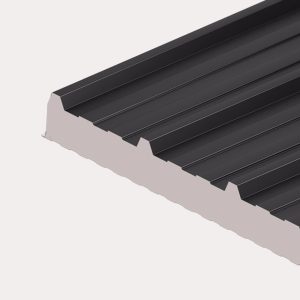
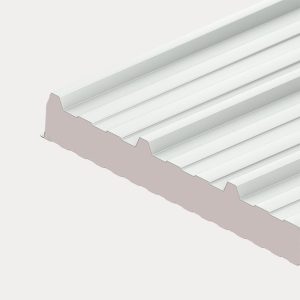
For buildings where condensation is likely, consider an anti-condensation backing, suitable insulation or a properly designed insulated panel system. Ventilation is also part of the answer. The exact solution depends on how the building is used: a dry garden workshop needs a different approach from a busy stable, food store or heated commercial unit.
Even premium coated sheets can be compromised by careless handling. Store packs clear of the ground, on level bearers, and keep them dry and covered in a way that still allows airflow. Water trapped between tightly stacked sheets can cause staining and damage before the roof is even fitted.
When lifting sheets onto the roof, avoid dragging one sheet across another. Sharp edges and trapped grit can scratch the coating. Keep the work area clean and do not leave tools, offcuts or fixings on the roof where they may mark the surface or block drainage paths.
Cutting method matters too. Use tools suited to coated steel, such as a nibbler or shears where appropriate. Avoid abrasive cutting discs unless the sheet manufacturer specifically permits them. They create hot metal particles that can embed in the coating and later rust, leaving brown specks across an otherwise sound roof.
After cutting or drilling, remove all swarf immediately. Metal filings are small, but they are one of the most common and avoidable causes of localised staining on roof sheets. Check cut edges for coating damage and use a suitable touch-up product where recommended by the sheet manufacturer.
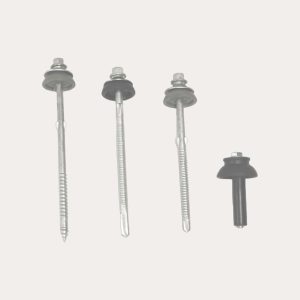
A roof is only as dependable as the components holding and sealing it. Use purpose-made roofing fixings with suitable sealing washers, sized for the sheet profile and the supporting timber or steel structure. Incorrect screws can overtighten, distort the sheet, split the washer or leave a route for water to reach the fixing hole.
Fixings should be driven square and firm, not forced until the washer bulges. A compressed but intact washer creates a weatherproof seal. A crushed or damaged washer may leak, while an under-driven fixing can work loose in wind.
Material compatibility is equally important. Some dissimilar metals can create galvanic corrosion when moisture is present. For example, placing certain copper components in direct contact with steel roofing can accelerate corrosion. Run-off from copper can also affect lower roof areas. Keep components compatible and use separation where the manufacturer advises it.
Flashings should cover vulnerable junctions cleanly, with adequate laps and correct closures. Foam fillers, butyl tape and sealants are not optional extras where the roof design calls for them. They help prevent wind-driven rain, dust and insects entering the profile gaps, while reducing the chance of water sitting in places it should not.
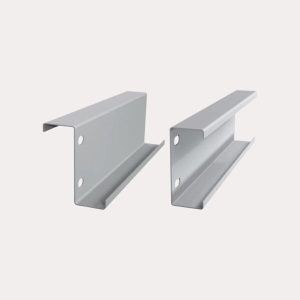
Water that runs off quickly is far less of a corrosion risk than water that sits. Check that the roof pitch is suitable for the chosen profile and that purlins or rafters are level and correctly spaced. A dip in the structure can create a ponding area, putting extra strain on the coating and increasing the chance of leakage at laps.
Fit gutters with a consistent fall, keep outlets clear and make sure downpipes can cope with the roof area. Overflowing gutters can keep eaves, fascia details and lower sheet edges wet for long periods. On agricultural and rural buildings, leaves, moss and nesting material can quickly become a drainage problem if maintenance is left too long.
Avoid allowing soil, wet vegetation or stored materials to sit against roof or wall cladding sheets. This holds moisture against the finish and can hide early damage. Where a roof meets another surface, make sure the flashing detail sends water away rather than creating a debris trap.
Metal roofing does not need constant attention, but a simple inspection once or twice a year is sensible, ideally after winter and after any severe weather. Look closely at eaves, valleys, rooflight junctions, penetrations, cut edges and areas beneath overhanging trees.
Clear leaves and dirt using a soft brush and clean water where needed. Do not use aggressive wire brushes, harsh solvents or pressure washing at close range, as these can damage coatings and drive water beneath laps or seals. If bird droppings or grime are allowed to build up, clean them off rather than letting them remain on the surface.
Check that fixings remain secure, washers have not perished, and flashings have not lifted. Replace damaged fixings with compatible roofing screws rather than using general-purpose alternatives. If you find a scratch that has reached the steel, clean and dry the area, then repair it with an approved touch-up system before rust becomes established.
A small isolated area of surface rust can often be addressed early. Widespread corrosion, softened or perforated steel, repeated leaks around deteriorated laps, or coating failure across a large area is different. At that stage, replacing affected sheets and correcting the underlying issue is normally more reliable than repeated patch repairs.
When replacing sheets, inspect the supporting structure as well. Rotten timber, distorted purlins, poor ventilation or failed gutters can shorten the life of a new roof if they are not put right at the same time.
The strongest defence against corrosion is a roof specified as one system: suitable coated sheets, correct fixings, matching flashings, effective seals, sound support and a plan for drainage and condensation. That approach avoids the common problem of buying good sheets but pairing them with unsuitable accessories or incomplete weathering details.
Roof Sheets Online supplies the sheets, flashings, fixings and supporting components needed to complete a weatherproof roof build, with practical guidance available when you need to check a detail. If the site is exposed, coastal, agricultural or prone to condensation, ask the question before ordering. A few minutes spent on the right specification can protect your roof for many years.
Roof Sheets Online Ltd
UNIT C4
MACROME ROAD
Wolverhampton
WV6 9HD
Company No 15150940
Vat No. 4880 70856



