A cracked sheet above a stable, workshop or agricultural store is not a repair to put off until the next dry spell. Water can track beneath overlaps, fixings can loosen around a break, and a small failure can quickly lead to damp insulation, damaged stock or rotten timber. When you need to replace damaged fibre cement roof sheets, the priority is to identify the sheet correctly, work safely and reinstate every overlap and fixing as intended.
Fibre cement remains a practical choice for many outbuildings and agricultural roofs. It is strong, non-combustible, resistant to corrosion and far quieter in heavy rain than metal sheeting. A well-fitted replacement should restore a weatherproof finish without forcing you into a complete re-roof – but only if the surrounding roof is still in sound condition.
Check the age before replacing damaged fibre cement
The first question is not which sheet to order. It is whether the existing roof could contain asbestos. Older corrugated cement sheets, particularly those installed before 2000, may contain asbestos fibres. They can look very similar to modern fibre cement and should never be identified by appearance alone.
If there is any uncertainty, arrange appropriate testing or advice before disturbing the roof. Do not drill, cut, snap, pressure wash or remove potentially asbestos-containing sheets yourself. Licensed and competent asbestos professionals can advise on the correct route for the material and the building. This is not an area for guesswork.
Modern fibre cement sheets are asbestos-free, but they still need careful handling. Sheets are heavy, brittle under point loads and can crack if lifted badly or overtightened. Plan the job for dry, still conditions, use proper roof access equipment and never work alone on a fragile roof.
Decide whether a single sheet replacement is enough
One broken sheet does not automatically mean the whole roof has failed. A local replacement is usually sensible where the damage came from an impact, a fallen branch or a slipped fixing, and the adjacent sheets, purlins and laps remain sound.
Look closely around the damaged area. Check for repeated cracking at fixing points, sagging sheets, soft or decayed timber purlins, corroded steelwork, failed ridge pieces and staining beneath overlaps. If several sheets are cracking in the same line, the issue may be inadequate support spacing, movement in the structure or incorrect fixings rather than the sheet itself. Replacing one panel without correcting the cause can simply delay the next failure.
It is also worth checking the roof pitch and drainage. Fibre cement performs well on suitable pitched roofs, but debris-filled gutters, blocked valleys and poorly formed flashings can hold water where it should be shedding freely. Deal with these defects while access is already in place.
Match the profile, length and thickness
The replacement must match the existing sheet profile. Corrugated fibre cement is produced in different wave patterns, widths and cover widths. A sheet that appears close enough on the ground may not line up with the side lap on the roof. Measure the wave pitch, sheet width, overall length and the position of fixing holes before ordering.
Length matters just as much. The sheet needs to reach from eaves to ridge, or meet the horizontal lap correctly where the roof uses more than one run. Ordering a sheet that is too short creates an unreliable lap. Cutting a modern sheet on site may be possible using the correct low-dust method and equipment, but ordering the right length is cleaner, quicker and gives the best finish.
Check the thickness too, particularly on agricultural and commercial roofs. A heavier-duty sheet may offer greater strength, but it must still suit the existing layout and support centres. If you are replacing several sheets, use one consistent specification rather than mixing incompatible profiles or thicknesses.
Remove the damaged sheet without disturbing the roof
Once you have confirmed that the roof is modern, asbestos-free fibre cement and it is safe to proceed, start by setting up safe access. Use suitable scaffolding, edge protection or a properly designed roof-access system. Do not stand directly on fibre cement sheets. Work from supported walkways or roof ladders positioned to spread the load onto structural supports.
Remove ridge or flashing sections only where necessary to release the damaged sheet. Keep every component organised, as a distorted or missing closure can create a leak later. Take photographs before dismantling if the overlap arrangement is not obvious.
Fixings should be removed carefully rather than levered out aggressively. Old bolts may be corroded, and excessive force can crack neighbouring sheets. If a fixing will not release, assess whether it can be cut or removed in a way that does not damage the purlin or enlarge the hole. Wear gloves, eye protection and suitable respiratory protection when dealing with dust from any modern cementitious product.
Lift the broken sheet away with assistance. Do not drag it over adjacent sheets or throw pieces to the ground. Even modern fibre cement can produce sharp edges when broken, and dragging can damage the protective weathered surface of nearby panels.
Fit the new fibre cement sheet correctly
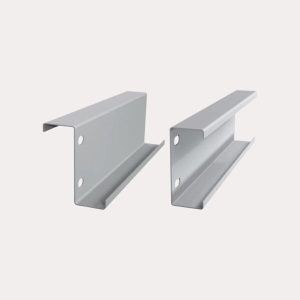
Before fitting, inspect the purlins. They must be level, adequately spaced and sound enough to take new fixings. Replace rotten timber, repair weakened steelwork and deal with any movement before the new sheet goes down. A premium replacement sheet cannot compensate for failing support beneath it.
Position the sheet so its side lap follows the direction of prevailing weather where possible. On a corrugated roof, this generally means arranging the overlap so wind-driven rain is less likely to be forced underneath. Match the existing roof pattern, including end laps and any sealing details already specified for the building.
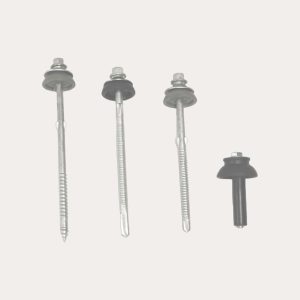
Use purpose-made fibre cement fixings with the correct washers and sealing caps where required. The fixing type depends on whether you are going into timber or steel purlins. Pre-drill holes with the appropriate clearance rather than forcing a screw through the sheet, as this reduces the risk of cracking. Fix through the specified crown of the corrugation and follow the sheet manufacturer’s fixing pattern.
Do not overtighten. The washer should seal against the sheet without crushing it. Overtightened bolts are a common cause of radial cracks around fixing holes, while loose fixings can allow wind movement and water ingress. The right tension is firm and weatherproof, not compressed.
Restore flashings, closures and roof details
A replacement sheet is only one part of a watertight roof system. Refit ridge pieces, apron flashings, barge flashings and foam closures where they were originally used. Check that rooflights, valleys and wall abutments remain correctly sealed. These junctions take the hardest weather and are often where leaks appear after an otherwise tidy repair.
If you need to replace damaged fibre cement around a rooflight or penetration, take extra care with the detailing. A sheet may need to be set out around the opening, and the flashing system must direct water onto the roof rather than beneath it. This is often a job where professional installation is the more economical choice once the risk of a recurring leak is considered.
Avoid the mistakes that shorten roof life
The most costly mistake is buying a replacement based only on a rough length measurement. Profile mismatch, incorrect cover width and unsuitable fixings can turn a straightforward repair into a return visit. Measure twice and confirm the product details before ordering.
Avoid mixing fixings from different roof systems simply because they appear to fit. The correct fixing, washer and support-specific thread are designed to keep the sheet secure while allowing for normal movement. Equally, do not use silicone as a substitute for proper laps, closures or flashings. Sealant can support a detail, but it is not a cure for poor sheet layout.
Finally, do not ignore condensation. If the underside of the roof is regularly wet, replacement sheets alone will not solve the problem. Review ventilation, insulation and the building’s use. Stables, workshops and unheated stores can generate a surprising amount of moisture, especially where warm air meets a cold roof surface.
Get the complete repair specification before you order
For a durable repair, plan for more than the visible sheet. You may need matching fixings, washers, ridge components, flashings, fillers or replacement purlins as well. Ordering these together prevents delays once the roof is open and helps ensure each part works as one weatherproof system.
At Roof Sheets Online, the team can help confirm suitable sheet profiles and the supporting components needed for your project. Have your measurements, photographs and details of the existing roof structure ready when you ask. A few minutes spent checking the specification can make the difference between a patch that lasts one winter and a roof repair that stays strong, secure and weather-resistant for years.