A roof sheet can be the right profile, gauge and finish, yet still fail early if the fixing is wrong. Timber roof fixing options need to match the sheet material, the timber beneath it and the job the roof has to do. A garden shed may only need a straightforward weatherproof fixing pattern. An agricultural building, workshop or insulated roof system needs a more considered specification that can handle wind load, thermal movement and years of British weather.
The aim is simple: secure the sheet without crushing it, create a dependable weather seal, and ensure every fixing reaches sound timber. Getting those details right prevents leaks, loose sheets and costly call-backs.
Timber roof fixing options for different sheets
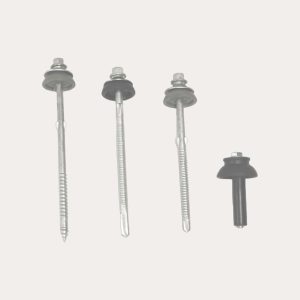
For most metal roofing sheets fixed to timber purlins, self-drilling roofing screws with bonded sealing washers are the standard choice. These screws are designed to drill through the steel outer skin and bite securely into timber in one operation. The washer, usually fitted with an EPDM seal, closes the hole around the screw head to keep rainwater out.
Choose screws with a corrosion-resistant coating and a head colour that matches the sheet where appearance matters. Colour-matched fixings give box profile, corrugated and tile-effect roofs a cleaner finished look, particularly on garages, workshops and domestic outbuildings where the roof is visible from ground level.
Fibre cement roofing uses different methods depending on the profile and supporting structure. Traditional options can include hook bolts, drive screws or purpose-made fixing bolts with sealing accessories. Fibre cement is durable but more brittle than steel, so fixing points must be prepared and tightened with care. Overtightening can damage the sheet around the hole, while insufficient fixing leaves it vulnerable in exposed conditions.
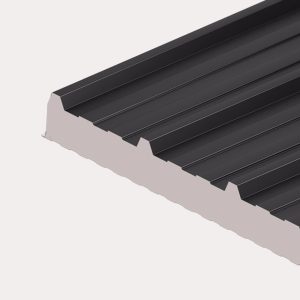
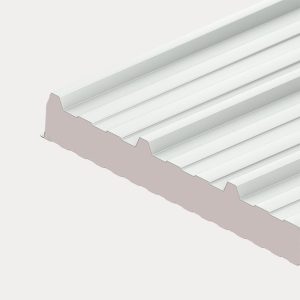
Insulated composite panels require longer, system-compatible fasteners. A fixing has to pass through the external sheet, insulation core and internal liner before achieving the required embedment into the timber support. This is not a place to estimate. The panel thickness, support depth and manufacturer’s fixing requirement determine the correct fastener length and quantity.
Self-drilling screws for metal sheets
Self-drilling timber screws are the practical all-round option for steel roof sheets. They reduce installation time, give a positive hold and work well with box profile, corrugated steel and many tile-effect systems. For a typical single-skin metal sheet, the screw must be long enough to pass through the sheet and gain a secure bite into the timber purlin without protruding excessively below.
The key choice is not simply the longest screw available. Too short, and it will not hold properly in the timber. Too long, and it can leave unnecessary sharp points beneath the roof. The sheet profile also affects fixing position. Box profile sheets are commonly fixed through the crown, while some corrugated products have their own recommended fixing arrangement. Always follow the guidance for the sheet you are fitting.
Fixings for fibre cement roofs
Fibre cement sheets are popular on agricultural buildings, stables and storage roofs because they offer a traditional appearance and good resistance to condensation. Their fixing systems need to allow for the sheet’s character and profile. Suitable bolts, screws or hooks should be paired with the correct sealing caps and washers where specified.
Pre-drilled holes are often larger than the fixing shank to allow a small amount of movement. This matters because sheets expand and contract slightly through seasonal temperature changes. A fixing clamped too tightly can restrict that movement and place stress on the sheet. Fit it firmly enough to seal and secure the roof, but never force the material down onto the purlin.
Long fasteners for insulated panels
Insulated roof panels are precision-made systems, and their fixing details matter as much as their thermal performance. The correct fastener needs the right thread type for timber, the right length for the panel thickness, and a washer arrangement approved for the panel system.
A short fastener may look secure at first but lack the pull-out resistance needed in high winds. An unsuitable washer can compromise the weather seal or mark the outer skin. For Kingspan QuadCore and similar insulated systems, specify fixings around the panel manufacturer’s requirements rather than mixing in general-purpose roofing screws.
Selecting the right screw length and washer
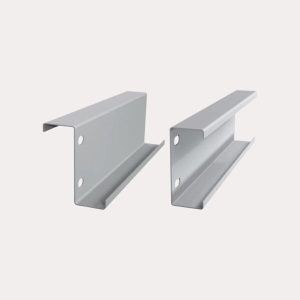
A good fixing specification starts with the full build-up, not just the visible roof sheet. Measure the sheet or panel thickness, then account for washers, packers where used, and the timber embedment required for a dependable hold. Timber purlins must be structurally sound, dry enough to hold a thread properly and wide enough to receive the fixing without splitting at the edge.
The bonded washer deserves equal attention. It is the small component doing the vital weatherproofing work around each penetration. EPDM washers are widely used because they remain flexible and resist weathering. They should sit evenly against the sheet, compressed enough to form a seal but not squeezed until they bulge out from beneath the washer.
If the washer is visibly distorted, the screw has probably been overtightened. If it is loose or the sheet can move around the fixing, it is too slack. A screw gun with an adjustable clutch helps maintain a consistent finish, particularly on larger roof areas.
Fixing position, spacing and roof loads
The number and position of fixings are determined by the sheet profile, purlin spacing, building location and roof exposure. Edge zones, eaves and ridge areas are often subject to greater wind uplift than the centre of the roof. These areas usually need a closer fixing pattern than the main field of the sheet.
Do not assume one fixing layout suits every job. A sheltered garden shed in the Midlands and an exposed stable roof on a hill in Scotland can have very different loading demands. Longer sheets, wider purlin centres and coastal or high-wind locations all call for more careful specification.
Fix sheets square to the roof and keep laps consistent from the first sheet onwards. A fixing pattern cannot correct a sheet that has been pulled out of line. At side laps and end laps, use the recommended stitching screws or lap fasteners where required. These are different from the main structural fixings into timber and should not be used as a substitute for them.
Avoid the fitting mistakes that cause leaks
Most fixing problems are avoidable. The following issues are worth checking before the roof is finished:
- Using metal-to-metal or stitch screws as the main fixing into timber.
- Driving screws at an angle, which prevents the washer sealing evenly.
- Overtightening fasteners and crushing a steel profile or fibre cement sheet.
- Fixing into rotten, undersized or poorly positioned timber purlins.
- Ignoring the required fixing density at roof edges, laps and exposed elevations.
- Mixing incompatible fasteners, washers and insulated panel systems.
It is also worth checking every fixing after the first few sheets are installed. This is the easiest point to catch an incorrect screw length, poor washer compression or a purlin layout that does not align with the sheet fixing points. Correcting it then is far quicker than revisiting an entire roof once flashings and ridge pieces are in place.
Build the roof as a complete system
Fixings work alongside the rest of the roof build. Correct purlin centres support the sheet properly, fillers close profile gaps at ridges and eaves, and flashings direct water away from vulnerable edges. On insulated roofs, tapes, sealants and closures are particularly important for maintaining weather resistance and controlling air leakage.
This is why buying sheets without the matching accessories can create delays once fitting starts. Roof Sheets Online can help customers specify the sheet, flashings, purlins and compatible fixings together, so the materials arriving on site are suited to the same roof system.
Before placing an order, confirm the roof sheet type, thickness, timber support size, purlin spacing and site exposure. With those details in hand, choosing the right fixing becomes straightforward – and the finished roof has the secure, weatherproof performance it was built for.