A farm building is rarely just a building. It may shelter livestock, protect feed, store machinery or keep a workshop operational through winter. That is why choosing top farm building cladding is about more than appearance. The right sheet material, profile, coating and accessory package can reduce maintenance, manage condensation and keep the structure weatherproof for years.
British farms ask a lot of their buildings. Driving rain, high winds, ammonia-rich air, knocks from machinery and constant temperature changes all put cladding under pressure. A low upfront price can soon lose its appeal if sheets corrode early, fixings fail or water finds its way around poorly finished edges. Getting the specification right from the outset saves disruption later.
What makes top farm building cladding?
The best cladding for an agricultural building matches the job at hand. A machinery store has different requirements from a calf shed, grain store or insulated workshop. Start with the environment inside the building, the exposure of the site and whether the cladding is being fitted to a new frame or used to refurbish an existing structure.
For most general agricultural applications, profiled steel wall sheets remain a practical choice. They are sleek, strong and quick to install across large elevations. A coated steel sheet offers a clean finish and dependable weather protection, while the profile gives the sheet the stiffness needed to span between rails.
However, steel is not the answer to every farm project. Fibre cement can be a strong contender where condensation control and corrosion resistance are priorities. Insulated composite panels are often the right call for buildings that need a more stable internal temperature, such as workshops, packing areas or livestock accommodation where moisture management matters.
The important point is to specify a complete cladding system, not simply buy sheets by the square metre. Correct fixings, flashings, fillers, closures and trims are what turn good sheets into a weatherproof building envelope.
Choose the cladding material for the job
Coated steel cladding for general farm use
Box profile and corrugated steel sheets are widely used on barns, sheds, stables, workshops and machinery stores. They provide a hard-wearing external skin without adding unnecessary weight to the frame. Box profile has a more contemporary, linear appearance and is popular on agricultural buildings where a neat, professional finish is wanted. Corrugated sheets suit traditional farm settings and offer proven strength with a familiar look.
The coating is a major part of the decision. Polyester-coated steel is a cost-effective option for many standard buildings, particularly where exposure is moderate. Plastisol-coated steel has a thicker, tougher finish and is generally better suited to demanding sites and structures expected to take regular wear.
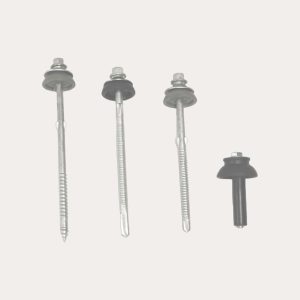
Steel cladding is fast to fit, but it needs careful detailing. Use the right colour-matched screws with sealing washers, allow for correct side and end laps, and fit flashings at corners, verges and openings. A sheet can be premium quality, but poor fixing practice can still lead to leaks and rattling in strong winds.
Fibre cement for naturally better moisture control
Fibre cement sheets are well suited to livestock buildings, open-sided shelters and agricultural applications where condensation can become a nuisance. Unlike metal, fibre cement does not create the same cold internal surface, helping to limit dripping caused by warm, moist air meeting a chilled roof or wall lining.
It also performs well in corrosive environments. In buildings with livestock, manure, slurry or high humidity, the atmosphere can be tough on coated metal over time. Fibre cement provides a durable, non-combustible alternative with a more muted, traditional agricultural appearance.
There are trade-offs. Fibre cement is heavier than steel, so the supporting structure must be suitable. It also requires sensible handling and accurate fixing to avoid damage during installation. For the right application, though, its long-term performance can justify the extra consideration.
Insulated panels where the building has to work harder
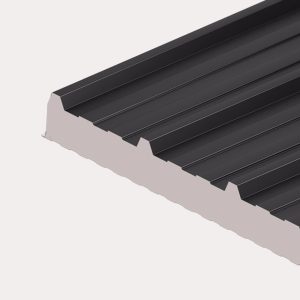
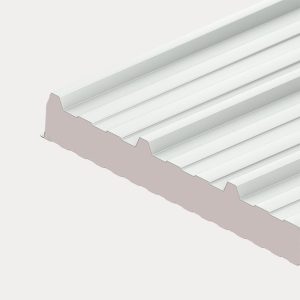
If the building is used every day and needs to stay warmer, drier or more comfortable, insulated cladding panels can be a worthwhile upgrade. These precision-made systems combine external and internal steel faces around an insulated core, creating a finished wall with fewer layers to install.
They are particularly useful for farm offices, workshops, produce rooms, equestrian buildings and conversions where basic single-skin sheeting would leave the interior cold and prone to condensation. Insulated panels cost more than standard cladding, but they can reduce heat loss and provide a far smarter internal finish.
Do not assume that every agricultural building needs insulation. An open machinery store or simple field shelter may gain little from it. On the other hand, trying to use uninsulated sheets for a heated workshop can create a false economy. Consider how the building will be used in January, not just how it looks on fitting day.
Profile, gauge and coating all matter
Farm cladding needs to be strong enough for the span and exposure. Sheet profile affects rigidity, water run-off and visual finish. Deeper profiles can offer greater spanning capability, while shallow box profiles may need rails at closer centres. Always work from the sheet manufacturer’s span guidance and the design of the supporting steelwork or timber frame.
Material thickness also matters. A thinner sheet may suit a sheltered domestic outbuilding, but exposed agricultural elevations, long sheet lengths and busy working areas can benefit from a heavier gauge. The building’s location should influence the specification too. A windswept hilltop, coastal site or open yard deserves more attention to fixing centres, laps and edge detailing than a sheltered site behind established buildings.
Colour is not only a visual choice. Darker shades can show dust, scratches and fading more readily over time, while lighter colours can help brighten the inside of open buildings. Practical colours such as juniper green, goosewing grey and slate blue often sit comfortably within farm surroundings, but availability will vary by profile and coating.
Do not overlook ventilation and condensation
Many cladding problems are actually ventilation problems. Condensation forms when warm, moisture-laden air meets a colder surface. In a farm building, that moisture can come from livestock, wet vehicles, stored crops, wash-down routines or simply the weather.
For uninsulated steel buildings, anti-condensation fleece can be applied to the underside of roof sheets. This felt-like layer absorbs moisture as it forms and releases it gradually when conditions improve. It is a practical option for sheds and stores, but it is not a substitute for good airflow.
Ridge ventilation, louvres, open eaves and appropriately placed openings all help move humid air out of the building. For livestock housing, the aim is fresh air without creating uncomfortable draughts at animal level. That balance depends on building orientation, stocking levels and the local site conditions, so it is worth taking advice before ordering.
Finish the job with the right accessories
A cladding order should include the parts that protect the weak points. External corners, internal corners, verge trims, drip flashings, eaves closures and foam fillers all have a specific role. Leaving them out may reduce the initial basket value, but it can leave the building exposed to wind-driven rain, birds and pests.
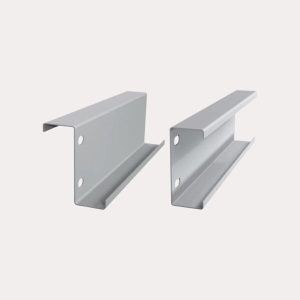
Fixings deserve the same attention. Use stitching screws for sheet-to-sheet laps where required and structural fixings suited to the substrate, whether that is steel purlins or timber rails. Fastener length must allow for the sheet, any insulation or spacer system, and adequate penetration into the support.
When refurbishing an old barn, check the existing frame before selecting new cladding. Corroded rails, uneven timbers and failed purlins should be addressed before fitting fresh sheets. New cladding over a weak structure only hides the problem temporarily.
Ordering farm cladding with fewer delays
Measure each elevation carefully, including openings for doors, windows and ventilation. Confirm the direction of sheet laying, required sheet lengths and whether flashings need to be made to suit a particular detail. It is usually better to order a little extra for sensible laps, cuts and future repairs than find the job held up by a missing trim.
For projects with several components, buying sheets, flashings, fixings, purlins and rooflights from one specialist supplier keeps the specification consistent. At Roof Sheets Online, the focus is on supplying the complete build-up, with practical technical support available when the detail is less straightforward.
A good farm building should be easy to work in and economical to maintain. Choose cladding for the environment it will face, finish every edge properly, and give the building the ventilation it needs. That approach delivers protection you can rely on long after the installation team has left the yard.