A roof can look sound from the ground while water is finding its way in at the weakest details. Flashings seal the vulnerable junctions around chimneys, walls, valleys, rooflights and changes in roof level. Knowing when to replace roof flashings can prevent a small stain or drip becoming rotten timbers, damaged insulation and an expensive roof repair.
Flashings are not a decorative finishing touch. They are a working weatherproofing component, directing rainwater away from openings and joints that roof sheets, tiles or slates cannot seal on their own. If they are loose, split, corroded or incorrectly fitted, the rest of the roof system has to work much harder.
What do roof flashings do?
Roof flashings bridge gaps where two surfaces meet. On a sheeted roof, that may include ridge flashings, barge flashings, apron flashings against a wall, side flashings, valley details and closures around penetrations. On a tiled or slated roof, lead flashing around a chimney or abutment is particularly common.
A correctly specified flashing should suit the roof profile, pitch and covering material. It needs adequate overlap, secure fixings and properly formed laps so water sheds away rather than being driven beneath the roof covering by wind. This is why replacing a damaged flashing with a general-purpose strip or excess sealant is rarely a lasting answer.
The clear signs it is time for replacement
The age of a flashing matters, but condition matters more. A well-installed, compatible component may give many years of service. A poorly detailed flashing can fail early, especially on exposed sites or roofs carrying rainwater, debris and condensation regularly.
Water marks or recurring leaks indoors
Brown staining on ceilings, damp insulation, mould on rafters or a drip after wind-driven rain all warrant investigation. The leak may not sit directly below the failed flashing, as water can run along battens, purlins or roof sheets before it becomes visible.
Check the roof during dry weather first, then inspect again after heavy rain if it is safe to do so. Pay close attention to chimney edges, wall abutments, rooflight upstands and valleys. If a leak returns after sealant has been applied, the flashing arrangement is likely compromised and replacement is usually the sensible route.
Rust, corrosion or perforation
Metal flashings can corrode where the protective coating has worn away, where cut edges have been left untreated, or where water and debris sit in a joint. Look for bubbling coatings, red or white corrosion, pitting, pinholes and thinning metal. Small holes can allow surprising amounts of water through during a storm.
This is especially relevant on older galvanised components and in coastal, agricultural or industrial locations. Salt-laden air, animal housing, fertiliser dust and chemical fumes can all shorten the life of an unsuitable material. If corrosion is widespread, replacing the full length is more reliable than patching isolated holes.
Cracks, splits and failed joints
Lead flashings can crack from age, movement or repeated expansion and contraction. Other materials can split at folds, fixing points or unsupported edges. Sealant that has shrunk, cracked or separated from the surface is another warning sign, but it is usually a symptom rather than the main failure.
Laps should remain flat, tight and positioned to shed water. If sections have lifted, slipped or opened up, wind can force rain beneath them. Replace distorted or cracked sections before the adjacent roof structure is affected.
Loose fixings and wind damage
A rattling trim, lifted edge or missing screw should not be ignored. Wind can get beneath a loose flashing and progressively pull it away from the roof. Once this happens, water may enter at every fixing hole and lap.
Occasionally, a flashing only needs refastening with the correct weather-sealing fixings. However, if holes have enlarged, the metal has torn, or the component is bent out of shape, replacement will give a neater and more weather-resistant result.
Failed detailing after roof work
Leaks sometimes begin shortly after new roof sheets, solar equipment, a rooflight or a chimney repair has been fitted. The cause may be an incompatible flashing, insufficient overlap, missing closure strips or a detail that does not match the sheet profile.
Do not assume a new roof cannot have a flashing problem. Check whether the component was designed for the profile and whether water is being directed correctly at joints. A precision-made, profile-matched flashing is normally safer than trying to form a flat piece of metal around corrugations or box profile ribs on site.
When can a flashing be repaired instead?
Not every issue requires a full replacement. A local repair can be reasonable where the flashing is otherwise sound, the fault is clearly isolated and the surrounding roof structure is dry. For example, a single loose fixing may be replaced, and a short opening at a lap may be resealed after the surfaces have been cleaned and dried.
The trade-off is longevity. Temporary sealant repairs are useful for stopping immediate ingress while replacement materials are arranged, but they should not become the permanent weatherproofing strategy. Sealants deteriorate under ultraviolet light and movement. They cannot restore strength to corroded steel, fractured lead or a flashing with the wrong shape.
As a rule, replace rather than patch when there is repeated leakage, visible material deterioration, multiple failed joints, or evidence that water has reached the roof deck, insulation or timbers.
Choosing the right replacement flashing
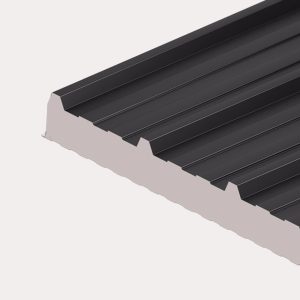
The best replacement depends on the roof covering and the detail being sealed. For steel roof sheets, select flashings made to match the sheet profile, coating and roof layout where possible. Ridge, eaves, barge and side details are not interchangeable, and a component that looks close enough may leave gaps at the profile ribs.
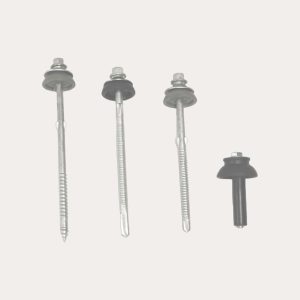
Measure carefully before ordering. Confirm the roof pitch, sheet profile, required leg lengths and overall length of the run. Allow for sensible overlaps between sections, and account for end closures, foam fillers and matching fixings where required. A flashing needs to work as part of the whole roof system, not as an isolated strip of metal.
Material compatibility is equally important. Avoid combining metals that may react with one another in damp conditions. Where a roof is exposed to harsher environments, choose a coating and material designed for that duty rather than simply selecting the lowest-cost option.
For chimney or masonry abutments, the detail often needs more specialist assessment. The flashing must be properly chased, dressed and pointed into the brickwork or mortar joint, with adequate cover over the roof covering. If you are unsure of the existing construction, a competent roofer should inspect it before materials are ordered.
Replace flashings before fitting new roof sheets
If a refurbishment includes new sheets, it is usually worth replacing tired flashings at the same time. Reusing old trims can leave the new roof dependent on components that are already near the end of their service life. It can also make fitting more difficult, particularly if old flashings are bent, short or unsuitable for the new profile.
Ordering sheets, flashings, fillers, fixings and tapes together helps avoid delays halfway through the job. It also makes it easier to match colours and coatings for a clean, professional finish. This is particularly useful for garages, workshops, stables, agricultural buildings and commercial cladding projects where weatherproofing and appearance both count.
Carry out safe, regular checks
Inspect accessible flashings at least once a year and after severe weather. From ground level, look for displaced sections, staining, sagging gutters and debris build-up. If you need to access the roof, use suitable equipment and do not walk on fragile rooflights, fibre cement sheets or unsupported roof areas.
Keep valleys and gutters clear so water can drain freely. Standing water and trapped leaves accelerate corrosion and can force water back under laps. Early maintenance is usually straightforward; leaving a failing flashing through another wet winter rarely improves the outcome.
If you are replacing flashings on a sheeted roof and need help matching the correct profile, finish and accessories, Roof Sheets Online can help you specify the components for a complete, weatherproof build. Getting the detail right now is far cheaper than tracing another leak later.