A dry-looking metal roof can produce a surprising amount of water overnight. If you are asking, why do metal roofs sweat, the roof is not usually failing or leaking. It is reacting to warm, moisture-laden air meeting a cold steel surface. Get the roof build-up right from the start and that moisture can be controlled before it drips on tools, stock, animals or insulation.
Why Do Metal Roofs Sweat?
Metal roofing sheets do not literally sweat. The droplets are condensation: water vapour in the air changes back into liquid when it touches a surface colder than the air’s dew point.
Steel is a highly conductive material, so its underside quickly takes on the outdoor temperature. On a cold night or early morning, warm air inside a garage, shed, stable or workshop rises towards the roof. If that air contains enough moisture, droplets form on the underside of the sheet.
This is especially common on single-skin box profile and corrugated steel roofs. They are sleek, strong and weather-resistant, but a bare sheet does not provide insulation or a vapour control layer. A roof can be fully watertight from rain yet still drip internally from condensation.
Condensation or a Roof Leak?
The pattern usually gives it away. Condensation tends to appear widely across the underside of the sheets, often first thing in the morning, and may worsen after a cold clear night. You might see fine beads of water, damp purlins and drips falling from several places at once.
A leak is more likely to be localised around a fixing, rooflight, lap, ridge, flashing or damaged sheet. It may also appear during or shortly after rainfall. Check both possibilities before assuming the sheets are at fault. A loose fixing washer or poorly sealed flashing needs a different remedy to a condensation problem.
Where Does the Moisture Come From?
The moisture does not have to come from obvious sources. Everyday use can put a lot of water vapour into a small enclosed building. People breathing and working inside contribute to it, as do wet vehicles, freshly cut timber, drying clothes and damp ground below an unsealed floor.
In agricultural buildings, livestock, bedding and feed can create a consistently humid environment. In a workshop, heat from machinery can warm the air and increase the amount of vapour it carries. In a garage, a wet car brought in after rain can be enough to trigger condensation on a cold roof.
A building that is tightly closed but uninsulated is often the worst combination. The warm moist air has nowhere useful to escape, while the exposed steel remains cold.
Why It Matters More Than a Few Drips
An occasional bead of moisture may seem harmless, but regular condensation can cause long-term trouble. Water can stain stored items, damage plasterboard or timber linings, encourage mould and make floors slippery. In sheds and workshops, it can also lead to corrosion on tools and equipment.
The roof structure deserves attention too. Repeated wetting can shorten the life of untreated timber purlins and affect insulation performance if quilt insulation becomes damp. In animal housing, persistent moisture can create an uncomfortable internal environment even where the roof itself remains structurally sound.
The answer is not simply to seal every gap. The correct solution depends on whether the building is open-sided, intermittently used, heated, occupied or likely to hold high humidity.
How to Stop Condensation Under Metal Roofing Sheets
Choose anti-condensation backing for uninsulated roofs
For many garages, stables, storage buildings and garden workshops, steel sheets with an anti-condensation fleece on the underside are a practical option. This factory-applied layer absorbs condensation as it forms, holding the water until conditions improve and it can evaporate back into the air.
It is a neat solution where a simple single-skin roof is required and there is no intention to fully insulate the building. It also avoids trying to fit a membrane retrospectively above installed sheets.
However, anti-condensation backing is not a cure for excessive humidity. It has limited absorption capacity. If a building has poor airflow, wet floors or a high moisture load from livestock or processes, the fleece can become saturated and drips may still occur. Ventilation still matters.
Insulate the roof properly
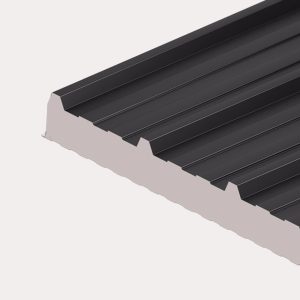
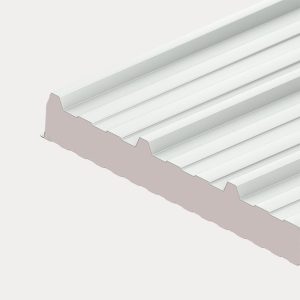
If the building will be heated, regularly occupied or used as a proper workspace, an insulated roof system is normally the stronger long-term choice. Insulated composite panels place a rigid insulation core between steel skins, keeping the internal face warmer. A warmer internal surface is far less likely to reach dew point.
This approach provides more than condensation control. It improves comfort, reduces heat loss and helps make the space more usable throughout the year. Insulated systems cost more upfront than single-skin sheeting, and details around rooflights, ridges, flashings and junctions need to be specified correctly, but they offer a clean, durable finish for many projects.
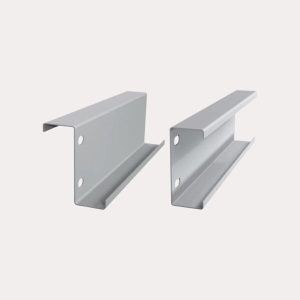
A built-up roof with liner sheets and insulation can also work well, particularly on larger commercial or agricultural buildings. The key is a continuous, correctly positioned vapour control layer on the warm side of the insulation. Small gaps, torn laps and unsealed penetrations allow moist internal air to reach colder layers, where hidden condensation can develop.
Provide purposeful ventilation
Ventilation removes damp air before it reaches the roof. For unheated outbuildings, this may be as straightforward as permanent high-level ventilation at the ridge combined with low-level air entry at the eaves or walls. The aim is a route for air to move through the building, not just a single opening at one end.
Ridge ventilation is particularly effective because warm moist air rises. In stables, barns and agricultural stores, ventilation must suit the use of the building and should not create harmful draughts at animal level. For workshops and garages, controllable vents can help balance airflow with security and weather protection.
Do not rely on opening a door occasionally. It may help on a dry day, but it does not provide the consistent airflow needed when temperatures fall overnight.
Reduce moisture at source
The roof works less hard when the internal moisture load is lower. Repair plumbing leaks, avoid drying laundry in an unventilated outbuilding and allow wet vehicles or equipment to dry with ventilation available. A damp concrete slab can also release moisture for a long time, especially in a new build, so a suitable damp-proof membrane beneath the floor is part of the wider condensation plan.
In high-humidity spaces, an extractor fan or dehumidifier may be useful, but these should support a sound roof design rather than replace one. A domestic dehumidifier is rarely a realistic answer for a large, cold agricultural building.
Getting the Roof Build-Up Right
The best detail depends on the project. A simple log store or open shelter may need little more than correctly fixed sheets and generous airflow. A storage shed could suit anti-condensation-backed sheets with eaves and ridge ventilation. A heated garden room, office or workshop needs insulation, vapour control and carefully sealed junctions.
Rooflights need attention as well. They can increase daylight dramatically, but their thermal performance should match the surrounding roof as closely as practical. Cold rooflights or poorly detailed laps can become local condensation points.
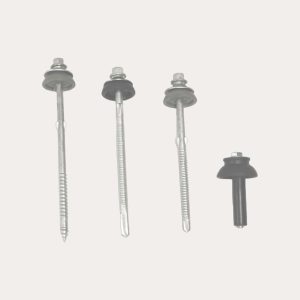
Correct fixings and flashings are not minor extras. They protect the building from rain ingress and help complete the roof line properly, but they do not replace insulation or ventilation. Treat condensation control as part of the full specification, alongside sheet profile, purlin spacing, roof pitch, rooflights and trims.
Can You Fix a Sweating Metal Roof After Installation?
Yes, although retrofitting is usually more involved than choosing the right system before the sheets go on. First, rule out leaks and improve ventilation. If the roof is bare steel and the building is small, adding insulation below the sheets may be possible, provided the design includes a vapour control layer on the warm side and does not trap moisture against the metal.
Spray-applied insulation is sometimes used, but its suitability depends on the roof condition, ventilation strategy and intended use. It can make future sheet repairs more difficult and should not be treated as a universal fix. Re-roofing with anti-condensation-backed sheets or insulated panels can be the cleaner option where the roof is nearing the end of its life or the building’s use has changed.
A metal roof should keep weather out without creating a raincloud indoors. Specify the sheets, insulation, ventilation and supporting components as one system, and you will have a roof that stays dry, performs properly and is easier to live with year after year. If you are unsure which approach suits your build, Roof Sheets Online can help you match the roof system and accessories to the job before ordering.