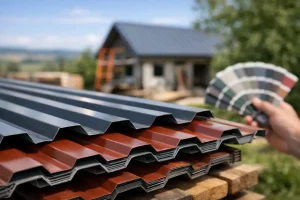
Wind-driven rain has a habit of finding the one overlap you rushed, the one fixing you slightly over-tightened, or the ridge you thought “looked tight enough”. That is exactly where butyl tape earns its keep. Used properly, it gives you a controlled, consistent seal between roofing sheets and flashings – without the mess and guesswork that comes with squeezing sealant out of a cartridge in poor weather.
What butyl tape actually does on sheeted roofs
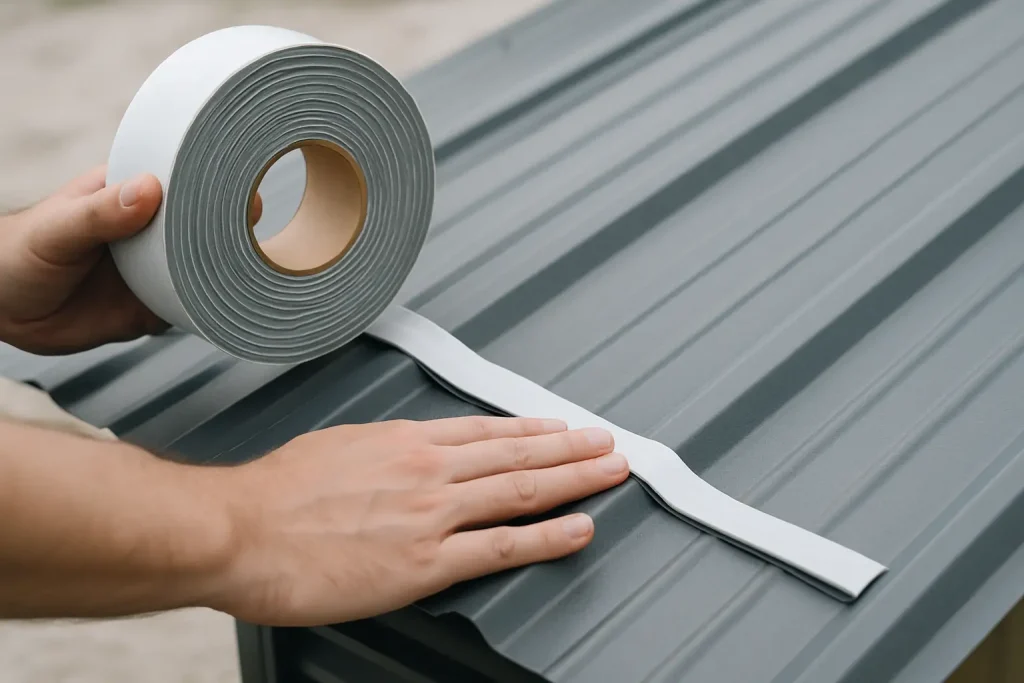
Butyl tape is a pressure-sensitive sealing tape made from butyl rubber. On a roof, it sits between two surfaces (typically sheet-to-sheet laps, or sheet-to-flashing joints) and compresses as you fix everything down. That compression is the point: it fills small gaps, follows the profile, and keeps water and air from tracking through the joint.
It is not a structural adhesive and it is not a substitute for correct laps, correct fixings, or sound purlin centres. Think of it as your weatherproofing layer where sheets meet – particularly on low pitches, exposed sites, and any detail where water can be pushed uphill.
The best results come when you treat it like a system component, not an afterthought. If the sheet profile, laps, fixings, and flashings are right, butyl tape provides the extra margin that stops call-backs.
Where butyl tape for roofing sheets makes the biggest difference
You can use butyl on most metal roofing and cladding sheets (box profile, corrugated, standing seam style details), and it is also commonly used on fibre cement and translucent rooflights where the joint needs to stay flexible. The “it depends” is always the detail – profile shape, pitch, and how much movement you expect.
Side laps and end laps on metal sheets
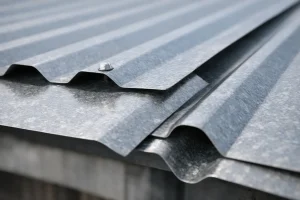
Side laps can look tight but still breathe water in a gale, especially if you are on a coastal site or a high, open elevation. Butyl tape placed correctly along the lap line gives you a consistent seal that is difficult to achieve with a bead of mastic alone.
End laps benefit even more because water is already travelling down the sheet and trying to work across the joint. On lower pitches, end laps are often the first place installers add tape as standard.
Flashings: ridge, verge, apron and abutment
Most leaks we get asked about are not “the sheet” – they are the transition. Ridge flashings, bargeboards, apron flashings at a wall, and abutments all rely on a tight interface against a profiled sheet. Butyl tape sits neatly along the contact line so the fixing pressure creates a continuous seal.
Fixing lines and washer-backed fasteners
Butyl is not normally used under every washer (the washer does that job), but it can be used under certain brackets, stitcher plates, and special details where you are bridging between components. If you are trying to cure a leak by smearing tape over the top of exposed fixings, you are treating the symptom, not the cause. Sort the fixing specification first.
Rooflights mixed into a metal sheet run
Translucent GRP or polycarbonate rooflights expand and contract more than steel. A flexible compression seal helps here, but you still need to allow for movement and follow the rooflight manufacturer’s fixing and lap guidance. If you over-tighten, you can distort the sheet and create the very gap you are trying to prevent.
Tape vs mastic: the trade-offs
A good installer can seal with either, but they behave differently.
Butyl tape is controlled. You lay it in the right place, you fix down, and you get a uniform seal thickness. It is cleaner, quicker for long runs, and far less weather-dependent. If it is cold, it will be firmer, but it still works when compressed.
Mastic (or sealant from a cartridge) can be great for awkward shapes, short details, and “one-off” penetrations. The downside is consistency. Too little and you have gaps. Too much and it squeezes out, looks untidy, and can even attract dirt and moisture at the lap edge. In wet or dusty conditions, sealant can struggle to bond properly.
For many sheeted roofs, the most reliable approach is tape for the main joint line, and sealant only where the detail genuinely needs it.
Choosing the right butyl tape
Not all tapes are the same. Width and thickness matter because they control how much the tape can compress and how much profile it can take up.
For flatter contact areas (like behind a ridge or apron flashing on box profile), a wider tape gives you more tolerance if the sheet crown is not perfectly flat. For tight laps on corrugated sheets, a narrower tape placed in the correct position can be cleaner and easier to compress.
You also need to think about finish compatibility and site conditions. Most quality butyl tapes are fine with coated steel sheets (Plastisol, polyester, galvanised), but surfaces must be clean and dry. If you are refurbing an older roof, oxidised coatings and embedded dirt will reduce performance – sometimes the right answer is to replace a problematic run rather than trying to seal over it.
How to fit butyl tape cleanly (and avoid the usual mistakes)
The tape itself is simple. The quality of the seal depends on preparation and where you place it.
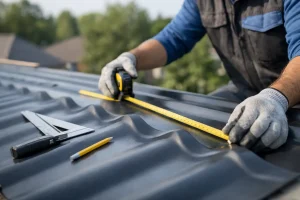
Start with a clean contact line. If the sheet has swarf, dust, oil from handling, or wet patches, you are asking the tape to seal over contamination. A quick wipe along the contact area is time well spent.
Lay the tape in one continuous run wherever possible. Lots of short pieces create join lines, and join lines are where water likes to start tracking. When you do have to join, overlap the tape slightly and keep the join away from the most exposed part of the lap.
Position matters. On a side lap, you want the tape in the zone that will be fully compressed by the overlap and any stitcher fixings. If you place it too close to the lap edge, it can squeeze out and leave a capillary path behind it. If you place it too far in, you may miss the water line.
Do not stretch the tape as you apply it. Stretching thins it out and encourages it to pull back later, particularly in warmer weather. Let it sit naturally and press it down firmly.
Fixing pressure is the final step. The tape needs compression, but not abuse. Over-tightening can dish the sheet, deform the lap, and create gaps next to the tape. Tighten fixings to the point the washer is correctly seated and you have a firm hold – then stop.
If you are working in colder conditions, keep the tape warm before use. A tape that has been sat in the back of a van overnight in January will be harder to work with. Bring it inside or keep it in a heated cab so it is pliable when you apply it.
Common leak points where tape is blamed unfairly
Butyl tape often gets blamed when the real issue is elsewhere. Three patterns crop up repeatedly.
First, insufficient end lap for the roof pitch. If the pitch is low, water lingers and pressure pushes it across the lap. Tape cannot compensate for an end lap that is simply too short.
Second, wrong fixings or poor fixing lines. If fixings miss the purlin, are spaced incorrectly, or are driven at an angle, the sheet will move and the joint will open. Tape is not a substitute for a correct fixing specification.
Third, distorted sheets. Walking on sheets without spreader boards, lifting a run badly, or over-tightening can all introduce small dips and twists. A tape seal can only follow what it is compressed against.
If you are troubleshooting an existing roof, look at the basics before adding more sealant. Check lap direction, lap length, pitch, fixing pattern, and whether the purlins are true. It is usually quicker to correct the cause than to keep patching the symptom.
Getting the “one stop shop” build right
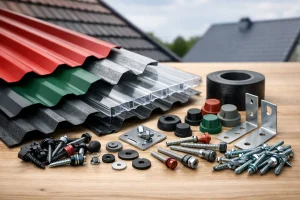
Butyl tape works best when it is chosen alongside the right sheets, flashings, and fixings – because all those parts dictate where the water will try to go. If you are ordering for a new build or refurb and want everything to arrive together, including the right sealing tapes and closure options for your profile, we can supply the full accessory package alongside your sheets at https://www.roofsheetsonline.co.uk and confirm a delivery date that suits your job.
When you should not rely on butyl alone
There are details where tape is only part of the answer. Penetrations (flues, soil pipes, ducts) need purpose-made flashings and proper detailing. Gutters and valleys need correct forming and falls. If you have standing water, no tape will save it long term – that is a drainage and pitch issue.
On very irregular substrates, tape can also struggle to compress evenly. If you are fixing cladding to a surface that is not straight, sort the structure first or use appropriate packers so the sheet sits true. The goal is consistent pressure along the seal line.
A closing thought before you order or fit
If you treat butyl tape as the cheap insurance it is – applied neatly, compressed properly, and backed up by correct laps and fixings – it quietly does its job for years, and nobody ever has to think about that joint again.