If a corrugated roof leaks, rattles in wind or looks uneven across the run, the problem often starts at the lap. Getting corrugated sheet overlap and side lap right is one of the simplest ways to protect a roof from water ingress, cut waste and avoid awkward remedial work later. It is not just about laying one sheet over another. It is about profile match, roof pitch, fixing position and making sure every sheet works as part of one weatherproof system.
For trade installers, that is basic good practice. For DIY buyers, it is usually the point where measurements become less obvious than they looked on paper. A sheet may be sold at one width and installed at another. The difference is the lap, and if you do not allow for it properly, you can easily come up short on coverage.
What corrugated sheet overlap and side lap actually mean
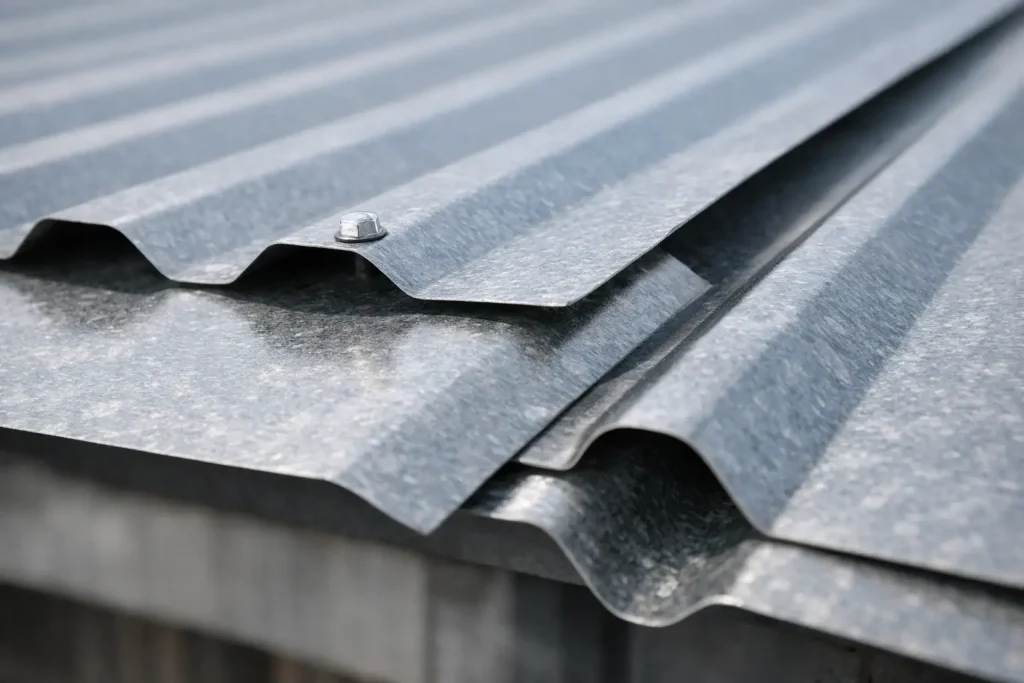
There are two separate laps to think about. The side lap is where one sheet overlaps the next across the width of the roof. The end overlap is where one sheet overlaps another along the length, usually when the roof slope is longer than a single sheet length.
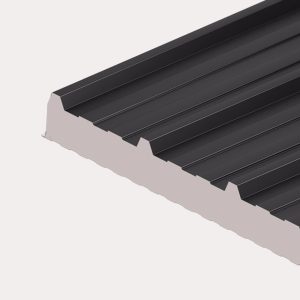
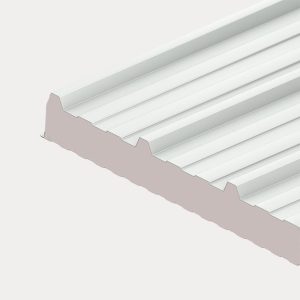
On corrugated profile sheets, the side lap is generally formed by overlapping one corrugation, though exact requirements can vary by profile, exposure and pitch. That overlap reduces the effective cover width of each sheet. So while a sheet may have a wider overall width, the usable installed width is always less once the side lap is taken into account.
End overlap is equally important. If the roof cannot be covered in one sheet from ridge to eaves, the upper sheet must overlap the lower sheet enough to shed rainwater safely. Too little overlap and wind-driven rain can work back up the roof. Too much and you add unnecessary material cost and create a bulky joint that is harder to fix neatly.
Why the correct side lap matters so much
A corrugated roof is designed to channel water down the profile and off the building quickly. The side lap is the vulnerable point because it is where water can cross from one sheet to the next. When fitted correctly, that lap sheds water cleanly. When fitted badly, it can become the first place a roof fails.
The right side lap helps with more than waterproofing. It improves sheet alignment, keeps fixing lines consistent and helps the finished roof look straight and professional. On agricultural buildings, garages, workshops and stables, appearance might not be the top priority, but a roof that sits properly will usually perform better over time as well.
There is also a cost angle. If you measure using overall sheet widths instead of cover widths, you may under-order. If you overcompensate and allow too much, you may buy more sheets than you need. Good lap planning keeps the job efficient and helps you order the right accessories in one go, from fixings to flashings and closures.
Corrugated sheet overlap and side lap by roof pitch
Pitch makes a real difference. A steeper roof sheds water faster, so the risk of standing water or slow drainage at the lap is lower. On a shallow pitch, water moves away more slowly and wind-driven rain becomes more of a concern, so lap requirements become more critical.
This is where a one-size-fits-all answer can catch people out. Many installers work to the usual side lap for the profile they are using, but end lap and sealing details may need more attention on lower pitches or in exposed sites. Coastal locations, open farmland and elevated plots often need a bit more care than sheltered domestic settings.
If you are planning a roof close to the minimum pitch for the sheet profile, it is worth checking the full system detail rather than relying on assumption. Sealants, foam fillers or different fixing layouts may be advisable depending on the building and exposure. The sheet itself matters, but so does the rest of the roof package.
How to calculate cover width properly
This is where many ordering mistakes happen. You should calculate coverage using the sheet’s effective cover width, not its overall manufactured width. The side lap removes part of each sheet from the visible and weathering area.
For example, if a corrugated sheet has an overall width of roughly 990mm but an effective cover width of around 840mm after side lap, it is the 840mm figure that matters when working out how many sheets you need across the roof. Exact dimensions depend on profile, so always use the stated cover width for the product you are buying.
The same principle applies to length if you need end laps. A 3m sheet does not give 3m of effective coverage once an end overlap is introduced. That overlap needs to be subtracted from the usable run. On a longer roof slope, this can materially affect your sheet quantities.
It is often sensible to order sheets cut to the full slope length where practical. That removes the need for end laps altogether, reduces labour and lowers the number of potential leak points. There are situations where handling, access or transport makes shorter sheets the better option, but a single-length run is usually the cleaner solution.
Fitting the side lap the right way round
Side laps need to be laid with the roof’s exposure in mind. In simple terms, you want the lap arranged so the prevailing wind is less likely to drive rain into it. On many jobs, sheets are laid away from the direction of the worst weather. It sounds minor, but on exposed sites it can make a noticeable difference.
Consistency matters too. If the first sheet is set out badly, every following sheet will carry that error. Start square at the eaves, check alignment early and keep an eye on cover width as you progress. Trying to correct a creeping line several sheets in usually leads to uneven laps and awkward fixings.
You also need to avoid crushing or distorting the lap when fixing. Overtightened fasteners can deform the sheet profile and compromise the washer seal. Tight enough to weatherproof is right. Forced down too hard is not.
Common mistakes with corrugated overlaps
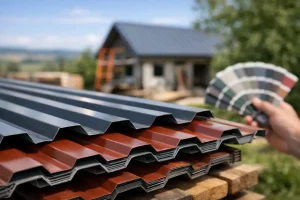
The most frequent issue is assuming all corrugated sheets install the same way. They do not. Different profiles, materials and gauges can have different recommendations for support centres, fixing patterns and lap details. Fibre cement, steel and bitumen-style corrugated sheets each have their own fitting considerations.
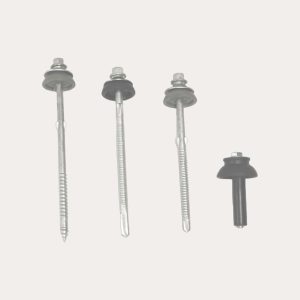
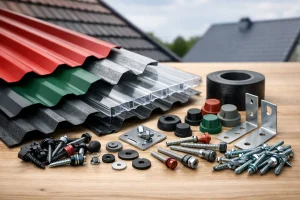
Another common problem is forgetting accessories. A corrugated roof is not complete with sheets alone. You may need appropriate fixings, ridge pieces, verge flashings, foam fillers and anti-condensation options depending on the building use. If the lap is correct but the roof edge detailing is poor, the job can still underperform.
There is also the temptation to reduce the side lap to save material. That is false economy. The proper lap is part of the sheet’s weathering design. Trimming it back to gain cover width may leave you with a roof that looks fine on day one and leaks under the first spell of driven rain.
When end laps need extra care
End laps deserve particular attention on lower pitches and longer roof runs. Water is travelling directly over that joint, so sheet support, fixing placement and overlap depth all need to be right. A loose or poorly supported end lap can chatter in wind and gradually open up problems.
In many cases, sealing tape or butyl strip is used to improve weather resistance at these joints, especially where pitch is modest or the site is exposed. That does not replace correct overlap length. It supports it. The mechanical fit of the sheets still comes first.
If you can avoid end laps by ordering longer sheets, that is often the best route. If you cannot, make sure the overlap detail is planned rather than improvised on site.
Getting the order right first time
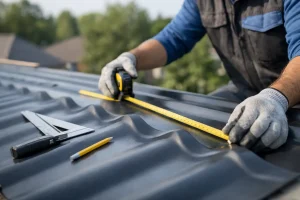
From a buying point of view, the safest approach is to work backwards from finished cover. Measure the roof dimensions carefully, allow for side laps and any end laps, then match those figures to the correct sheet profile and accessory package. This is where dealing with a specialist supplier helps. You are not just buying sheets. You are buying a roof build with all the supporting parts that make it perform properly.
At Roof Sheets Online, that is exactly how many customers prefer to buy – one order, one delivery, and the right fixings, flashings and trims to match the sheets. It saves time, cuts down on missed items and gives you a clearer path from measurement to installation.
If there is any uncertainty, especially around pitch, exposure or profile choice, ask before ordering. It is far easier to confirm cover widths and lap details in advance than to solve a shortage once the sheets are on site.
A corrugated roof does not need to be complicated, but it does need to be planned properly. Get the overlap right, respect the side lap, and the whole job tends to go smoother from first sheet to final fixing. If you are unsure, a quick technical check at the start is usually the cheapest part of the project.