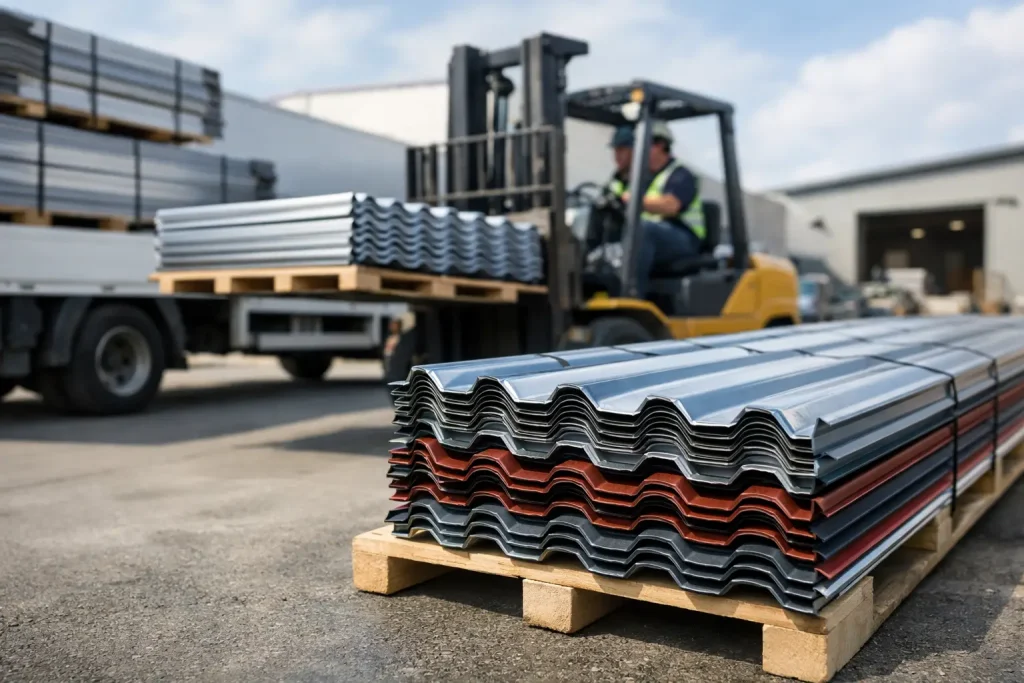
If your roofer is booked for Tuesday and the sheets arrive on Friday, the whole job starts costing more than it should. That is why metal roof sheet delivery times matter so much – not just for convenience, but for labour planning, access arrangements and keeping a project moving without expensive hold-ups.
For trade buyers, delays can leave a team standing around with nothing to fit. For homeowners and smallholders, they can mean a half-finished garage, stable or workshop sitting open to the weather. The good news is that delivery times are usually predictable when the order is specified properly from the start. The less good news is that lead times can shift depending on profile, finish, accessories and whether you are buying from stock or ordering a made-to-size system.
The biggest factor is whether the product is a stocked line or a manufactured order. Standard box profile and corrugated sheets in popular gauges, colours and lengths often move faster because they are high-demand products. Once you move into non-standard lengths, specialist finishes, insulated panels or branded systems, lead times can extend because the order may need to be cut, formed or brought in to match your specification.
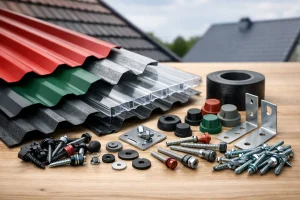
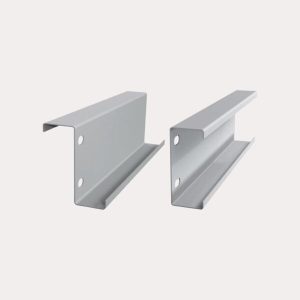
Flashings and trims are another common reason timings change. Buyers often focus on the main roof sheets, but ridge flashings, bargeboards, corner trims and gutters are what complete the job properly. Many of these are folded to order. If the sheets are available quickly but the flashings are bespoke, the delivery window may follow the longest lead item rather than the fastest one.
Quantity matters too. A small order for a shed roof may be straightforward. A larger agricultural, industrial or commercial order with multiple sheet lengths, rooflights, purlins, fixings and insulated sections takes more coordination. That does not mean it has to be slow, but it does mean accuracy matters more.
Then there is location and site access. UK-wide delivery is standard for many roofing products, but long sheets need careful transport planning. Tight lanes, restricted access, timed unload slots and sites without lifting equipment can all affect the earliest practical delivery date.
There is no single answer that covers every order, but there are broad patterns buyers can use when planning.
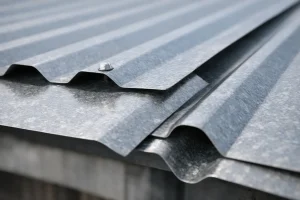
Standard metal roof sheets in common profiles and finishes are often the quickest option. If a supplier holds strong stock levels, these can usually be turned around far faster than specialist items. Corrugated and box profile sheets for garages, sheds, workshops and agricultural buildings are often the most efficient route when speed is a priority.
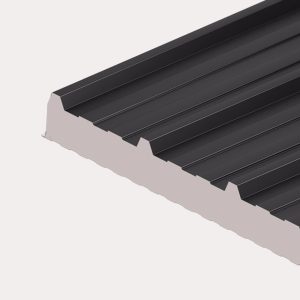
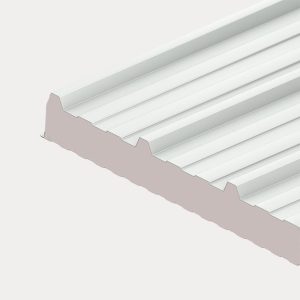
Insulated panels can take longer. Products such as composite roof panels or specialist branded systems need tighter specification, and lead times may depend on thickness, colour, facing and availability. If you are ordering Kingspan QuadCore or similar premium insulated systems, it is sensible to allow more time than you would for a simple single-skin sheet.
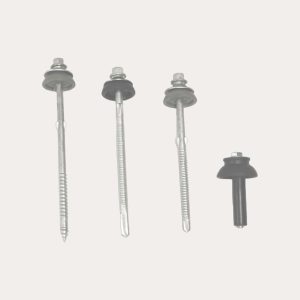
Fibre cement and flat sheet products sit somewhere in the middle depending on stock and size requirements. Rooflights, purlins, foam fillers, tapes and fixings may be readily available, but made-to-measure flashings can still control the delivery schedule.
That is why a one-stop order often saves time overall, even if one line is not immediate. When everything is sourced together, it is easier to coordinate a delivery date that actually works for installation rather than receiving part of the job early and waiting on the rest.
Most roofing delays do not come from transport alone. They start earlier, at quotation or ordering stage.
The most common issue is incomplete specification. If the sheet profile, thickness, coating, colour, lengths, overlap requirements or flashing details are unclear, the order may need checking before production or dispatch. That is a good thing from a quality point of view, but it can cost time if the questions only surface after the order is placed.
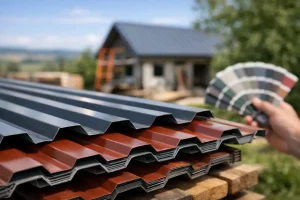
Changes after ordering also slow things down. Swapping a polyester finish for Plastisol, adjusting lengths, adding rooflights or changing from galvanised flashings to colour-matched trims can all move the delivery date. Even a small revision can affect production scheduling.
Weather can play a part too, but usually at the delivery stage rather than manufacturing. Heavy winds, snow or poor site conditions may make unloading long sheets unsafe. In those cases, rescheduling is often the sensible option.
If fast delivery matters, the best approach is to make the order easy to process and easy to deliver.
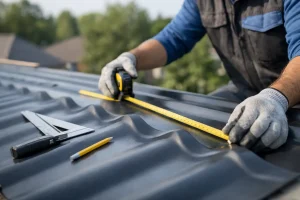
Start with accurate dimensions. Confirm sheet lengths properly, taking roof pitch, overhang and side laps into account. Guesswork causes problems later. If you are unsure, ask before ordering rather than correcting it once the sheets are in production.
Next, order the full roof build together where possible. Sheets, flashings, fixings, rooflights, closures, tapes and purlins should be planned as one package. Splitting the purchase across multiple suppliers can look quicker on paper, but it often creates delays when one merchant has stock and another does not. It also increases the risk of mismatched components.
Be clear about site access. Mention narrow roads, building site restrictions, limited unloading space or whether a forklift is available. Long roof sheets are not a parcel delivery. If the supplier knows the access conditions early, the right vehicle and delivery arrangement can be booked from the start.
Finally, build in a sensible margin. If your installer starts on Monday, do not aim for delivery at 4pm on Friday unless there is no alternative. A little breathing space protects the programme if traffic, weather or site issues get in the way.
Trade customers usually focus on reliability over raw speed. A confirmed delivery date they can plan labour around is often more valuable than a vague promise of rapid dispatch. If a roofing crew, cherry picker or scaffold is booked, certainty matters.
DIY buyers often have a different concern. They want to know whether they will be left figuring things out on their own if anything about the order is unclear. This is where specialist support makes a real difference. The right supplier does not just sell sheets – they help make sure the trims, fixings and matching components are included so the project does not stall halfway through.
That matters whether you are covering a garden workshop or specifying cladding for a commercial unit. The order needs to arrive ready to install, not half complete.
There is always a balance between speed and exact specification. If you need the quickest route, stocked profiles in standard colours and gauges are often the answer. They are proven, strong, weather-resistant and suitable for a wide range of domestic, agricultural and industrial uses.
If the job calls for a particular finish, premium insulated performance or bespoke flashings, the wait can be longer, but you are getting a better fit for the application. That can be the right decision when thermal performance, appearance or long-term durability are priorities.
In other words, faster is not always better. The smart choice is the one that keeps the project on schedule without compromising the roof build itself.
Before you commit, ask for a realistic delivery window, not a best-case guess. Confirm whether the sheets are in stock, whether any trims are folded to order, and whether the quoted times cover every component needed to finish the roof.
It is also worth asking how delivery dates are confirmed and what happens if site access changes. A supplier with proper roofing experience will be used to these questions and should be able to give straight answers. Roof Sheets Online, for example, backs up product supply with delivery date confirmation and technical support, which is exactly what buyers need when timings are tight.
That kind of support matters more than flashy promises. Roofing materials are bulky, technical and often project-critical. You want the order handled by people who understand how a missed item or late delivery affects the whole build.
Metal roof sheet delivery times are rarely just about how fast a lorry can get from depot to site. They depend on what you are ordering, how well it is specified, whether the accessories are included, and how practical the delivery is once the goods are ready.
If you want the best chance of a smooth, fast turnaround, keep the order accurate, buy the complete system together and work with a supplier that knows roofing, not just logistics. A roof build runs better when the sheets, trims and fixings arrive in the right order, on the right date, ready to fit. If you are unsure what will affect your lead time, ask early and get it right before the job is booked in.
Roof Sheets Online Ltd
UNIT C4
MACROME ROAD
Wolverhampton
WV6 9HD
Company No 15150940
Vat No. 4880 70856