A roof sheet that starts leaking after a few winters is rarely just “bad luck”. In most cases, lifespan comes down to the right material, the right coating, and the right installation from day one. If you are asking how long do metal roof sheets last, the honest answer is that a well-specified system can give you decades of reliable service, but the exact figure depends on where it is fitted and how well the full roof build has been put together.
For sheds, garages, workshops, agricultural buildings and light industrial units, metal roof sheets remain one of the strongest long-term choices because they are durable, weather-resistant and comparatively low maintenance. That said, not all sheets last the same length of time. A cheap thin sheet with a basic finish on an exposed coastal site will not perform like a premium plastisol-coated profile fitted correctly with matching fixings and flashings.
How long do metal roof sheets last in practice?
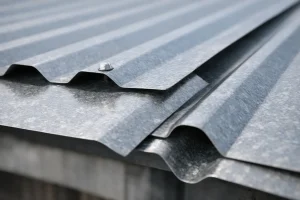
In general, metal roof sheets can last anywhere from 20 to 40 years, and in some cases longer. Polyester-coated steel sheets often sit at the lower to middle end of that range, while thicker steel with a high-performance plastisol finish can deliver a longer service life. Galvanised sheets can also perform well, especially in the right environment, but finish quality and exposure matter.
This is why broad lifespan claims should always be treated carefully. The sheet itself is only one part of the picture. The roof’s pitch, the building’s location, whether it faces prevailing weather, and whether the installer used the correct fixings, closures and flashings all play a part.
If you are buying on price alone, it is worth pausing. Saving a little on the sheet but compromising on coating, thickness or accessories can shorten the life of the whole roof system.
What affects how long metal roof sheets last?
The base material
Most metal roof sheets used on domestic, agricultural and commercial projects are manufactured from steel with a protective coating. Steel offers excellent strength and is suited to a wide range of spans and profiles. The key is making sure the protective layers are right for the building and environment.
Aluminium is another option in some applications. It offers very good corrosion resistance, particularly in harsher environments, but it is not always the most cost-effective choice for every project. For many buyers, coated steel remains the practical balance of lifespan, strength and value.
The coating and finish
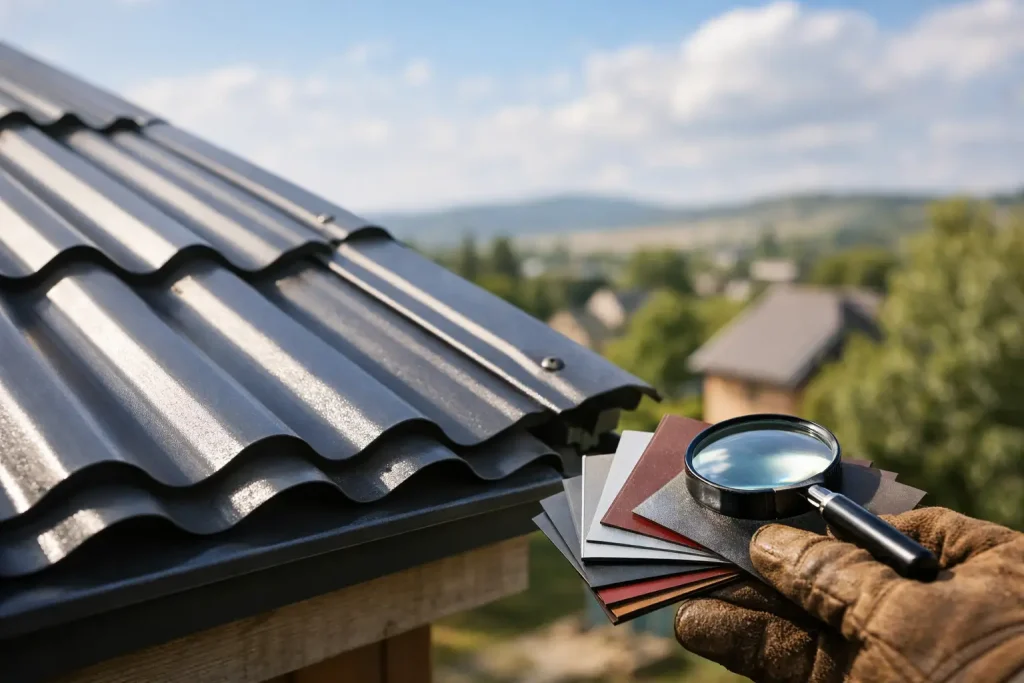
The finish on the sheet has a major impact on how long it will last. Polyester is a common entry-level coating and can be a sound option for less demanding applications or tighter budgets. Plastisol is thicker, tougher and generally better suited where long-term durability matters.
A stronger coating gives better resistance against scratching, UV exposure and corrosion. That matters on roofs that take the full force of British weather year after year. If the protective finish breaks down early, the underlying steel becomes more vulnerable.
The site conditions
Location changes everything. A roof in a sheltered inland setting will usually last longer than one exposed to coastal salt, industrial pollution or driving rain. Buildings in open countryside can also take a battering from wind uplift and repeated weather exposure.
If your project is near the coast, on a farm, or in an area with harsh conditions, the specification should reflect that. A premium finish and properly matched components are not optional extras in those cases. They are part of protecting the investment.
Installation quality
Even top-quality roof sheets can underperform if they are fitted badly. Incorrect end laps, over-tightened fixings, poor sheet alignment, cut edges left untreated, and missing flashings can all shorten roof life.
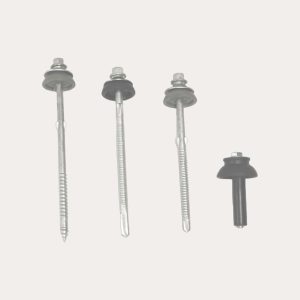
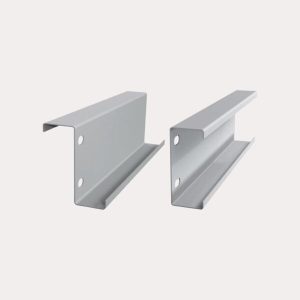
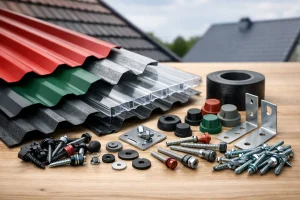
A metal sheet roof works as a system. The sheets, fixings, foam fillers, flashings, rooflights and supporting structure all need to work together. Weakness in one area often shows up elsewhere as leaks, movement, condensation issues or premature wear.
Maintenance and aftercare
Metal roof sheets are low maintenance, not no maintenance. Dirt build-up, blocked gutters, trapped debris and untreated damage can all reduce lifespan over time. A simple inspection routine can make a real difference.
If leaves and standing moisture sit at sheet ends or around fixings for long periods, corrosion risk increases. Small scratches or damage caused during later works should also be dealt with promptly before they become a larger problem.
Which metal roof sheets tend to last longer?
For many UK projects, plastisol-coated box profile or corrugated sheets offer one of the best combinations of lifespan, strength and value. They are widely used because they are proven, practical and suitable for everything from garages and workshops to agricultural buildings.
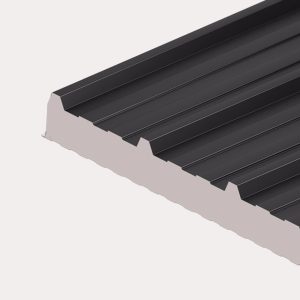
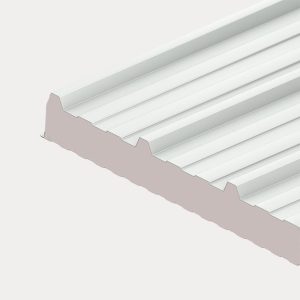
Insulated panels can also deliver excellent longevity when specified correctly. They bring the added benefit of thermal performance and condensation control, which is important for buildings that are occupied, heated or storing sensitive equipment. In those cases, lifespan is not only about how long the outer sheet lasts, but how well the complete roof build continues to perform.
Fibre cement is sometimes considered alongside metal roofing, but it behaves differently and has its own performance profile. If your priority is a sleek, strong, weatherproof sheet roof with a broad range of accessories and finishes, metal remains a dependable option.
Signs a metal sheet roof is ageing early
A roof does not usually fail all at once. More often, it starts showing warning signs. Fading finish, visible rusting, loose fixings, recurring leaks around laps or penetrations, and excessive condensation can all point to a roof that is deteriorating sooner than it should.
Some of these issues are repairable without a full replacement. Others suggest the original specification was not right for the job. If the coating is failing across large areas or corrosion is widespread, patching may only delay the inevitable.
This is where buying a complete, correctly specified system matters. The right trims, fixings and flashings are not just add-ons. They protect vulnerable junctions where many problems begin.
Can metal roof sheets last 50 years?
They can, but it should not be treated as a standard expectation for every sheet on every building. Premium materials, high-performance coatings, good installation and favourable conditions can push lifespan well beyond the typical range. But if a sheet is installed on an exposed site with minimal maintenance and budget components, 50 years is far less realistic.
That is why honest advice matters more than overblown claims. A trade-grade roof sheet should be chosen for the actual building, not the best-case scenario on paper.
How to get the longest life from your roof sheets
Start with the correct specification. Choose a profile and coating that suit the building’s use and exposure, not just the lowest upfront cost. If the site is coastal, agricultural or especially exposed, say so when ordering.
Make sure the full roof package is right. Correct fixings, flashings, fillers and rooflights all help the roof stay weatherproof and stable. Mixing unmatched parts or cutting corners on accessories often creates problems later.
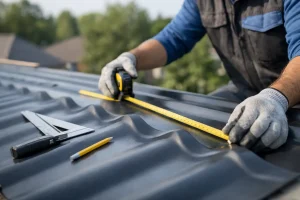
Installation should follow manufacturer guidance on overlaps, fixing positions, support spacing and seal details. This is especially important on longer sheets and lower-pitch roofs, where poor fitting can lead to persistent leaks.
After installation, inspect the roof periodically. Clear debris, keep gutters flowing, check for damaged coatings or loose fixings, and deal with small issues before they spread. For many buildings, that level of attention is enough to keep the roof performing well for years.
Is metal roofing still good value if it costs more upfront?
In many cases, yes. A longer-lasting sheet with a stronger finish often works out better value than a cheaper alternative that needs repair or replacement sooner. This is particularly true on working buildings where downtime, water ingress or repeated call-backs cost more than the material saving.
There is also the practical benefit of sourcing everything together. When sheets, flashings, fixings and supporting components are selected to work as one system, the risk of avoidable problems drops. That is one reason many trade and DIY buyers prefer a specialist supplier such as Roof Sheets Online rather than piecing an order together across multiple merchants.
If you are planning a new roof or replacing an old one, the better question is not only how long do metal roof sheets last. It is how long will the roof last once it is fully built, exposed to the weather and expected to perform without fuss. Get that part right, and a metal sheet roof can give you decades of dependable service. If you are unsure which finish, profile or accessory package suits your project, it is always worth asking before you order rather than paying for the wrong roof twice.