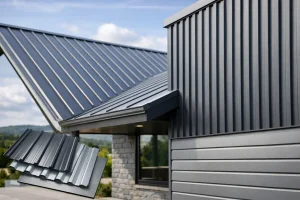
A roof rarely fails without giving a few warnings first. Knowing when to replace roof sheets can prevent a small drip, loose fixing or patch of corrosion becoming damaged insulation, rotten timber or lost working time in a shed, stable, workshop or commercial building.
The right time is not always determined by age alone. A well-installed, correctly specified metal roof can last for decades, while sheets exposed to poor drainage, coastal conditions, heavy condensation or repeated impact may need attention much sooner. The key is to inspect the roof as a complete system: sheets, laps, fixings, flashings, rooflights and supporting structure all matter.
1. Persistent leaks are returning after repairs
An isolated leak around a fixing can often be resolved by replacing the fixing and washer, or by correcting a poorly sealed overlap. But if leaks keep returning in different areas, patching may no longer be a sensible long-term answer.
Water can track beneath laps and flashings before becoming visible inside, so the stain on the ceiling is not always directly below the fault. Check ridge details, side laps, eaves, rooflight junctions and penetrations such as flues or extract vents. If seals have hardened, fasteners are failing across the roof, or the sheets have deteriorated at overlaps, replacement will normally offer better value than ongoing call-outs and temporary repairs.
2. Corrosion has moved beyond a surface mark
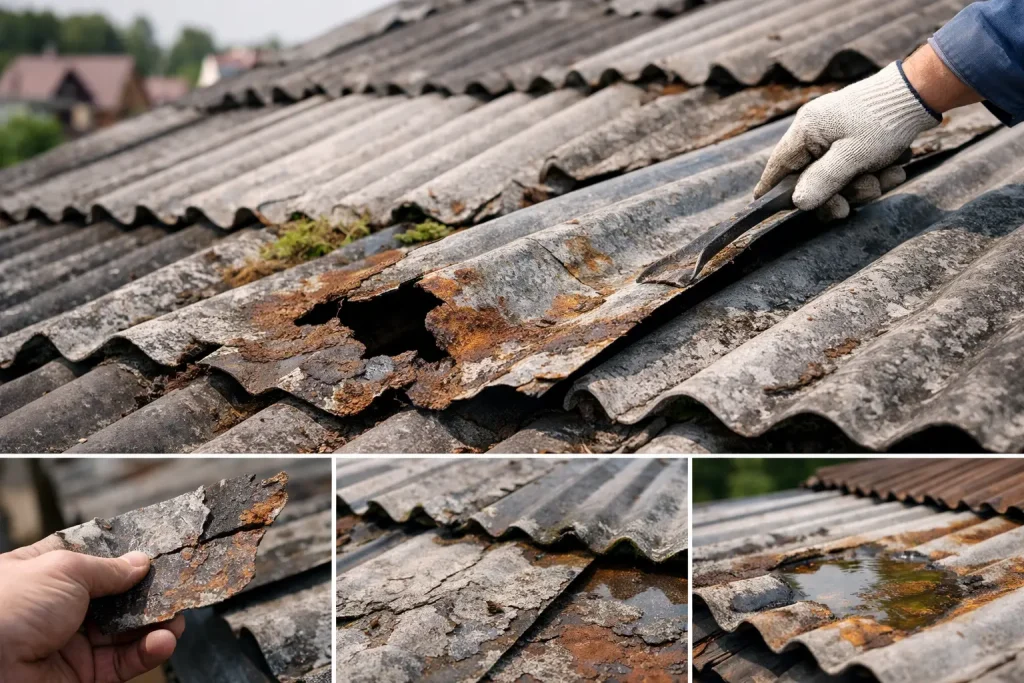
Small areas of surface rust should be dealt with promptly, especially around cut edges, scratches and fixings. Left untreated, corrosion can work through the protective coating and reduce the sheet’s strength.
Pay particular attention to the bottom edge at the eaves, where standing water and debris can sit, and to areas beneath leaking gutters. Rust around fixing points is also a warning sign: once the metal thins, wind uplift can pull a sheet loose even if the rest of the panel looks sound.
There is a difference between a cosmetic mark and widespread coating breakdown. If there are rust holes, flaking metal, repeated perforations or large areas of corrosion across several sheets, it is time to plan a replacement roof. For exposed sites, choosing a suitable finish and ensuring correct drainage will make a major difference to the life of the new installation.
3. Cracked, split or brittle sheets need action
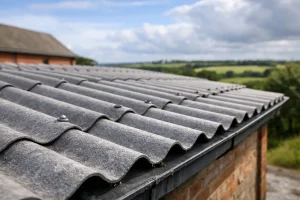
Fibre cement, PVC and GRP roof sheets can become brittle over time. Sunlight, temperature changes and physical knocks all take their toll. Cracks may begin around fixings, at sheet ends or where installers have walked on unsupported areas.
A crack is not simply a leak risk. It can spread under wind movement, snow load or further foot traffic. With translucent rooflights, ageing can also reduce light transmission and make the material more prone to splitting.
Never assume a roof sheet is safe to walk on because it appears intact. Fragile roof materials require suitable access equipment and safe working methods. If cracking is widespread, replacing the affected run – or the full roof where matching sheets are unavailable – is the safer, more reliable option.
4. The roof has started to sag, rattle or lift
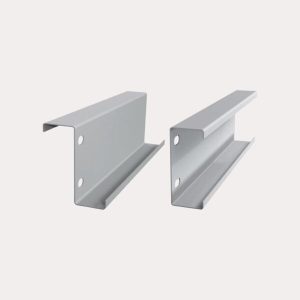
Roof sheets should sit firmly on correctly spaced purlins or other supporting members. Movement, sagging between supports or rattling in strong winds can indicate failed fixings, undersized sheets, inadequate purlin spacing or deterioration in the timber or steel structure beneath.
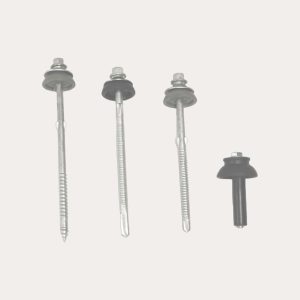
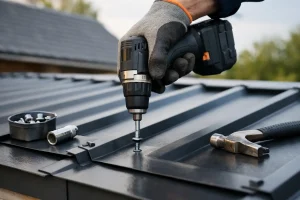
Loose sheets should be addressed quickly. Wind can get beneath a lifted edge and place considerable pressure on the roof, damaging adjacent panels, flashings and gutters. Do not just add extra fixings without checking the cause. Fixing into rotten timber, thin steel or an incorrect location will not create a secure repair.
If the supporting structure is sound, a partial re-sheet may be possible. Where purlins, rafters or wall plates have decayed or distorted, resolve that structural work before ordering new sheets. A precision-cut, weatherproof roof is only as dependable as the framework carrying it.
5. Condensation is causing damage inside
Condensation is often mistaken for a roof leak. On cold mornings, warm moist air inside a garage, stable, workshop or agricultural building can meet the colder underside of the roof and form droplets. If those droplets fall onto equipment, stored materials, insulation or animals, the building needs attention even when the sheets themselves are watertight.
Look for damp patches that appear across the underside of the roof, black mould, dripping at sheet laps, musty smells and corrosion on internal steelwork. These are signs that moisture control is not working.
Replacing plain metal sheets with anti-condensation backed sheets may be suitable for some uninsulated buildings. For heated or regularly occupied spaces, an insulated roof system can provide much better thermal performance and help control internal condensation when specified and fitted correctly. Ventilation, vapour control layers and sealed details also play a part, so the answer depends on how the building is used.
6. Rooflights have yellowed or lost their strength
Rooflights are useful for bringing natural daylight into agricultural, industrial and domestic outbuildings, but they do not necessarily age at the same rate as the main roof sheets. Yellowing, cloudiness, crazing and brittleness reduce both appearance and performance.
A failing rooflight can become the weakest point in an otherwise serviceable roof. It may leak at laps, crack around fixings or provide poor light levels that make a workspace darker than it needs to be. Replacing rooflights as part of a wider re-roof is often more practical than trying to match ageing materials later.
When ordering replacements, make sure the profile, sheet length, lap arrangement and thickness are compatible with the surrounding roof. Correctly matched profile fillers, stitching screws and sealing tapes are just as important as the panel itself.
7. Repairs are becoming more expensive than renewal
A repair is worthwhile when it solves a contained problem and leaves the roof with years of dependable service ahead. It is less worthwhile when every storm reveals another weak spot, replacement sheets no longer match the existing profile, or labour and access costs are mounting up.
As a practical rule, assess the condition of the entire roof rather than deciding based on one damaged sheet. If more than a small localised area is corroded, cracked or leaking, a planned replacement can be the more economical choice. It also gives you the opportunity to correct poor falls, upgrade insulation, improve daylight or fit better flashings and gutters.
8. The sheets have reached the end of their expected working life
There is no single replacement date for every roof sheet. Material type, coating, building use, installation quality and exposure all affect longevity. A galvanised roof in a sheltered garden may age very differently from a polyester-coated agricultural roof exposed to ammonia, or a coastal building dealing with salt-laden air.
If the roof is approaching the typical service life expected for its material and showing several warning signs, arrange a proper inspection rather than waiting for a failure. Record sheet profile, dimensions, purlin centres, roof pitch and any existing insulation before purchasing materials. This makes it far easier to order compatible sheets, flashings, fixings and accessories in one go.
Choosing the right replacement roof sheets
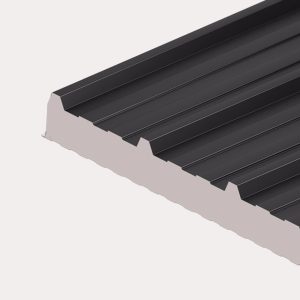
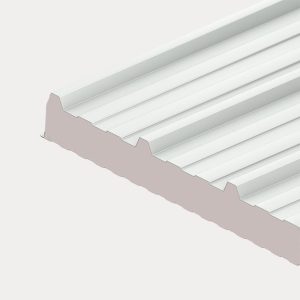
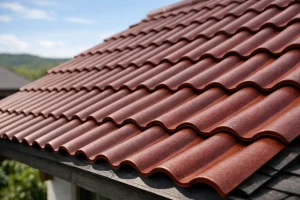
The best replacement is not automatically a like-for-like sheet. Corrugated and box profile steel sheets are popular for garages, workshops, stores and agricultural buildings because they are strong, neat and quick to install. Fibre cement remains a practical choice for many agricultural applications, while insulated composite panels suit projects where thermal performance, condensation control and a clean internal finish are priorities.
Consider the roof pitch, span between supports, building use and local exposure before choosing a profile or finish. A stable has different moisture demands from a dry equipment store, and a heated garden room has different requirements again. Include the full system in the specification: ridge and eaves flashings, barge flashings, fillers, sealants, gutters, rooflights, purlins and correctly sized fixings all help create a secure, weather-resistant result.
Measure twice before ordering. Sheet length should allow for the correct eaves overhang and lap details, while sheet coverage width must account for side laps. If you are replacing only part of a roof, confirm that the existing profile and pitch can be matched before committing to materials.
A planned replacement gives you control over cost, delivery and installation timing. If you are unsure whether a repair is still viable or which roof system suits your building, gather clear photographs and measurements, then speak to a roofing specialist before the next small fault turns into a larger job.