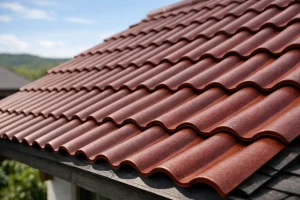
A weathered corrugated roof on a garage, stable or workshop can look like any other old sheet roof from ground level. That is why fibre cement vs asbestos is not a question to answer by appearance alone. Getting it wrong can put people at risk, delay a refurbishment and leave you with the wrong plan for removal or replacement.
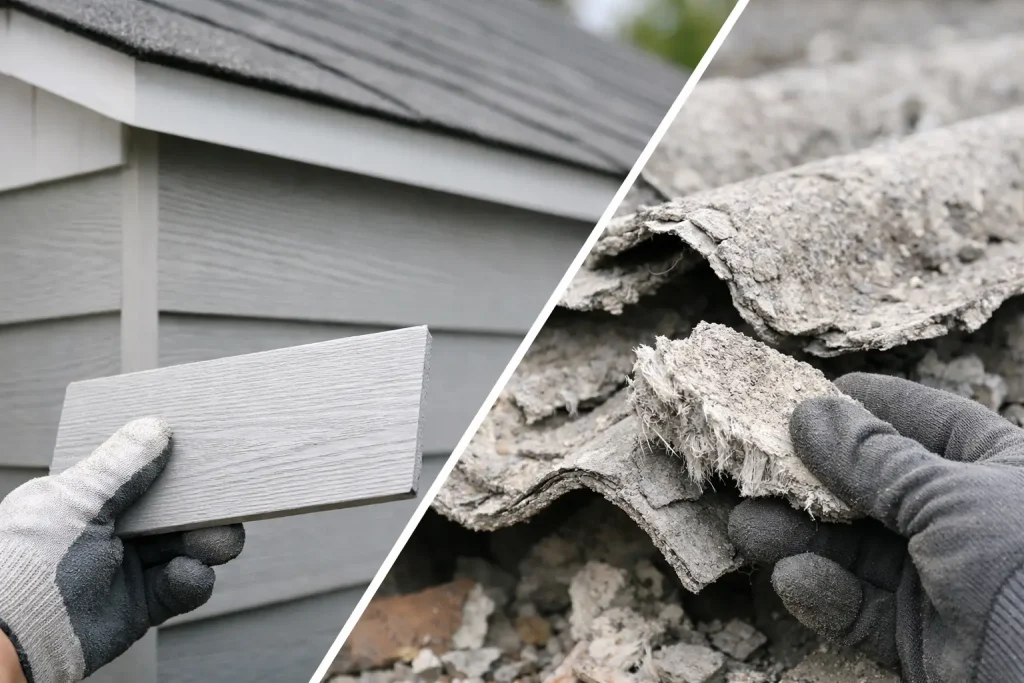
Modern fibre cement is a strong, practical roofing material with no asbestos content. Older asbestos cement sheets are a legacy building material that needs careful management. The two can share a similar corrugated profile, grey finish and brittle appearance, but their safe handling requirements are very different.
Fibre cement vs asbestos: the key difference
Both materials use cement as their main body, which is why old roof sheets can feel heavy and rigid. The difference is in the fibres mixed through that cement.
Older asbestos cement products were reinforced with asbestos fibres. They were widely used on agricultural buildings, garages, sheds, warehouses and outbuildings because they were durable, non-combustible and inexpensive. In the UK, asbestos was banned in 1999, but it remains in many buildings constructed or refurbished before then.
Modern fibre cement uses safer reinforcing fibres, commonly cellulose and synthetic fibres, rather than asbestos. It offers the familiar benefits of corrugated cement sheeting – long service life, good acoustic performance in rain and resistance to rot, rust and corrosion – without the asbestos risk.
For a new agricultural, commercial or domestic outbuilding roof, non-asbestos fibre cement is the clear choice. The challenge is deciding what is already on an existing roof before anybody starts drilling, cutting, stripping or cleaning it.
Can you tell asbestos cement by looking at it?
Sometimes, there are useful clues. They are not proof.
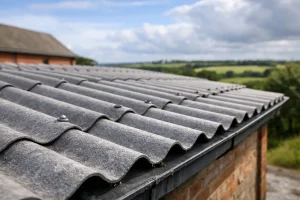
Asbestos cement sheets are commonly grey, off-white or weathered brown, and often have a dimpled or slightly rough surface. They may be fitted with old hook bolts, bitumen washers or fixings that have corroded heavily. On a corrugated roof, lichen growth and years of staining can make any material look much older than it is.
A building date can also point you in the right direction. A roof fitted before 2000 should be treated with caution, particularly if it has never been replaced. However, a newer-looking sheet could have been fitted from old stock, while an older building may have been re-roofed with modern fibre cement. Date and appearance are indicators, not an identification method.
Look for manufacturer markings, labels or paperwork where these are available. Some modern sheets carry clear product information or markings on the underside. Do not climb onto a fragile roof, disturb a sheet or scrape its surface just to find a mark.
The only reliable way to confirm whether a suspect sheet contains asbestos is through appropriate sampling and laboratory analysis. If the roof is due for repair, refurbishment or removal, arrange an asbestos survey or testing by a competent provider before work begins. This is a small step compared with the cost and risk of discovering asbestos halfway through a job.
Why condition matters as much as identification
Asbestos cement is generally classed as a bonded asbestos material. In sound condition, its fibres are held within the cement matrix. Risk rises when the material is damaged, broken, drilled, cut, sanded or aggressively cleaned, because fibres can be released into the air.
That means a roof that is intact and watertight does not automatically need immediate removal. The right decision depends on its condition, location and the work planned around it. A survey may support managed maintenance where the sheets are undamaged and unlikely to be disturbed.
If sheets are cracked, delaminating, heavily moss-covered, sagging around fixings or being affected by a planned conversion, replacement may be the more sensible route. Do not pressure wash an older cement roof. High-pressure cleaning can damage sheets, spread debris and create an unnecessary exposure risk. Dry brushing, sanding and power-tool cutting are also unsuitable for suspected asbestos-containing materials.
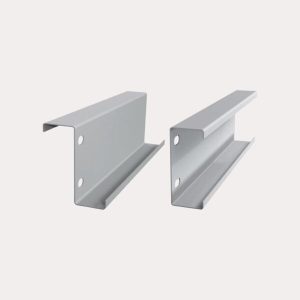
For non-asbestos fibre cement, condition still matters, but for conventional roofing reasons: fixings can loosen, laps can leak and unsupported sheets can crack under load. A professional assessment should consider the roof structure, purlin spacing, roof pitch, sheet profile and flashing details, not simply the sheet material.
Removal is not a standard strip-and-replace job
When asbestos cement needs to come off, the work must be planned properly. The requirements can vary depending on the material condition, scale of the job and local arrangements, but asbestos waste must be handled, transported and disposed of through the correct route. Your local authority or a licensed waste facility can confirm accepted procedures for domestic quantities, while larger or more complex projects often need a specialist contractor.
A competent contractor will minimise breakage, keep sheets whole where possible, use suitable protective measures and package waste correctly. They will also protect the surrounding area from debris. This matters on farms and smallholdings, where a roof may sit close to livestock, feed stores, neighbouring buildings or public access.
Never place suspected asbestos sheets in a normal skip without the provider’s written agreement. Never break sheets down to make them fit into a vehicle. The disposal route should be agreed before removal starts, not after the roof is on the ground.
Choosing a modern fibre cement replacement
Once an asbestos roof has been safely removed, modern fibre cement is a dependable replacement for many low-pitch and agricultural applications. It is particularly well suited to stables, livestock buildings, workshops, storage sheds, garages and light industrial premises where a tough, breathable roofing material is needed.
Unlike metal roofing, fibre cement does not rust. It also reduces the sharp drumming noise associated with rain on steel sheets. Its breathable nature can help manage condensation in naturally ventilated buildings, although it is not a substitute for good building design. Ventilation, insulation, rooflights and the use of the building all need to be considered together.
Profile matching is important. Corrugated sheets are not all interchangeable, and the number, shape and pitch of corrugations affect side laps, flashings and fixings. Measure the existing roof carefully, including sheet length, width, roof pitch, purlin centres and the overlap arrangement. If the roof has hips, valleys, abutments or rooflights, those details should be specified at the same time as the sheets.
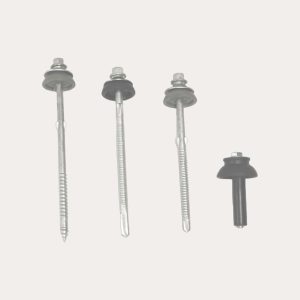
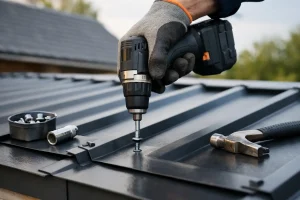
A replacement roof performs best when it is ordered as a complete system. That means the correct fixings and washers, matching flashings, closure pieces where required, ridge components, verge details and rooflights if daylight is needed. Reusing old fixings is a false economy, particularly where corrosion has already started around the holes.
When metal sheets may be the better option
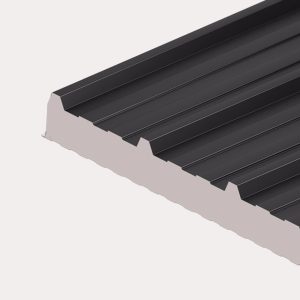
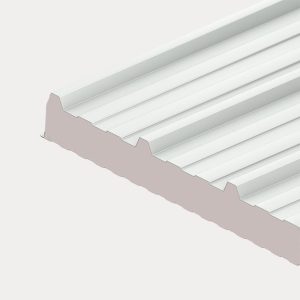
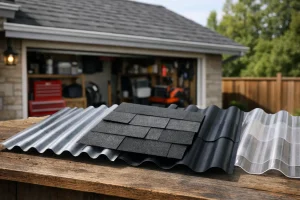
Fibre cement is not the only answer after asbestos removal. Box profile steel sheets can be a quicker, lighter option for garages, workshops and simple outbuildings, particularly where the structure needs a lower roof load. Insulated composite panels may be better for a heated workshop, conversion or commercial space where thermal performance and condensation control are central to the specification.
The choice depends on the building. For an open-sided agricultural shelter, breathable fibre cement can be an excellent fit. For a secure, insulated garden room or working space, an insulated roof system is likely to deliver better year-round comfort. If metal sheets are selected for an uninsulated building, anti-condensation backing or a correctly designed ventilation strategy may be needed.
There is no value in replacing one problem roof with materials that do not suit the use of the building. Specify the sheet type around the structure, environment and expected lifespan, then make sure the accessories support that choice.
Get the roof survey and specification right first
If there is any doubt about an existing cement roof, assume nothing and avoid disturbing it until it has been assessed. A confirmed material type gives you a safe removal plan, a realistic programme and a clear starting point for the replacement roof.
For the new build-up, Roof Sheets Online can help customers match sheets, flashings, fixings and supporting components so the order arrives ready for the job. A few accurate measurements and details about the building can prevent wasted material, delivery delays and awkward site alterations.
The best next step is straightforward: confirm what is on the roof, deal with any asbestos safely, then choose a weatherproof replacement designed for the building you actually have.