A shed roof usually starts leaking or sweating long before the walls give up. That is why choosing the best roof sheets for shed projects matters more than many buyers expect. Get the sheet wrong and you can end up with noise, condensation, short service life or a roof that looks cheap after one hard winter. Get it right and you have a strong, weather-resistant finish that protects tools, livestock feed, machinery or workspace for years.
The right answer depends on what the shed is used for, where it is built and how much performance you need from the roof. A garden storage shed has different demands from a workshop, field shelter or farm outbuilding. Material, profile, coating and whether you need insulation all make a real difference.
For most UK shed roofs, the best sheet is the one that balances durability, weather protection and cost without creating fitting problems. That sounds obvious, but plenty of people buy on headline price alone and only later realise they still need fixings, flashings, closures, rooflights or anti-condensation measures.
A good shed roof sheet should handle British weather without fuss. That means dependable water run-off, good resistance to rust or surface degradation, enough strength for the building span, and a finish suited to the environment. If the shed is in a coastal or exposed location, the coating matters more. If it stores valuable equipment or is used as a workshop, insulation and condensation control move much higher up the list.
Profile choice matters too. Some sheets are better suited to lower pitches, some give a more traditional agricultural look, and some are selected because they are easy to fit quickly across straightforward timber or steel structures.
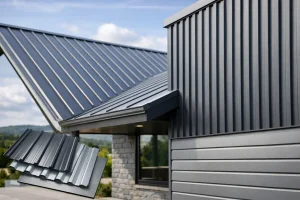
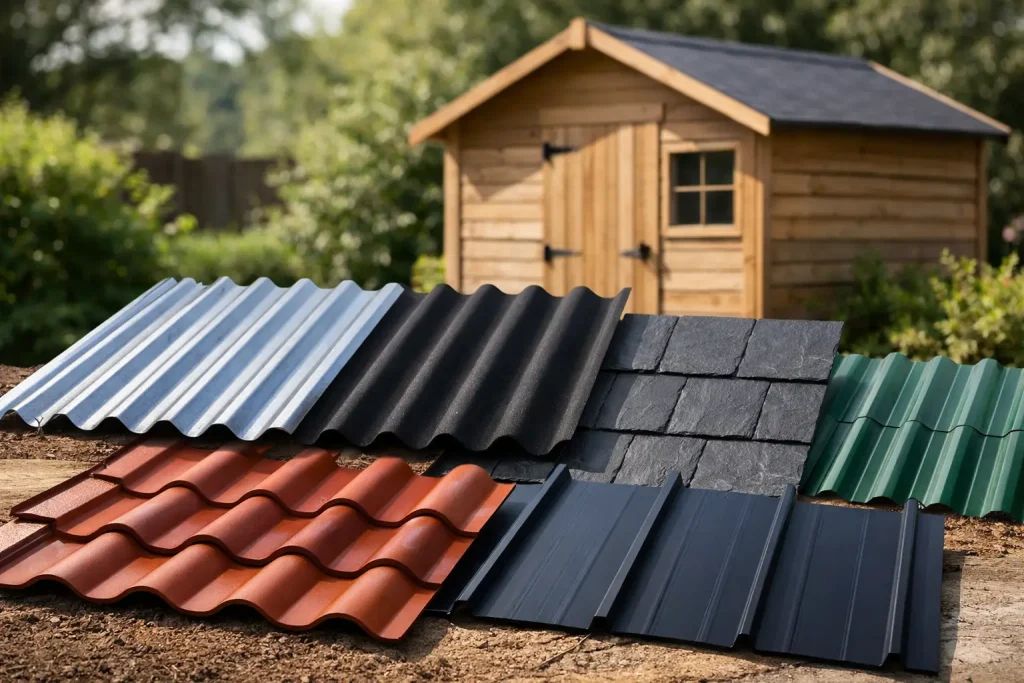
If you want a practical all-rounder, box profile roof sheets are often the first place to look. They are sleek, strong and designed to shed water efficiently. For many domestic, agricultural and light industrial sheds, this profile gives the best mix of appearance, structural performance and value.
Box profile sheets suit buyers who want a modern, clean finish and a roof that can cope with regular UK weather. They are widely used on workshops, garages, stables, storage sheds and larger outbuildings because they are straightforward to specify and install when the structure is prepared correctly.
The finish you choose changes the long-term result. Polyester is usually the more budget-led option and can work well on lower-demand buildings. Plastisol is tougher and better suited where you want extra durability, better scratch resistance and a longer-lasting appearance. If the shed is expected to work hard for years, the upgrade is often worth it.
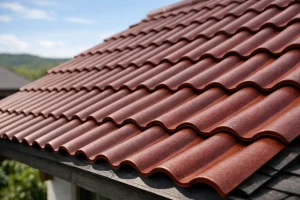
Corrugated roofing sheets remain a solid option for sheds, especially where a traditional look is preferred or budgets are tighter. The wave profile has been used on outbuildings for decades for a reason. It is simple, reliable and effective.
For smaller garden sheds, log stores, animal shelters and basic storage buildings, corrugated sheets can be a very sensible choice. They are often lighter in feel visually than deeper box profile sheets and can suit more rustic settings.
That said, corrugated is not automatically the best choice for every project. If you want a sharper, more contemporary finish, box profile may look more suited. If you are spanning further distances or dealing with a larger commercial-style shed, product specification becomes more important and profile depth should be checked properly rather than guessed.
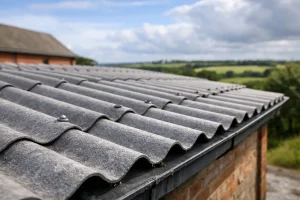
Fibre cement sheets are often overlooked by buyers who go straight to steel, but they can be an excellent shed roofing option. They offer a more natural, muted appearance and are well suited to agricultural, equestrian and rural buildings.
One of the big advantages is performance in damp, variable conditions. Fibre cement is quieter in heavy rain than metal and can be a strong choice where internal condensation is a concern. For stables, livestock buildings and sheds where temperature swings are common, that can make day-to-day use much better.
There are trade-offs. Fibre cement is heavier than lightweight metal sheet systems, so the supporting structure needs to be suitable. It also gives a different look, which may or may not suit the project. But if function matters more than a glossy finish, it deserves serious consideration.
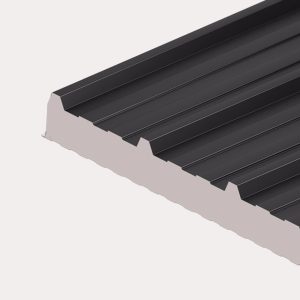
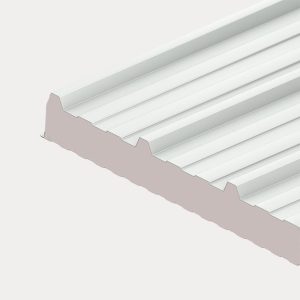
If the shed is more than a basic storage space, insulated panels are often the best roof sheets for shed buildings that need real performance. This is especially true for workshops, garden rooms, secure stores, hobby spaces and commercial outbuildings where people work inside regularly.
An insulated roof panel combines external and internal metal facings with an insulated core. That improves thermal performance, helps control condensation and creates a much more usable internal environment through winter and summer. It can also speed up installation because you are fitting roof sheet and insulation in one system rather than building layers separately.
The upfront cost is higher, so this is not always the answer for a simple mower shed or field store. But if you are already planning to line and insulate the building, insulated panels can make better financial sense than they first appear. They give a neater finish and a more complete roofing solution.
This is where many buying decisions should start. If the shed holds little more than garden tools, bicycles or seasonal items, a standard steel sheet in box profile or corrugated form is often enough. You want strength, weatherproofing and sensible cost.
If the shed stores feed, tack, timber, electrical equipment or anything affected by moisture, condensation control becomes far more important. A cheap sheet can end up costing more if drips damage what is inside. Anti-condensation backing, better ventilation or a move to insulated panels may be the smarter route.
If the shed is a workspace, temperature and noise also matter. Steel sheets are durable and fast to fit, but they can be louder in rain and colder internally unless the building is detailed properly. Fibre cement or insulated systems can offer a better day-to-day environment.
Even the best roof sheets for shed projects will underperform if the roof pitch is wrong or the finishing components are missing. Water ingress is often caused less by the sheet itself and more by poor detailing at the ridge, eaves, verge or laps.
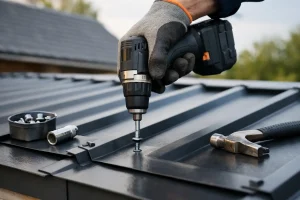
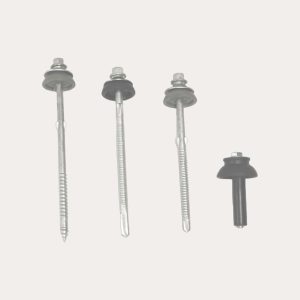
That is why shed roofing should be bought as a full system rather than just a stack of sheets. Correct fixings, foam fillers, flashings, sealants and rooflights all need to work together. This is especially important if you are replacing an old roof and trying to match an existing structure.
Buyers regularly underestimate how much time is lost when accessories are sourced separately. It is slower, it introduces compatibility risks and it can hold up installation. A one-stop approach is usually the safer and more efficient way to get the job finished properly.
Not all steel roof sheets are equal once they are out in the weather. The coating affects lifespan, appearance and resistance to scratches, UV exposure and general wear. For sheds in sheltered domestic settings, a standard finish may be perfectly adequate. For exposed rural sites or buildings expected to stay smart for years, stepping up the finish is often money well spent.
Colour also plays a part beyond appearance. Darker shades can absorb more heat, which may matter for buildings used through summer. Lighter colours can keep the roof surface cooler and sometimes suit agricultural or equestrian settings better visually.
This is one of those areas where the cheapest option can be false economy. If the roof is awkward to access or the building is expected to last, it pays to choose a finish you will not regret in five years.
For a general-purpose shed, box profile steel sheets are usually the strongest all-round choice. They are durable, clean-looking, widely used and available in finishes to suit different budgets and environments.
For a more traditional or budget-conscious build, corrugated sheets can still do an excellent job. For agricultural and equestrian use, fibre cement is well worth considering for its quieter performance and condensation benefits. For workshops and insulated outbuildings, insulated panels are often the best long-term answer.
The key is not chasing a universal winner. It is matching the sheet to the use of the building, the roof structure and the conditions on site. At Roof Sheets Online, that is exactly how we help customers buy – not just the sheets, but the right flashings, fixings and supporting components to get the roof finished without delays or guesswork.
If you are choosing a shed roof now, think beyond the sheet length and price per metre. A roof that is precision-crafted, weatherproof and properly completed will save you hassle long after the order arrives.
Roof Sheets Online Ltd
UNIT C4
MACROME ROAD
Wolverhampton
WV6 9HD
Company No 15150940
Vat No. 4880 70856