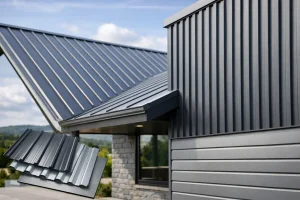
A farm roof usually gets judged on the day the weather turns. When the wind picks up, rain drives sideways and condensation starts dripping over feed, machinery or bedding, the wrong sheet choice shows itself quickly. That is why choosing the right roof sheets for farm buildings matters from the start – not just for weather protection, but for lifespan, maintenance, livestock welfare and the day-to-day practicality of the building.
Farm buildings ask more from a roof than many domestic projects. You may be covering livestock, straw, machinery, grain, fertiliser or a general-purpose shed that has to cope with a bit of everything. Some buildings need maximum ventilation. Others need better insulation or stronger condensation control. The best option depends on what is happening underneath the roof as much as what is falling on top of it.
What matters most with roof sheets for farm buildings
The first thing to get right is the building’s use. An open-sided machinery store has very different demands from a stable block or an enclosed agricultural workshop. If the building is mainly for equipment and dry storage, a strong, weather-resistant profiled sheet is often the sensible route. If animals are housed inside, moisture and internal temperature swings become a much bigger factor.
Span and structure matter too. The roof pitch, purlin spacing and the load the building needs to carry all influence which sheet profile is suitable. A cheaper sheet can stop looking economical if it means tighter support centres, more maintenance or a shorter service life. On farm jobs especially, long-term value usually beats the lowest ticket price.
The local environment also plays its part. Exposed sites, coastal locations and buildings near slurry, livestock housing or chemical storage can be harsher on metal sheets and fixings. In those conditions, coatings and material choice are not a detail – they are part of the specification.
Box profile or corrugated?
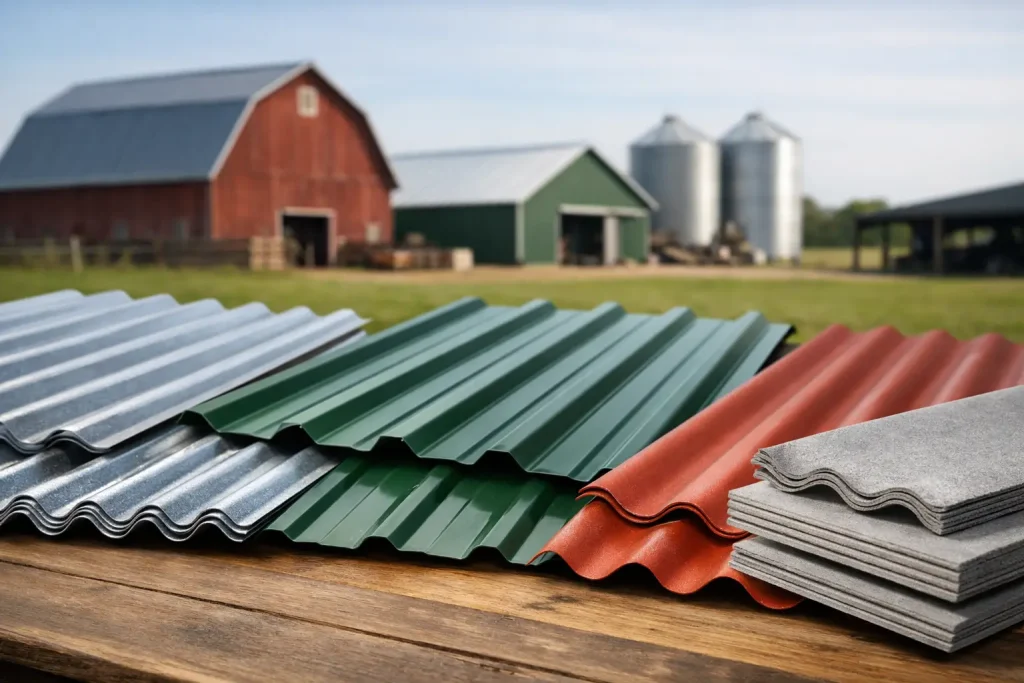
For many agricultural roofs, the conversation starts with profile choice. Box profile sheets are popular because they are sleek, strong and suited to a wide range of farm structures. They give a modern finish, good spanning capability and a practical balance of strength and cost. They are often the first choice for new barns, workshops, stores and mixed-use farm buildings.
Corrugated sheets still have a firm place, particularly where appearance, lower-profile strength or refurbishment compatibility matter. On older rural buildings, corrugated can look more in keeping. It is also a familiar solution for simple outbuildings, shelters and agricultural stores.
Neither profile is automatically better in every case. Box profile often suits buyers who want a straightforward, hard-working roof with clean lines and easy accessory matching. Corrugated can be the better fit where an existing building already uses that profile or where the look of the finished roof matters as much as performance.
Material choice changes the whole job
Material selection affects durability, handling, condensation risk and overall spend. Steel roof sheets are a common choice for farm buildings because they are tough, cost-effective and available in a range of coatings and finishes. A plastisol-coated steel sheet is often a strong all-rounder for agricultural use, giving good weather protection and a tougher surface than lighter decorative finishes.
Polyester-coated sheets can work well on the right project, particularly where budgets are tighter, but they are usually better suited to less aggressive environments. Galvanised finishes can also be practical in some agricultural settings, especially where a more industrial look is acceptable.
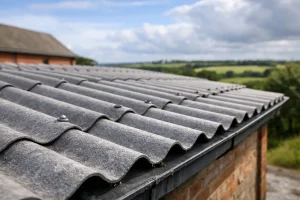
Fibre cement is another option worth serious consideration for farm use. It can perform particularly well where condensation and internal environment are concerns, and it is often chosen for livestock or agricultural buildings because it behaves differently from metal in service. It does, however, come with its own structural and installation considerations, so it needs specifying properly rather than being treated as a direct like-for-like swap.
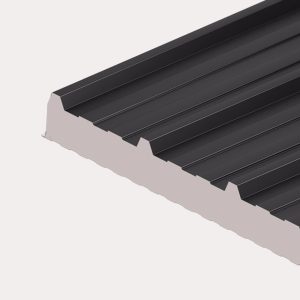
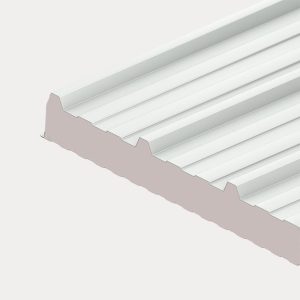
Insulated panels come into their own where temperature control, reduced condensation and a cleaner internal environment are priorities. For enclosed farm workshops, feed stores, processing spaces or premium agricultural buildings, insulated systems can save problems later. They cost more upfront, but on the right building they can repay that through performance and reduced internal moisture issues.
Condensation is where many farm roofs go wrong
A roof can be watertight from above and still cause trouble below. Condensation is one of the most common issues in agricultural buildings, especially where warm, moisture-laden air rises and meets a colder sheet. The result is drips, damp contents, spoiled bedding and an overall building that never quite feels dry.
For livestock buildings, stables and any enclosed space with poor airflow, this needs addressing before you order materials. Anti-condensation backing on profiled sheets can help in the right conditions, but it is not a magic fix for bad ventilation. It works best as part of a wider roof design that considers airflow, ridge details, eaves ventilation and how the building is actually used.
If condensation risk is high, insulated panels or fibre cement may be the better answer. That is where specification becomes more than a product pick. The cheapest sheet on paper can become the expensive choice if it creates an ongoing moisture problem.
Accessories are not extras
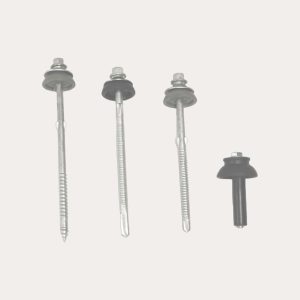
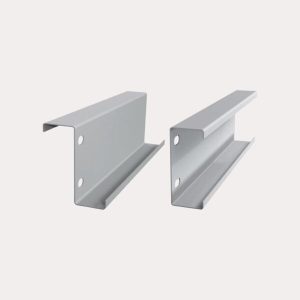
One of the easiest mistakes on a farm roofing project is pricing only the sheets and treating the rest as an afterthought. Flashings, fixings, fillers, sealants, foam closures, rooflights and purlins all affect how the roof performs. Miss one part or choose the wrong type and the whole job can suffer.
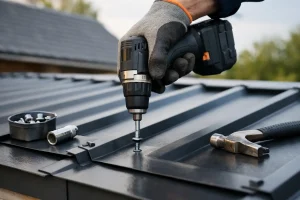
Fixings need to suit both the sheet and the structure beneath. Flashings need to match the profile and finish. Rooflights can be useful in agricultural buildings where daylight improves usability, but they need to be placed sensibly and specified to suit the roof system. Trims and edge details do more than tidy the job up – they help keep weather out and extend service life.
This is where buying from a specialist supplier makes a difference. Getting sheets, flashings and fixings from one place helps avoid mismatched components and saves time on site. It also makes ordering simpler when you are trying to keep a job moving and avoid chasing multiple merchants.
Budget versus lifespan
Everyone has a budget, and agricultural projects often need to work hard for the money. But it is worth separating low initial cost from genuine value. A cheaper thin sheet with a lighter coating may suit a temporary or lightly used building. On a main barn, livestock unit or large machinery store, spending more on the right profile, coating and accessories usually pays off.
Think about access and future maintenance too. A farm roof is not something most buyers want to revisit any time soon. If the building is large, exposed or central to the running of the site, reliability matters more than shaving a small amount off the material cost.
That does not mean every farm building needs a premium insulated roof. It means matching the spend to the importance of the building, the internal conditions and the expected service life. A field shelter and a busy grain store should not be specified in the same way just because both are agricultural buildings.
Getting the specification right first time
The strongest buying decision is usually the one made with a clear picture of the whole build. Start with the building use, then look at profile, material, coating, condensation control and all supporting components. If you know the roof dimensions, pitch and support centres, the product choice becomes much more accurate.
For trade buyers, that may simply mean confirming sheet profile, finish and fixing requirements against the structure. For smallholders or hands-on property owners, a bit of technical guidance early on can prevent expensive errors later. Roof Sheets Online works with both types of customer, which is often exactly what farm projects need – trade-grade products, clear advice and everything required to complete the roof from one supplier.
There is no single best answer for every farm roof. A simple steel box profile may be spot on for one building, while another needs fibre cement or an insulated panel system to handle moisture and temperature properly. The key is to choose a roof that suits the building you have, the conditions it faces and the work it needs to do every day.
If you are planning a farm roof, the smartest approach is not chasing the quickest quote. It is making sure the sheets, fixings, flashings and performance details all line up before the first delivery arrives.