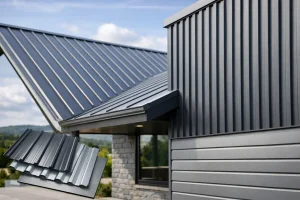
Essex weather is hard on a roof. One week it is driving rain off the coast, the next it is strong sun on an exposed outbuilding, and in winter condensation can become just as much of a problem as the rain itself. That is why buyers looking for corrugated roof sheets in Essex usually want more than a low headline price. They want sheets that are strong, weather-resistant and right for the job first time.
Corrugated roofing remains a reliable choice for garages, sheds, stables, workshops, agricultural buildings and refurbishment projects where durability and straightforward installation matter. It suits both trade buyers who already know the profile they need and homeowners who want a dependable, practical roof without overcomplicating the specification. The key is choosing the right material, thickness, finish and supporting components so the whole roof works as a system.
Why corrugated roof sheets in Essex remain a popular choice
Corrugated sheets have stayed popular for good reason. The profile gives the sheet strength across the span while keeping the product relatively lightweight and manageable on site. That makes it useful for everything from a small garden building through to larger rural and commercial structures.
In Essex, that balance of strength and simplicity matters. Coastal air, wind exposure and periods of heavy rain can quickly show up weaknesses in poorly chosen roofing products. A properly specified corrugated sheet gives solid weather performance, sheds water efficiently and can be installed with the matching flashings, fixings and rooflights needed to finish the job properly.
There is also a cost advantage when compared with more complex roofing systems. If the building does not need a heavily insulated panel and the brief is a practical, long-lasting roof covering, corrugated sheet often gives very good value over time. It is not always the answer, but for many outbuildings and refurbishment projects it is the most sensible one.
Choosing the right corrugated sheet for your project
Not all corrugated sheets are the same, and this is where many buying decisions go right or wrong. The profile might look familiar, but performance depends on the material and finish as much as the shape.
Metal corrugated sheets
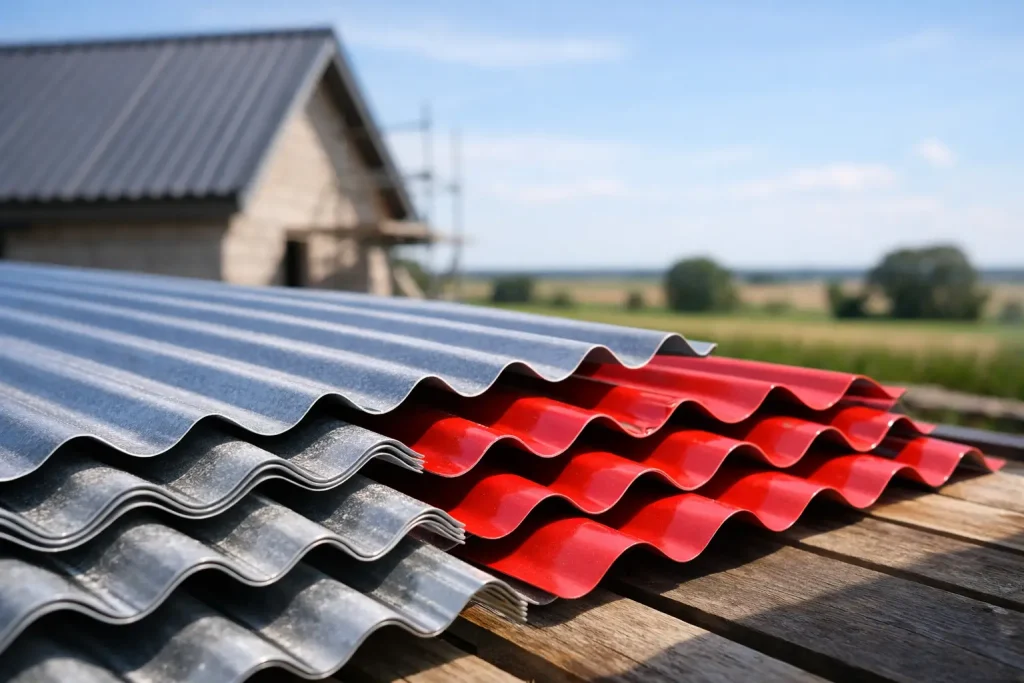
Steel corrugated sheets are a common choice when you need a sleek, strong, weatherproof roof with a good lifespan. They are widely used on garages, workshops, farm buildings and commercial units because they offer a dependable mix of durability and value. If you are refurbishing an older roof, they can also provide a cleaner, more modern finish while keeping installation relatively straightforward.
The finish matters. Polyester is often suitable where budget is a key factor, while plastisol usually offers a tougher, more hard-wearing surface for buildings that need stronger long-term protection. In exposed parts of Essex, particularly where salt in the air can be a concern, coating choice should not be treated as an afterthought.
Fibre cement corrugated sheets
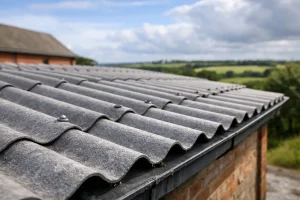
Fibre cement corrugated sheets are another strong option, especially for agricultural and equestrian settings. They are known for their more traditional appearance, sound-deadening qualities and resistance to corrosion. If the building is a stable, barn or rural outbuilding where a softer look and lower rain noise are preferred, fibre cement can make a lot of sense.
The trade-off is weight and handling. Fibre cement is not as light or as quick to cut and fit as some metal alternatives, so the best choice depends on the project, the structure beneath and who is carrying out the installation.
What to check before you order
A sheet can only perform properly if the rest of the roof build is correct. Before ordering, it is worth checking a few basics so you avoid delays, mismatched parts or wasted material.
Start with the roof pitch. Corrugated sheets need to be installed at a suitable pitch for water run-off, and the required overlap can change depending on that pitch. A shallow roof may need greater end laps, which affects the usable cover width and total sheet quantity.
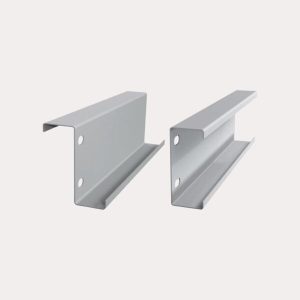
Then check the support structure. Purlin spacing, timber condition and the overall frame all matter. A new sheet installed over weak or uneven supports is still a weak roof. If you are replacing older sheets, measure carefully rather than assuming like-for-like sizing.
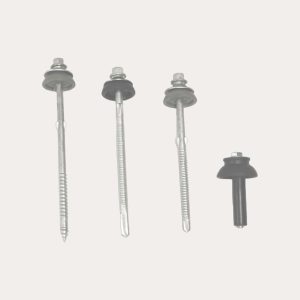
It also pays to think through the full accessory package at the same time. Flashings, fixings, foam fillers, rooflights and sealants are not optional extras added later if the budget allows. They are part of the job. Buying everything together saves time and usually avoids the common problem of sourcing sheets from one place and then scrambling around for compatible trims and fasteners elsewhere.
Getting the finish right for Essex conditions
When customers ask about corrugated roof sheets in Essex, the conversation often starts with dimensions and price. Fair enough. But performance in the local environment should be part of the decision too.
If the building is inland and fairly sheltered, a standard coated steel sheet may be perfectly suitable. If it is in a more exposed coastal area, you may want to move up to a tougher finish or consider a different material depending on the use of the building. Agricultural environments bring their own demands as well, particularly where moisture, ventilation and corrosive conditions are involved.
Condensation is another point that gets missed. A sheet that keeps rain out is only doing half the job if moisture is building underneath. Workshops, garages and animal housing can all suffer from condensation, especially where ventilation is poor or there are temperature swings between day and night. In some cases, an anti-condensation backing or a better-ventilated roof design is worth considering from the start rather than trying to solve drips later.
Installation matters as much as the sheet itself
Even premium sheets can underperform if they are fitted badly. Corrugated roofing is often chosen because it is relatively straightforward to install, but straightforward does not mean careless.
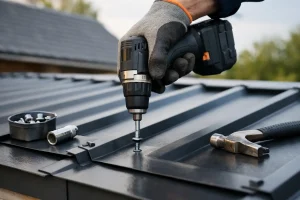
Correct side laps and end laps are essential. So is using the proper fixings in the right position and quantity. Over-tightening can damage the sheet or washer, while under-tightening leaves movement and potential water ingress. Sheets need to be aligned properly from the first run because small errors at the eaves tend to become bigger ones higher up the roof.
Cutting should also be done with care. The wrong method can damage protective coatings and reduce the life of the sheet. If you are ordering for a trade job, getting sheets manufactured or supplied to the right lengths can save time on site and improve the finish. If you are a DIY buyer, accurate measurements and a clear plan before delivery will make the whole job smoother.
Trade buyers and DIY customers want the same thing
Whether you are a roofer ordering for a client or a homeowner replacing a garage roof, the priorities are usually very similar. You want the right profile, the right finish, the right accessories and a delivery date you can plan around.
That is where specialist supply makes a real difference. A one-stop approach is often the most efficient route because it reduces the risk of incompatible parts and wasted time. Instead of piecing a roof together from several merchants, you can source the sheets, flashings, fixings, rooflights and supporting components as one package and get technical guidance if anything needs checking. For many customers across Essex, that is the difference between a job that runs cleanly and one that stalls halfway through.
Roof Sheets Online works in exactly that way – supplying not just the core roofing sheets but the matching components needed to complete the build properly, with practical support and confirmed delivery scheduling to keep projects moving.
When corrugated roofing is the right fit – and when it is not
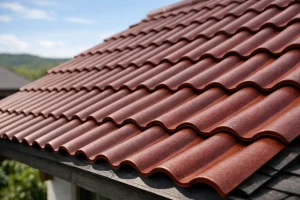
Corrugated sheet is a strong all-round option, but there are cases where another system may be better. If the building needs higher thermal performance, an insulated panel may be more suitable. If appearance is the main driver on a domestic extension, a tile-effect or more architectural profile might be a better match.
That said, for many outbuildings, refurbishments and light industrial or agricultural structures, corrugated roofing still earns its place. It is proven, cost-effective and available in materials and finishes that suit a wide range of budgets and building types. The main thing is not to treat it as a commodity product. Good roofing is about the full specification, not just the sheet.
If you are planning a project in Essex, take a little time to match the sheet to the building, the exposure and the use of the space. Get that part right, and the rest of the job tends to follow much more smoothly.