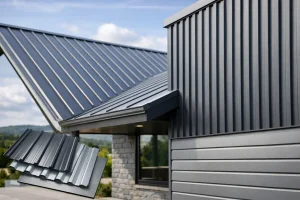
A leaking garage roof in January is not the time to realise you ordered the wrong profile, missed the flashings and forgot the fixings. If you are buying roof sheets in Kent, getting the specification right first time matters just as much as price. Coastal weather, exposed sites and tight project schedules all put pressure on the roof to perform from day one.
Kent covers a wide mix of jobs. One order might be for a garden workshop in Canterbury, the next for stable buildings near Ashford, then a refurb on industrial cladding closer to Medway. The right sheet for one project can be completely wrong for another, so the best buying decision starts with the building use, the roof pitch and how much thermal performance you actually need.
Choosing roof sheets in Kent for the job
The first question is simple. Are you covering an uninsulated outbuilding, upgrading an older roof, or building a space that needs proper thermal control? That decision narrows the field quickly.
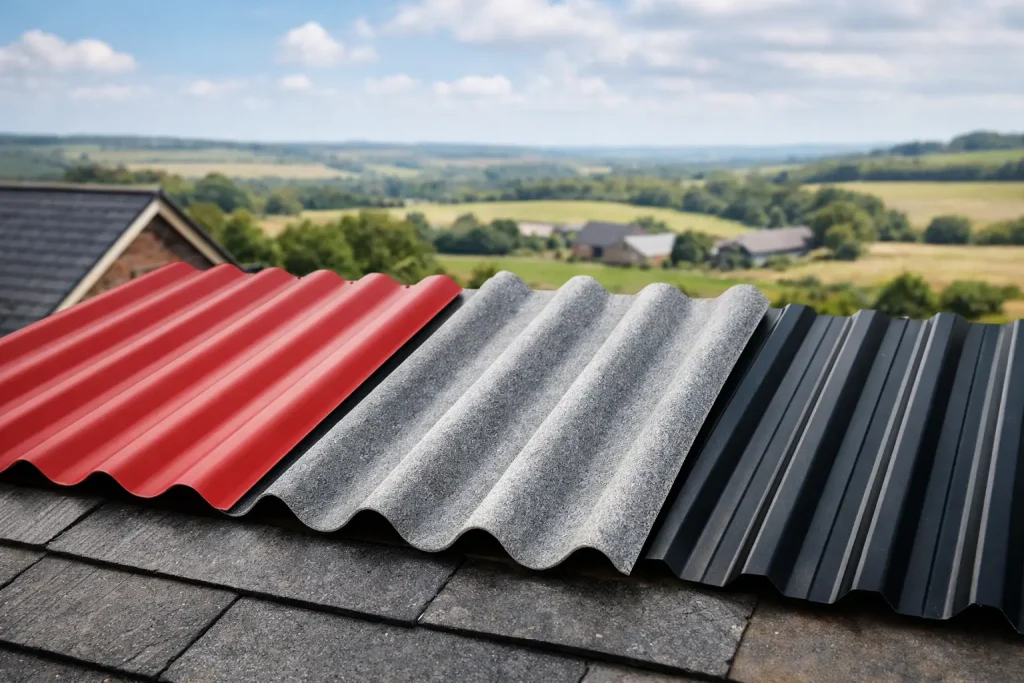
For garages, sheds, workshops and agricultural buildings, steel box profile sheets are often the practical starting point. They are strong, weather-resistant and cost-effective, which makes them a reliable option when you need a clean finish without overcomplicating the build. Corrugated sheets are also popular where a more traditional appearance suits the project, or where matching an existing roof matters.
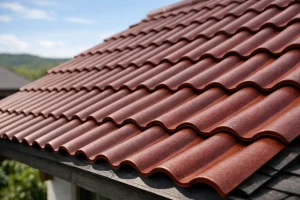
If appearance is higher on the list, tile effect sheets can give you a neater domestic look without the weight and labour of individual tiles. They are often chosen for garden rooms, car ports and smaller extensions where the roof is visible from the house or road.
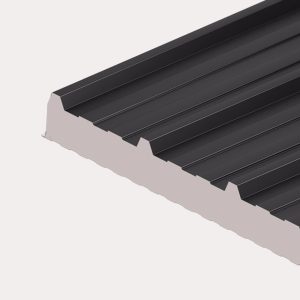
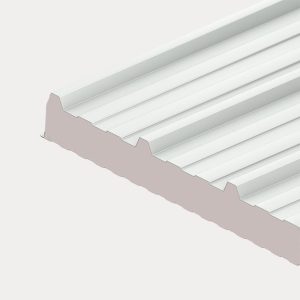
For buildings that need year-round use, insulated panels usually make far more sense than trying to add thermal performance later. A proper insulated roof system helps control temperature, cuts condensation risk and speeds up installation because the insulation and outer sheet arrive as one product. On workshops, commercial units and higher-spec outbuildings, that can save both time and remedial cost.
Material and coating choices that affect performance
Not all roof sheets are equal once the weather turns. In Kent, you may be dealing with open farmland, driving rain, tree cover, or coastal exposure depending on the site. Material choice and finish have a direct effect on service life.
Galvanised steel sheets are a solid option for many agricultural and general-purpose buildings, especially where budget is tight and appearance is secondary. For a smarter finish and stronger long-term resistance, coated steel sheets are often worth the upgrade. Polyester is a common choice for straightforward projects, while plastisol gives a tougher, more durable finish with improved resistance to scratching and wear.
That extra durability can be useful on busy sites where sheets are handled, stored and installed around other trades. It also helps where the building needs to keep looking presentable rather than simply staying watertight. A cheap sheet can stop being cheap if it marks easily, fades early or needs replacing sooner than expected.
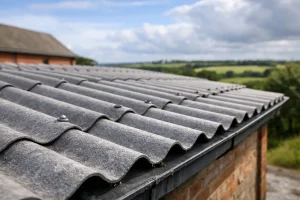
Fibre cement sheets still have their place too, particularly on agricultural buildings where reduced condensation noise and a different aesthetic are preferred. They are not the answer for every project, but they can be a sensible choice where the building type suits them.
Roof pitch, span and sheet profile
This is where many buying mistakes start. Customers often focus on width, length and colour, but roof pitch and structural layout are what determine whether the sheet will actually perform as intended.
Box profile and corrugated sheets have minimum pitch requirements, and those requirements can vary depending on the profile, sheet length and overlap detail. Go too shallow without the right system and water can become a problem. Likewise, unsupported spans need checking properly. A sheet that looks substantial on paper may not be suitable for the centres on site.
This is why trade buyers tend to order the complete system rather than the sheet alone. Sheets, purlins, fixings and flashings all need to work together. If one element is guessed, the whole roof can become harder to install and less reliable once finished.
Why accessories matter as much as the sheets
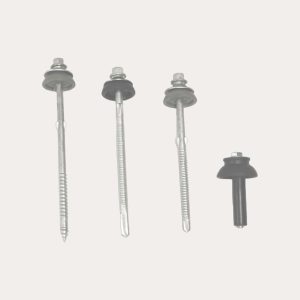
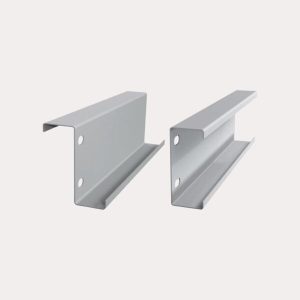
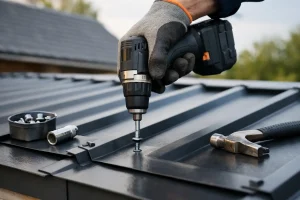
A roof build is never just sheets. You will usually need fixings, foam fillers, side and end laps, ridge flashings, bargeboards, eaves details and often rooflights. If the roof is insulated, you may also need support channels, sealed joints and the correct trims to maintain weatherproofing.
Missing small items causes big delays. A fitter can work around poor weather. They cannot finish the ridge without the ridge flashing. That is why sourcing from one supplier is often the sensible route. It reduces the chance of mismatched components and saves time chasing separate merchants for the final pieces.
Condensation is often the real issue
A lot of customers think they have a leak when what they actually have is condensation. That matters because the fix is completely different.
Single-skin steel sheets on garages, workshops and farm buildings are especially prone to moisture build-up when warm internal air hits a cold roof covering. You see drips, damp patches and sometimes mould, even when the roof sheets themselves are sound.
There are several ways to deal with it, and the right one depends on the building use. Anti-condensation backing can help on basic structures where full insulation is not required. Better ventilation can also make a difference, especially where moisture is generated inside the building. For heated spaces or buildings storing valuable equipment, insulated panels are usually the better long-term answer.
Trying to save money here rarely works. If the building is used daily, houses tools, machinery or livestock, moisture control is not an optional extra. It is part of the specification.
Delivery, lead times and getting the job moving
When people search for roof sheets in Kent, they are often already on a live job. The old roof is off, the client wants dates confirmed, or the weather window is closing. In that situation, stock availability and delivery planning matter just as much as the product itself.
A reliable supplier should be able to confirm what is available, what is made to order and when your materials can arrive. That sounds obvious, but it is one of the biggest differences between a smooth project and a costly hold-up. A competitive price means very little if the sheets turn up late or key components arrive separately days afterwards.
This is where a specialist supplier adds value. Instead of piecing together sheets from one place, fixings from another and flashings from somewhere else, you can order the full package with proper support behind it. Roof Sheets Online is built around that one-stop-shop approach, which suits both trade buyers and capable DIY customers who want fewer moving parts.
What competent buyers check before ordering
Before placing an order, it is worth slowing down long enough to confirm a few essentials. Measure the roof properly, including overhangs. Check the pitch. Confirm whether you need single-skin, anti-condensation or insulated sheets. Think about finish and colour in terms of both appearance and durability.
Then look at the supporting items. How many fixings will be needed? Are purlins already in place, and are the centres suitable for the chosen profile? What flashings are required at ridge, verge and eaves? Will you want rooflights for daylight inside the building? These are the questions that stop surprises on installation day.
It also helps to be honest about the building’s future use. Plenty of customers buy for what the structure is today, not what it will be in a year. A storage shed becomes a workshop. A lean-to becomes a regular working area. A basic farm building starts housing equipment that needs better protection. Spending a little more on the right system at the start can avoid replacing the roof earlier than expected.
A better way to buy roof sheets in Kent
The strongest roofing orders are not always the cheapest on paper. They are the ones that arrive complete, fit properly and keep performing through bad weather, temperature swings and daily use. That usually means choosing the right profile, the right coating and the right accessories together, rather than chasing the lowest sheet price in isolation.
If you are planning a new roof or refurb in Kent, think beyond the sheet itself. Think about lifespan, condensation control, finish, installation time and whether everything needed to complete the job can be supplied in one go. Get that right and the roof stops being a problem to manage and becomes a part of the building you can rely on. If you are unsure, ask the question before you order – it is far easier to adjust a specification than fix a poor one after the sheets are on the roof.