If you are pricing a garage, workshop, farm building or light industrial unit, the choice between insulated panels vs single skin sheets usually comes down to one question – are you buying purely for cover, or are you buying for performance as well? Both systems have their place, but they suit very different buildings, budgets and long-term expectations.
Single skin sheets are the straightforward option. They are widely used, cost-effective and quick to install when you need a weather-resistant outer layer without built-in insulation. Insulated panels cost more upfront, but they combine outer sheet, insulation core and internal liner into one precision-made system. That changes everything from condensation risk to thermal efficiency and internal finish.
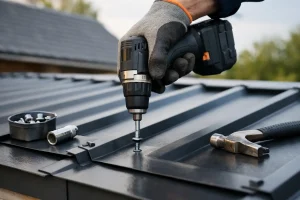
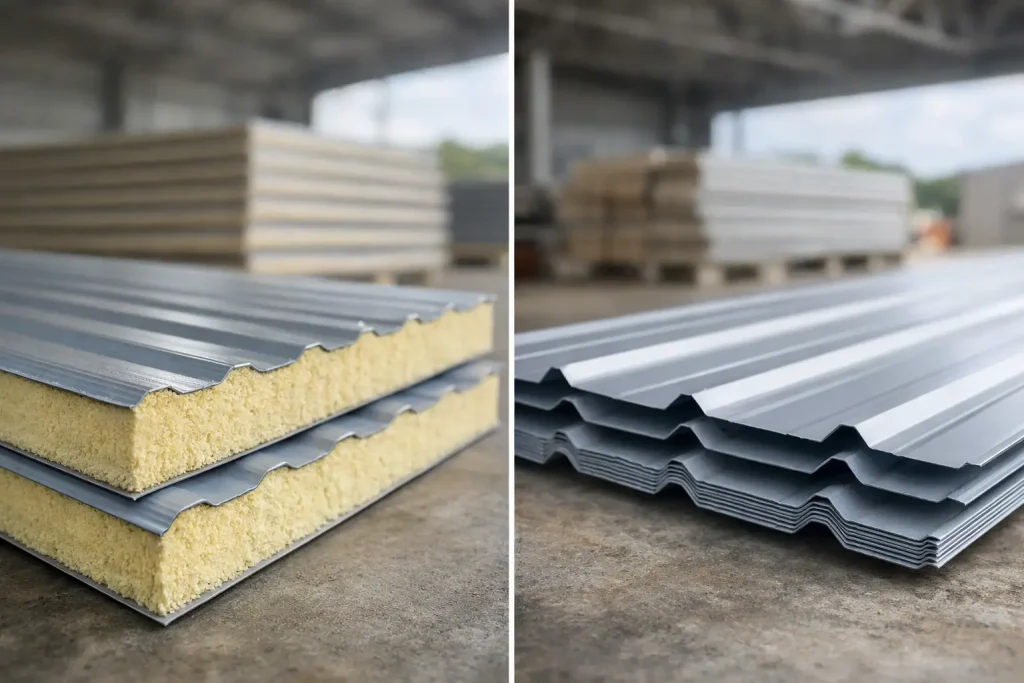
A single skin sheet is exactly what it sounds like – one metal sheet fixed to the roof or wall structure. It gives you external protection and a clean, practical finish, but on its own it does not provide meaningful thermal insulation. If the building needs temperature control or better condensation management, you normally have to add other components.
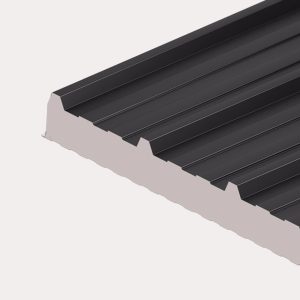
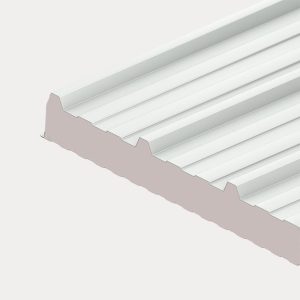
An insulated panel is a composite product made from two metal facings bonded to an insulating core. In practical terms, that means one panel delivers weather protection, insulation and an internal finished face in a single installation. For many buyers, that is the biggest advantage. Instead of building up layers separately, you fit one system that does the full job.
That does not automatically make insulated panels the right answer every time. If you are covering an open-sided structure, a basic storage shed or a simple agricultural building where internal temperature is not a concern, single skin sheets can still be the sensible buy.
This is where many projects are won or lost.
Single skin sheets are cheaper to buy, and that lower material cost is often enough to swing a tight budget. If the project only needs basic shelter from the weather, paying extra for insulation may not make commercial sense. A mower store, hay cover or simple lean-to does not need the same specification as a heated workshop.
Insulated panels carry a higher purchase price because you are buying a more advanced system. The panel includes the insulated core, the internal face and the external weathering surface, so there is more product in every square metre. On paper, that can make them look expensive.
The bigger picture is labour, extras and running costs. If you start with single skin sheets and then try to improve thermal performance later, the build-up becomes more complicated. You may need separate insulation, liner systems, spacers, membranes or additional internal finishing work. That can narrow the price gap quickly. On buildings that are occupied regularly or heated for long periods, insulated panels often make stronger financial sense over time.
If the building is going to be used as a workshop, office extension, commercial unit or any space where people spend time working, thermal performance matters.
Single skin sheets offer very limited resistance to heat loss. In winter, the building gets cold quickly. In warmer weather, solar gain can make the space uncomfortable unless ventilation is well planned. That may be acceptable in a simple shed, but it is far from ideal for occupied buildings.
Insulated panels are designed for this job. They help keep warmth in during colder months and reduce heat transfer from strong summer sun. The result is a more stable internal environment and a building that feels properly finished rather than temporary. For trade customers fitting out working spaces for clients, that difference is often clear from day one.
This is also where specification matters. Panel thickness, core type and intended use all affect performance. A light-use outbuilding may only need a modest panel thickness, while a commercial unit or heavily used workshop may justify a higher-performing insulated system.
For many UK buildings, condensation is the issue that turns a cheap roof into a costly one.
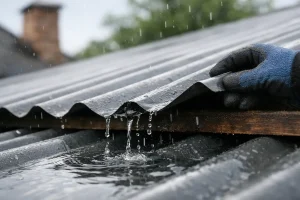
Single skin sheets are much more prone to condensation because the internal face of the metal can become cold very quickly. When warm moist air inside the building hits that surface, moisture forms underneath the sheet. In practical terms, that can mean dripping roofs, damp tools, wet feed, mould growth and a generally poor internal environment.
You can improve this with anti-condensation backing, ventilation design or additional insulated build-up, but those solutions depend on correct specification and installation. They also add cost and complexity.
Insulated panels are generally far better at controlling condensation because the insulated core reduces the temperature difference across the panel. The internal liner face stays more stable, which helps prevent moisture from forming. If the building will house equipment, livestock-related storage, stock, vehicles or anything sensitive to damp, this can be a serious advantage.
There is more than one way to judge installation.
Single skin sheets are familiar to many installers and can be a very efficient choice for straightforward structures. They are lighter than insulated panels and can be easier to manoeuvre in some situations. On a simple agricultural or domestic outbuilding, they may be the fastest route to a weatherproof shell.
Insulated panels are larger, thicker and need careful handling, but they simplify the overall build because they combine multiple functions in one product. Instead of fixing an outer sheet and then adding insulation and internal finishing separately, the installer is fitting one complete panel. On the right job, that can streamline the programme and reduce follow-on trades.
What matters most is matching the product to the build. If you are trying to create a warm, condensation-resistant envelope, insulated panels often save time overall. If you just need a practical roof covering, single skin sheets keep things simple.
A lot of buyers focus on the outside and forget what the inside will look like.
Single skin sheets give a functional interior. That is fine for many sheds, stores and agricultural buildings, but the underside will still look like the back of a profiled metal sheet. If you want a cleaner, brighter internal finish, extra lining work may be needed.
Insulated panels provide a more complete look. The internal liner face gives the building a neater, more professional appearance straight away. For workshops, commercial spaces, garden rooms and smart outbuildings, that can make a real difference. The finish is not just cosmetic either – it can help with light reflectivity, cleanliness and the general feel of the space.
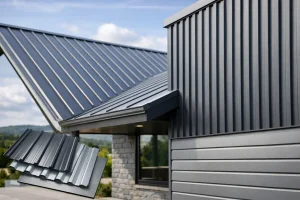
Single skin sheets are often the right choice for open or lightly used buildings where insulation is not necessary. That includes field shelters, machinery stores, log stores, simple garages, canopies and many agricultural applications. They are also a sensible option when the project budget is tight and the main requirement is dependable weather protection.
Used properly, they are sleek, strong and weather-resistant. They are not a compromise if the building simply does not need more.
Insulated panels suit buildings where performance matters. Workshops, stable tack rooms, commercial units, heated garages, extensions and modern outbuildings all benefit from better thermal control and reduced condensation risk. They also make sense where the client wants a precision-crafted, weatherproof system with a cleaner internal finish.
This is especially true when the building will be used daily. If people are working inside, storing valuable items or trying to control internal temperature, insulated panels tend to justify their cost far more easily.
When comparing insulated panels vs single skin sheets, there is no one-size-fits-all answer. It depends on how the building will be used, how often it will be occupied, whether it needs to stay dry internally and how far the budget needs to stretch.
Choose single skin sheets when you need a reliable external covering at the most economical price and insulation is not a priority. Choose insulated panels when you want a roof or wall system that works harder – better temperature control, improved condensation resistance and a more complete internal finish.
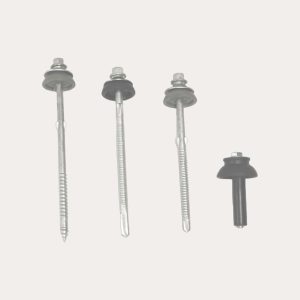
The smartest buying decision is usually made before you order, not after installation. Get clear on the building’s end use, think about moisture and heat loss early, and make sure the accessories are right as well – fixings, flashings, rooflights, trims and support components all matter. That is often where working with a specialist supplier such as Roof Sheets Online saves time and avoids costly mistakes.
If you are still weighing up the options, the best next step is simple: buy for the building you actually need, not just the one that looks cheapest on the first quote.
Roof Sheets Online Ltd
UNIT C4
MACROME ROAD
Wolverhampton
WV6 9HD
Company No 15150940
Vat No. 4880 70856