Derbyshire jobs can be hard on a roof. One week you are dealing with driving rain across exposed ground, the next it is frost, wind, or condensation building up inside a workshop before breakfast. That is why choosing the right roof sheets in Derbyshire is less about picking the cheapest panel and more about getting a complete system that will stand up to the site, the use of the building, and the weather it has to face.
If you are roofing a garage in Chesterfield, recladding an agricultural building near Ashbourne, or replacing tired sheets on a workshop in Matlock, the same rule applies – start with performance, then work back to budget. The right sheet profile, finish and accessories will save time during installation and help avoid the usual problems later, from leaks at laps to sweating on the underside.
What matters when buying roof sheets in Derbyshire
A lot depends on what you are covering. A simple log store or open-fronted shelter has very different demands from a heated unit, stable block or busy farm building. On some projects, basic weather protection is enough. On others, insulation, anti-condensation protection and a smarter finish all matter.
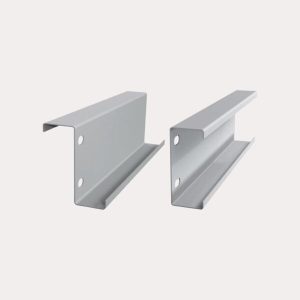
Exposure is a big factor across Derbyshire. Higher and more open locations can see stronger wind loads and harsher weather than more sheltered town sites. That affects sheet thickness, fixing pattern, overlap detail and sometimes the profile you choose. It is also why buying just the sheets is rarely the best route. Flashings, fixings, foam fillers, sealants, rooflights and purlins all play a part in whether the roof performs properly once it is on.
For trade buyers, this is usually about speed and getting the spec right first time. For homeowners and smallholders, it is often about reassurance – knowing you have not missed a component that holds the whole job up.
Which roof sheet type suits the job?
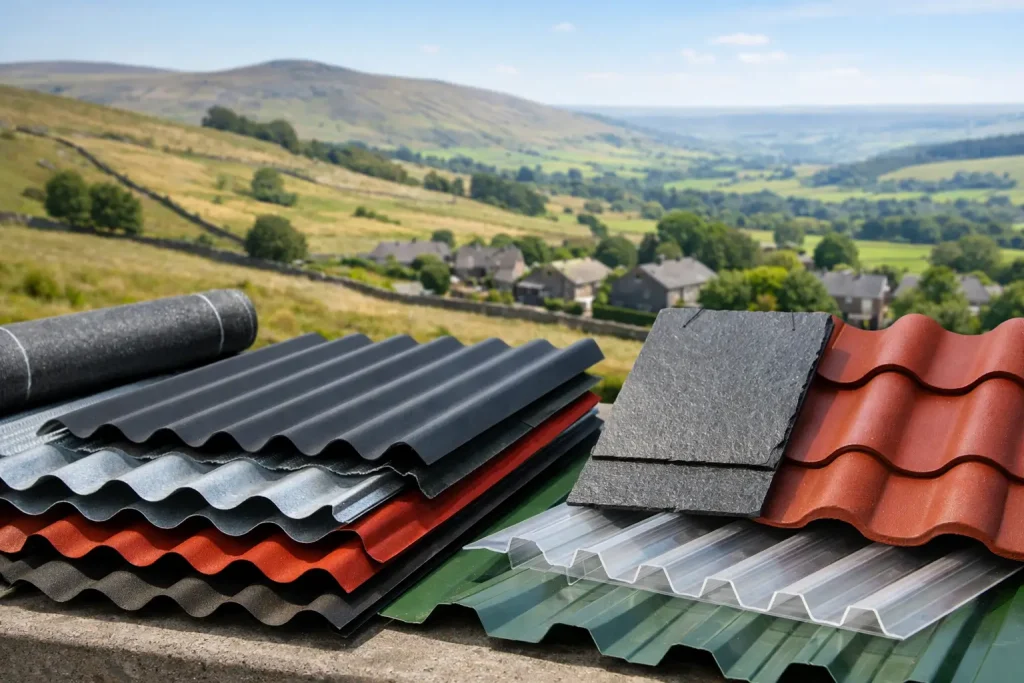
There is no single best sheet for every building. The right option depends on span, appearance, insulation needs and how much abuse the roof is likely to get over time.
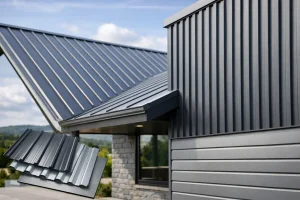
Box profile remains one of the most popular choices for domestic, commercial and agricultural use because it gives a clean, modern finish and strong all-round performance. It suits garages, workshops, industrial units, garden buildings and refurbishments where you want a sheet that looks tidy and handles the weather well.
It is also a practical option for buyers who want straightforward installation and good value. In many cases, it gives the best balance between strength, appearance and cost.
Corrugated roofing still has a firm place, especially on agricultural buildings, traditional outbuildings and projects where appearance leans more rural than modern. It is reliable, recognisable and often a sensible choice for lower-cost jobs or where an older building style needs to be respected.
The trade-off is that some buyers prefer the sharper look of box profile, and specification can vary depending on the span and supporting structure.
Insulated panels
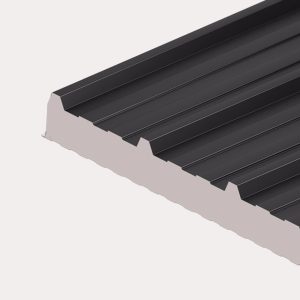
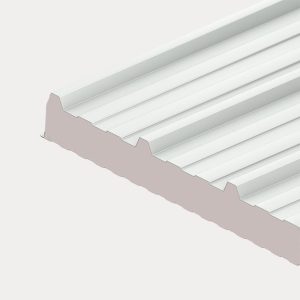
If the building is used daily, stores temperature-sensitive items, or needs to control condensation properly, insulated roof panels are often the smarter long-term option. They cost more upfront, but they combine outer sheet, insulation core and internal liner in one system, speeding up installation and improving thermal performance.
For workshops, commercial units, farm buildings with occupied areas and higher-spec refurbishments, insulated panels can make a real difference. They are especially useful where a cold, dripping roof would create problems for stock, tools or day-to-day use.
Fibre cement and other specialist options
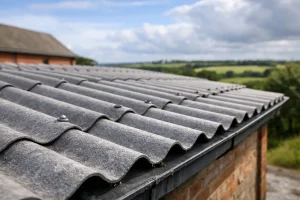
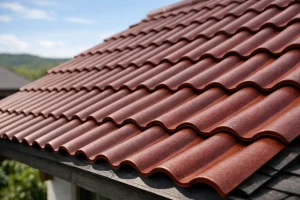
Fibre cement can be a strong fit for agricultural settings where sound reduction and a more traditional appearance matter. Other products, such as flat sheets, rooflights and tile-effect systems, suit more specific applications. The key is not to force one product into every build. A roof works best when the material matches the building.
Coatings, finishes and lifespan
Not all steel sheets are equal. The base material matters, but so does the coating. If you want long-term value, pay attention to the finish rather than treating it as a cosmetic extra.
Polyester is often chosen for cost-effective projects where budget is tight and the environment is not especially aggressive. Plastisol is a tougher, thicker finish that suits harsher conditions and buyers who want stronger resistance to weathering and wear. Galvanised options also have their place, particularly on functional buildings where appearance is less important.
In Derbyshire, where roofs can face persistent rain, cold spells and exposed conditions, spending a little more on a stronger finish often pays back. It can extend service life, keep the building looking better for longer and reduce the chances of premature maintenance.
Condensation is not a small issue
A roof can be fully waterproof from above and still cause trouble underneath. Condensation is one of the most common issues on garages, sheds, workshops and farm buildings, especially where there is poor ventilation or warm air meets a cold sheet.
If the building stores tools, feed, machinery, timber or anything affected by moisture, you need to think about this before ordering. Anti-condensation backing on suitable sheets can help in the right setting. Insulated panels may be the better answer on occupied or heated buildings. Good ventilation detail also matters, because no coating or backing should be expected to fix a poorly planned structure on its own.
This is where practical advice makes a difference. A buyer may start by asking for standard steel sheets, but once the use of the building is clear, the better answer may be a different specification entirely.
Do not treat accessories as an afterthought
A lot of roofing problems begin at the edges, laps and penetrations rather than through the sheet itself. That is why a complete order matters. If you only price the panels and leave the rest until later, the job usually becomes slower, messier and more expensive.
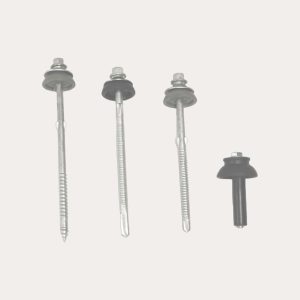
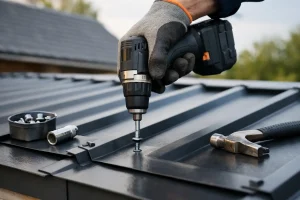
You will normally need the correct fixings for the sheet and structure, matching flashings, fillers, sealants and often rooflights or trim details to finish the build properly. On some projects, purlins or support components are part of the same conversation. Getting it all from one specialist supplier cuts down on mismatch, delays and last-minute substitutions.
For trade installers, that means fewer surprises on site. For DIY buyers, it means less risk of ordering the wrong screws or forgetting an essential closure detail until the roof is half fitted.
Delivery and stock matter more than most buyers expect
Roofing projects rarely have much slack in the programme. If sheets arrive late, the whole job can stall. If accessories arrive separately or the wrong profile turns up, labour is wasted and weather risk goes up fast.
That is why stock depth and delivery coordination are part of the product offer, not just admin. Buyers across Derbyshire often need materials on a specific date, particularly on refurbishments where the old roof is coming off and the building cannot be left exposed. Clear lead times, reliable dispatch and confirmation of delivery timing are worth real money on live jobs.
This is one reason many customers prefer a single-source supplier rather than mixing materials from several merchants. It keeps the order cleaner and makes it easier to check compatibility across the whole system.
A quick way to narrow down the right choice
If you are unsure what to order, start with four questions. What is the building used for? Is it insulated or uninsulated? How exposed is the site? And do you want the roof to be purely functional or also look smart and finished?
A field shelter or open agricultural bay may be well served by a straightforward sheeted solution. A garage or workshop often benefits from a stronger finish and better condensation control. A commercial or high-use building may justify insulated panels from the outset. Once those basics are clear, profile, thickness, finish and accessories become much easier to pin down.
For many buyers, the best route is to speak to a specialist supplier who can sense-check the job before you place the order. That is especially useful when dimensions, roof pitch, support spacings or flashing details are not completely straightforward.
Roof Sheets Online is built around that practical approach – quality sheets, the right supporting components, and proper help when the specification needs checking.
A roof is only as good as the decisions made before the first sheet is fixed. If you are ordering for a Derbyshire project, take a few extra minutes to match the product to the building, the site and the finish you actually need. It usually means a smoother install now and fewer headaches once the weather turns.