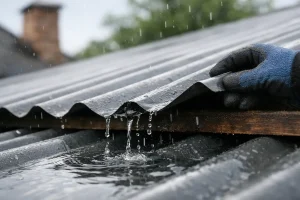
A garage roof can be the difference between a space you use properly and one you avoid for half the year. If your garage swings from freezing in winter to stifling in summer, or you are forever wiping away drips from the underside of the roof, insulated roof panels for garage projects are usually worth a serious look.
They are not just about making the space warmer. A good insulated panel roof helps with condensation control, noise reduction and a cleaner internal finish, all while giving you a strong, weather-resistant outer sheet. For tradespeople, that means faster installation and fewer components to juggle. For homeowners, it often means one roof build that solves several problems at once.
Why insulated roof panels for garage use make sense
A standard single-skin metal roof will keep rain out, but that is only part of the job. On many garages, especially those used as workshops, storage spaces or hobby rooms, the bigger issue is what happens underneath. Warm air meets a cold roof sheet, moisture forms, and before long you have condensation, damp tools, mould risk and an unpleasant working environment.
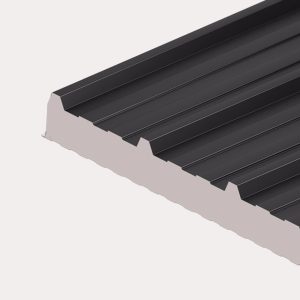
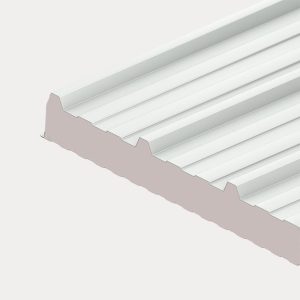
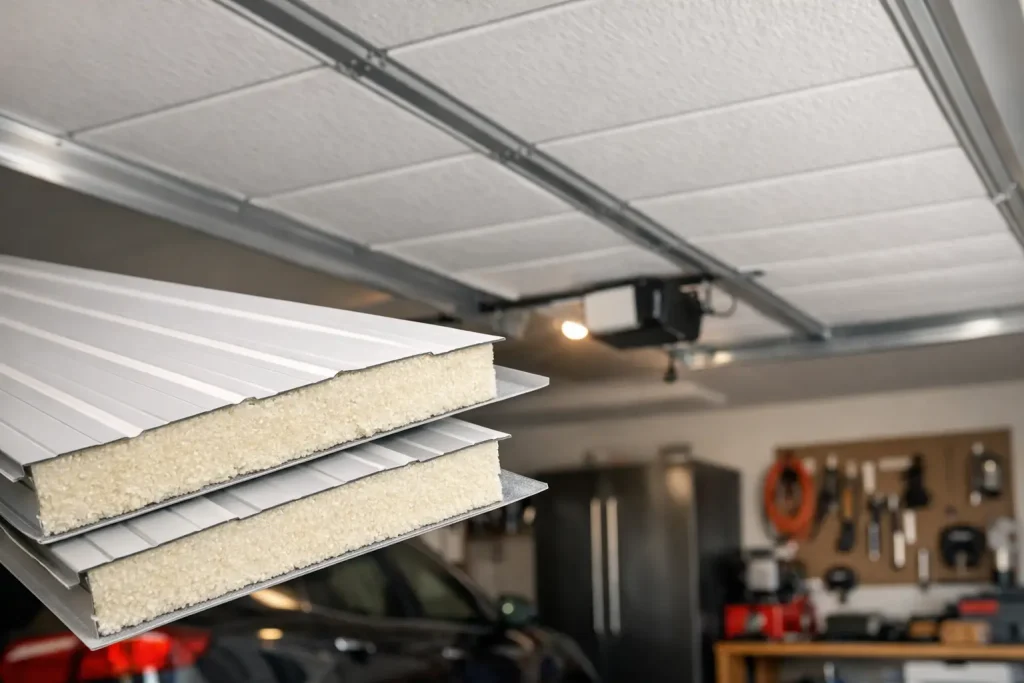
Insulated panels tackle that by combining an outer sheet, an insulating core and an internal liner into one precision-made product. That built-in structure is what makes them such a practical option. You are not fitting separate layers and hoping they all work together on site. The panel arrives as a complete roofing element, designed to perform as a system.
For a garage that stores vehicles only, insulation may still be worthwhile if you want to reduce condensation and protect contents. If the garage doubles as a workshop, home gym, plant room or utility area, the case becomes stronger. Once people are spending real time in the space, temperature stability matters much more.
What benefits do you actually get?
The first is thermal performance. Insulated roof panels help keep heat in during colder months and reduce solar gain in warmer weather. That does not turn a basic garage into a fully conditioned room on its own, but it does make the space far more usable.
The second is condensation control. This is one of the biggest reasons buyers move away from single-skin sheets. If you have ever opened a garage to find moisture on the underside of the roof or damp cardboard boxes and rusty tools, you already know the problem. Properly specified insulated panels greatly reduce that risk.
The third is speed. Compared with building up multiple layers, insulated panels are efficient to install. That matters on site because labour time counts, and it matters for competent DIY buyers because the process is easier to manage when the roof system is simpler.
There is also the finish. A garage roof built with insulated panels tends to look neater internally because you have a proper liner rather than exposed rafters and the underside of a basic sheet. If the garage is attached to the house or in clear view of the garden, that cleaner result can make a real difference.
When they are worth the extra cost
Insulated panels do cost more upfront than basic roof sheets. That is the trade-off, and there is no point pretending otherwise. If you are reroofing a very simple detached garage used only for occasional storage, and cost is the only driver, a single-skin system may still suit the job.
Where insulated panels start to pay back is in garages that need to do more. If you are storing tools, machinery, stock, bicycles or household items, protecting them from moisture has value. If you heat the garage even occasionally, insulated roofing helps that heat stay where you need it. If the garage sits near a boundary or attached to a living space, reduced rain noise can also be a plus.
The tipping point is usually use. The more often the garage is occupied, the more sensible insulated panels become.
Choosing the right panel thickness
Thickness should match how the garage will be used, not just what seems cheapest or heaviest. A lightly used domestic garage may only need a modest insulation level, while a workshop or multi-use outbuilding will often justify a thicker panel.
Thinner panels can work well where the aim is mainly to cut condensation and improve the internal environment. Thicker options are better where thermal performance matters more, particularly if the space may be heated or used year-round.
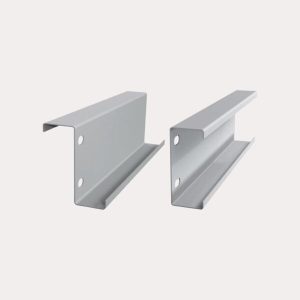
Span also matters. Roof design, support centres and imposed loads all affect specification. This is where buyers can come unstuck if they focus only on panel price and ignore the wider build-up. The roof has to work structurally as well as thermally. That is why it helps to buy from a specialist supplier who can advise on panels, fixings, flashings and the supporting components as one package.
Profile, finish and appearance
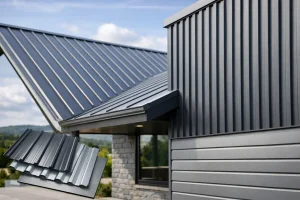
Most garage buyers want something strong, low-maintenance and tidy. Box profile insulated panels are a popular choice because they give a clean, modern look and reliable water-shedding performance. The external coating also matters, especially in exposed locations or where appearance is important.
If the garage is part of a larger property, matching the roof finish to nearby buildings can make the whole project look more considered. Darker colours often suit contemporary homes, while more traditional shades can sit better alongside older brickwork or agricultural-style buildings.
Inside, the liner finish gives a brighter and more professional appearance than an open roof build-up. That is useful in workshops and service areas where visibility matters.
Installation details that should not be overlooked
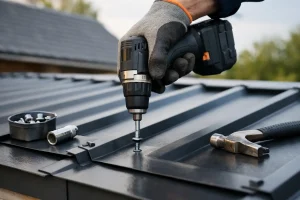
Even the best insulated panel will not perform properly if the detailing is poor. End laps, side laps, fixings, flashings and closures all need to be right. A garage roof is a relatively straightforward structure, but weatherproofing still depends on the small components.
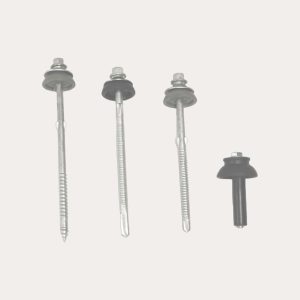
This is where many projects benefit from the one-supplier approach. Ordering the roof sheets alone is only half the job. You also need the correct fixings, trims, barge boards, foam fillers and flashings to finish the roof properly. Miss one of those items and the job slows down, or worse, gets patched together with whatever is available locally.
Roof pitch is another key factor. Some insulated systems have minimum pitch requirements, and these must be followed. Go too shallow without the right specification and water run-off becomes less reliable. On a garage, where people often want a simple lean-to or low-pitch design, this needs checking early rather than on fitting day.
Are insulated panels better than built-up alternatives?
For many garage projects, yes. A built-up roof using separate sheets, insulation and liners can work, but it involves more labour, more interfaces and more scope for error. Insulated panels are popular because they simplify the process and deliver predictable performance.
That said, there are situations where a built-up system suits the structure better or aligns with an existing roof. Refurbishment work can sometimes be more complicated than a new build, especially where dimensions, wall levels or support spacing are irregular. The right answer depends on the building you have, not just the roof you would ideally like.
Who should consider them most?
If you are a builder or installer, insulated panels make sense when the client wants a faster, cleaner roof system with dependable thermal performance. If you are a homeowner upgrading a garage into usable space, they are often one of the most effective improvements you can make.
They are especially well suited to workshops, garden garages used year-round, secure storage buildings, hobby spaces and garages attached to the house. They are also a strong option for small commercial or agricultural outbuildings where durability and condensation control matter just as much as appearance.
For buyers across Great Britain who want trade-grade materials without chasing multiple merchants, sourcing the complete system from a specialist such as Roof Sheets Online can remove a lot of friction from the job. Getting the panels, flashings, fixings and support advice lined up together usually saves more time than people expect.
The real question is how you use the garage
If your garage is little more than a weatherproof box for overflow storage, insulated roofing may be more than you need. But if you want the building to stay drier, perform better and feel like a proper working space rather than a cold shed with a door, insulated roof panels are hard to beat.
The best garage roof is not always the cheapest one on day one. It is the one that fits quickly, stands up to British weather and keeps the space useful long after the install is finished. If you are planning the job now, it is worth choosing a roof system that does more than simply cover the top.