Lincolnshire weather does not give roofing materials an easy ride. Open farmland, exposed coastal stretches, sharp winds and long damp spells all put pressure on a roof, especially on garages, workshops, stables and agricultural buildings. If you are buying roof sheets in Lincolnshire, getting the specification right matters just as much as getting the size right. A sheet that looks cheaper on day one can cost more in repairs, condensation problems or early replacement later on.
The good news is that most roofing issues are avoidable when the sheet profile, coating and accessories are chosen to suit the building. That is where a practical, trade-led approach saves time. Instead of picking a sheet on price alone, it makes more sense to look at what the building is for, how exposed the site is, what insulation or anti-condensation control is needed, and whether you want a straightforward overclad or a full new roof system.
What matters most when choosing roof sheets in Lincolnshire
The first question is not colour or profile. It is usage. A small garden shed has very different demands from a livestock building or a commercial unit. If the building is cold and uninsulated, a simple steel sheet may be enough. If it is used daily, stores tools, houses animals or needs a cleaner internal environment, condensation control and insulation quickly become more important.
Lincolnshire projects often fall into a few common categories. Domestic outbuildings usually need an affordable, tidy-looking sheet that is easy to fit and strong enough for year-round weather. Agricultural buildings tend to need wider coverage, dependable corrosion resistance and a practical finish that stands up to hard use. Workshops, industrial units and refurbishments often call for insulated panels or a more complete system with flashings, rooflights, purlins and fixings all matched correctly.
That is why there is no single best product for every job. It depends on span, pitch, building use, budget and exposure. A roof on the coast near Skegness may need more thought around durability than the same size structure further inland. Equally, a stable roof has different ventilation and condensation concerns compared with a storage shed.
Box profile, corrugated or insulated?
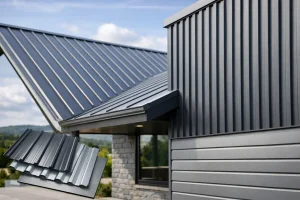
Box profile sheets are one of the most common choices because they offer a strong balance of appearance, strength and value. They suit garages, workshops, light industrial roofs, canopies and many agricultural jobs. Their modern lines give a cleaner finish than older styles, and they work well where you want a practical sheet with good spanning capability.
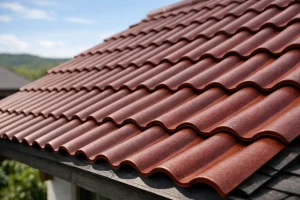
Corrugated sheets remain popular for traditional agricultural buildings, stores, shelters and refurbishment work. They have a familiar appearance and can be a very sensible option where looks need to match an existing roof or where a simpler profile is preferred. On some projects, corrugated is also the easier route when replacing older sheets without completely changing the character of the building.
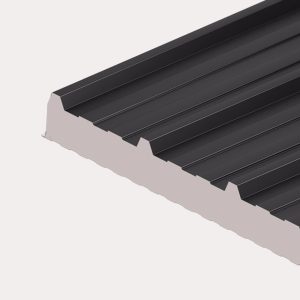
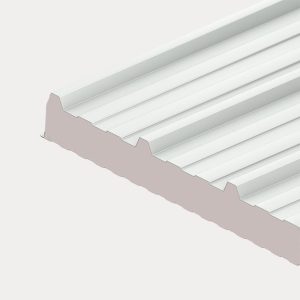
Insulated roof panels are the stronger choice when thermal performance matters. If the building is used as a workshop, garden room, commercial unit or any space where internal comfort and condensation control are important, insulated panels can save a lot of trouble later. They cost more upfront, but they reduce heat loss, help limit internal drips and create a more usable building all year round. For many buyers, that extra spend is justified quickly.
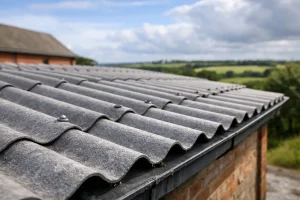
Fibre cement can also suit some agricultural and industrial settings, particularly where a non-metal alternative is preferred. It has its place, but it will not be right for every project. Weight, support structure and installation method all need checking before you commit.
The finish matters as much as the sheet
A roof sheet is not just steel shaped into a profile. The coating plays a big part in how it performs over time. Polyester options can work well for cost-conscious projects, especially where conditions are less demanding. Plastisol is often the stronger long-term choice where you want a tougher, more durable finish with better resistance to weathering and wear.
For Lincolnshire sites exposed to driving rain, wind and general rural grime, paying attention to finish is worthwhile. A slightly lower initial price can be less attractive if the roof fades faster, marks easily or does not last as long as expected. Trade buyers usually look past headline sheet cost for exactly this reason.
Condensation is where many roofs go wrong
One of the most common mistakes on outbuildings and workspaces is treating condensation as an afterthought. Cold metal roofs can form moisture underneath when warm air rises and meets the sheet. That leads to drips, damp stored goods and an internal environment that never quite feels dry.
If the building is only for occasional storage, you may accept some seasonal condensation risk. But if you are keeping equipment, feed, timber, machinery or anything moisture-sensitive inside, it is worth addressing from the start. Anti-condensation backing can help on some sheeted roofs. Better ventilation also plays a part. On higher-specification buildings, insulated panels are often the cleaner answer because they tackle the problem more effectively.
This is one area where buying the full roof package makes life easier. Sheets, fixings, fillers, flashings and rooflights all need to work together. Missing one small component can create weak points for water ingress or air leakage.
Accessories are not optional extras
A roof rarely fails because the main sheets were poor. More often, problems start at laps, verges, ridges, eaves or around poorly matched fixings. That is why the supporting components matter so much. If you are pricing roof sheets in Lincolnshire, it makes sense to budget for the whole system rather than the sheets alone.
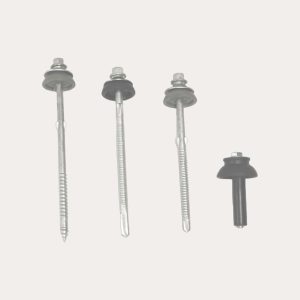
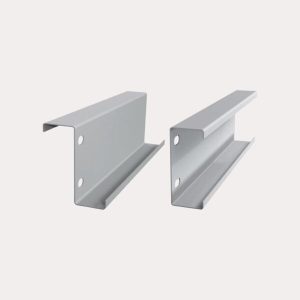
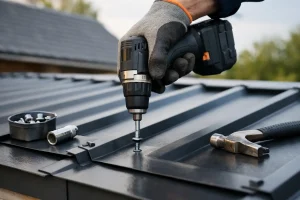
Correct fixings are essential because they need to suit the sheet type and the structure below, whether timber or steel. Flashings keep edges and junctions weatherproof. Foam fillers help close gaps at profile ends. Rooflights bring useful daylight into workshops and agricultural buildings without needing to overcomplicate the build. Purlins and structural supports also need to match the spans and loads involved.
Trying to source all of this from different places can slow the job down and increase the chance of mismatched components. A one-stop approach is usually more efficient, especially when deadlines matter and you want confidence that everything arriving on site belongs together.
Measuring and ordering without expensive mistakes
Roofing sheets are not a product you want to order twice. The most common ordering issues are incorrect lengths, forgotten flashings, wrong fixings and underestimating side laps or end laps. On a simple mono-pitch roof, measuring may be straightforward. On more complex roofs with hips, changes in pitch or abutments, a quick assumption can become a costly delay.
It helps to work backwards from the roof layout rather than just the building footprint. Think about the direction the sheets will run, where overlaps fall, whether you need rooflights, and how rainwater leaves the roof. Also consider access. Long sheets can reduce overlaps and speed fitting, but they need to be handled safely on site.
For refurbishments, the existing structure should not be taken for granted. Check that purlin spacing, support condition and roof pitch are suitable for the new system. Re-sheeting over a weak or uneven base is false economy.
Fast delivery matters on working jobs
For trade customers and project managers, timing is often as important as price. If the frame is up and the roof is not on, the rest of the job can stall quickly. That is why stock availability and delivery coordination matter. A supplier that confirms delivery dates and helps you get the specification right before dispatch saves real hassle on site.
This is especially useful when the order includes more than just sheets. Flashings, fixings, rooflights and trims all arriving together make the install smoother. Roof Sheets Online takes that practical approach seriously, which is why customers who want trade-grade materials without chasing multiple merchants tend to value the service as much as the product itself.
Getting the right roof for the long term
The best roof sheet is not always the cheapest, the thickest or the one somebody else used on a different building. It is the one that suits the structure, the site and the way the building will be used. In Lincolnshire, that usually means thinking carefully about exposure, condensation, finish durability and whether the project needs basic single-skin sheeting or a fully insulated system.
If you get those decisions right at the start, the rest of the job becomes far simpler. You end up with a roof that is strong, weather-resistant and built to last, rather than one that needs attention every time the weather turns. If you are unsure between two options, ask the question before you order – it is far easier to choose correctly now than to fix a roof that was never properly specified.