
Norfolk weather is hard on a roof. Coastal air, driving rain across open ground and exposed agricultural or domestic buildings all put sheeted roofing under pressure. If you are sourcing roof sheets in Norfolk, the right choice is not simply about price per sheet. It is about profile strength, coating life, condensation control and making sure every flashing, fixing and trim arrives together so the job does not stall halfway through.
That matters whether you are replacing a garage roof in Norwich, cladding a farm building near King’s Lynn or covering a workshop on the coast. A roof sheet that works well on one project can be the wrong fit for another, especially when span, pitch, building use and insulation requirements all change the specification.
The first question is what the building needs to do day to day. A simple open-sided store has very different demands from a stable, insulated workshop or domestic outbuilding. On some jobs, budget leads the decision. On others, lifespan, appearance and thermal performance matter more than the lowest upfront cost.
Exposure is a major factor in Norfolk. Buildings in open rural locations or closer to the coast often need a tougher finish and careful attention to fixings. Salt-laden air can shorten the life of cheaper materials, while strong winds make correct sheet overlap, side lap sealing and fixing frequency more important. This is where trade-grade specification pays for itself.
The second issue is completeness. A roof is never just the sheets. You need matched fixings, foam fillers, flashings, ridge pieces, barge boards, rooflights if required and often structural support components as well. Buyers regularly underestimate how much time is lost trying to source missing items from different suppliers after the main sheets have already been ordered.
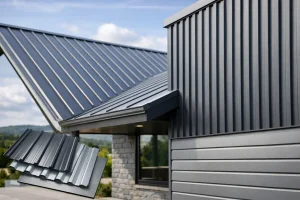
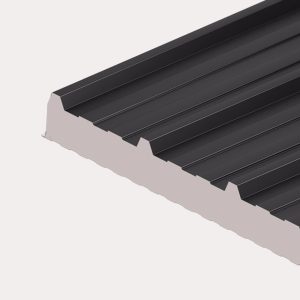
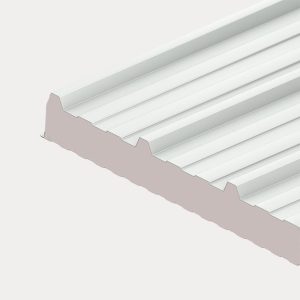
Box profile remains one of the most popular choices for garages, workshops, industrial units and agricultural buildings. It gives a clean, modern look and good spanning capability for many common applications. For buyers who want something sleek, strong and weather-resistant without moving into a fully insulated panel system, it is often the practical middle ground.
It also suits refurbishment work where an older roof needs upgrading fast. If the structure beneath is sound, box profile can provide a durable new covering with straightforward installation. The trade-off is that on uninsulated buildings, condensation can still be an issue unless you specify an anti-condensation backing or improve ventilation.
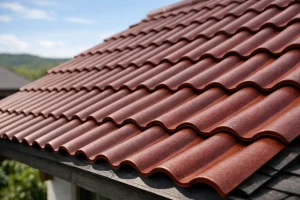
Corrugated sheets are a dependable option for traditional agricultural buildings, sheds and lower-cost domestic projects. They are familiar, hard-working and visually suited to many rural settings across Norfolk. They can also be more forgiving in certain refurbishment jobs where the existing structure or appearance favours a more traditional profile.
Their strength is simplicity and value. Their limitation is that they may not deliver the same contemporary finish or spanning performance some commercial customers want. As always, it depends on the building and the look you are aiming for.
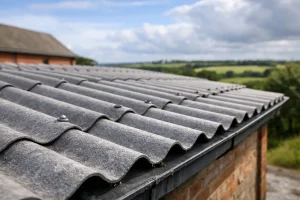
Fibre cement is still widely chosen for agricultural and equestrian buildings because it handles condensation better than many single-skin metal systems. For stables, barns and livestock buildings, that can be a real advantage. It also offers a quieter roof in heavy rain, which matters more on some sites than buyers first expect.
The compromise is weight and handling. Installation needs planning, and the visual finish is different from coated steel sheeting. For customers prioritising moisture control and a more traditional agricultural specification, it is a strong contender.
For workshops, garden rooms, commercial units and any building where temperature control matters, insulated roof panels are often the right answer. They combine outer and inner sheets with a high-performance insulated core, giving better thermal efficiency, improved condensation control and a more complete finished system.
Upfront cost is higher than single-skin sheeting, but the building performs better from day one. If the space will be used regularly, heated or fitted out internally, insulated panels can be the more economical choice over time. This is especially true where regulations or energy expectations are part of the brief.
Not all steel roof sheets are equal. The base material matters, but the coating often decides how well the roof stands up over years of weather exposure. Polyester is a cost-effective finish for many standard applications, while Plastisol typically offers a tougher, thicker surface better suited to harsher environments or buyers wanting a longer service life.
In Norfolk, where some sites face more aggressive weather conditions, it is worth thinking beyond the cheapest option. A slightly stronger specification can reduce maintenance and replacement costs later. Colour choice also matters more than people assume. Darker roofs can absorb more heat, and on visible domestic projects the finish needs to sit comfortably with the surrounding property.
Galvanised sheets have their place, especially where appearance is secondary and practicality comes first. But for many domestic and commercial jobs, a coated sheet gives better long-term value and a cleaner finished result.
A lot of roofing problems are not leaks at all. They are condensation. On garages, stores, workshops and livestock buildings, warm moist air meeting a cold roof underside can create persistent dripping. That can damage stored items, reduce comfort and create the impression the roof has failed when the issue is really specification.
If the building is uninsulated, anti-condensation fleece can help in the right conditions. Good airflow is also important, because trapped moisture needs somewhere to go. If the building will be heated or used regularly, an insulated roof system is usually the better answer.
This is one of the biggest reasons technical advice matters. A cheaper single-skin sheet may look attractive on paper, but if the building use demands something more, the saving can disappear very quickly.
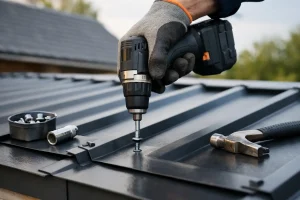
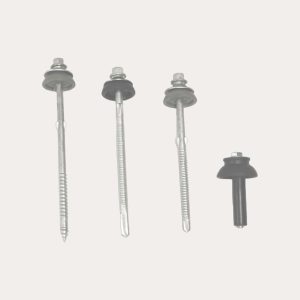
The best roof sheets in Norfolk will still underperform if the accessories are wrong or missing. Fixings need to match the sheet profile and the supporting structure. Flashings need to suit the roof pitch and edge details. Foam fillers, sealants and rooflights all have to work as part of one system.
This is where a one-stop supply approach makes sense. Instead of piecing an order together from several merchants, you can get the roof sheets, flashings, purlins, trims and fixings specified together. That reduces errors, avoids mismatched components and helps keep the install moving.
For trade buyers, that means less time chasing stock. For competent DIY customers, it provides reassurance that the supporting items are not an afterthought. Roof Sheets Online is built around exactly that sort of purchase journey – getting the core materials and the necessary extras sorted in one go.
Fast supply matters, but reliable supply matters more. Most roofing delays are expensive because they affect labour, access equipment and the sequencing of other trades. When ordering sheeted roofing for a Norfolk project, the delivery date needs to be realistic and confirmed clearly.
It is also worth checking access before placing the order. Long sheets can be awkward on tight domestic roads or smaller sites, and unloading needs space. Accurate lengths reduce waste and fitting time, but they also need careful measuring at the start. One wrong dimension can hold up the whole roof.
For larger or more complex jobs, phone-backed support is often the difference between a smooth order and an avoidable problem. A quick check on profile, sheet length, flashing detail or fixing quantity can save far more time than it takes.
The most sensible way to buy is to work backwards from the building use, not forward from the cheapest sheet on the page. Ask what the roof is covering, whether the space is insulated, how exposed the site is and what finish you need over the long term. Then match the profile, coating and accessories to that job.
For a simple shed or store, corrugated or box profile may be all you need. For a stable or agricultural unit, fibre cement may offer better day-to-day performance. For a workshop, office space or premium outbuilding, insulated panels often make more sense. There is no single best answer, only the right specification for the building.
If you are unsure, get advice before ordering rather than after delivery. A specialist supplier can usually spot the common issues early – under-ordered fixings, the wrong flashing type, missing fillers or a sheet choice that does not suit the pitch. That is the kind of support that keeps projects on track.
A roof should be straightforward once the materials arrive: fit well, weather well and last. If you are buying for a project in Norfolk, aim for more than sheets alone. Aim for the right system, the right support and an order that turns up ready to finish the job properly.
Roof Sheets Online Ltd
UNIT C4
MACROME ROAD
Wolverhampton
WV6 9HD
Company No 15150940
Vat No. 4880 70856