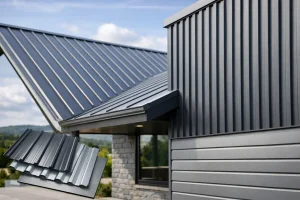
A workshop near Ipswich needs a roof that shrugs off driving rain. A stable outside Bury St Edmunds needs airflow and condensation control. A garage in Lowestoft might simply need a tough, tidy covering that goes on quickly and lasts. When you are buying roof sheets in Suffolk, the right choice is not just about price per sheet. It is about matching the profile, finish and full accessory package to the building and the job.
That matters more in a county where rural, coastal and exposed locations can put extra pressure on roofing materials. A sheet that works well on a sheltered garden store may not be the best fit for an agricultural building on open ground. Get the specification right first time and you save yourself delays, wasted labour and awkward call-backs later.
What to look for in roof sheets in Suffolk
Most buyers start with the sheet itself, but performance comes from the whole system. The profile, coating, fixings, flashings and rooflights all need to work together. If one part is wrong, the whole roof can suffer.
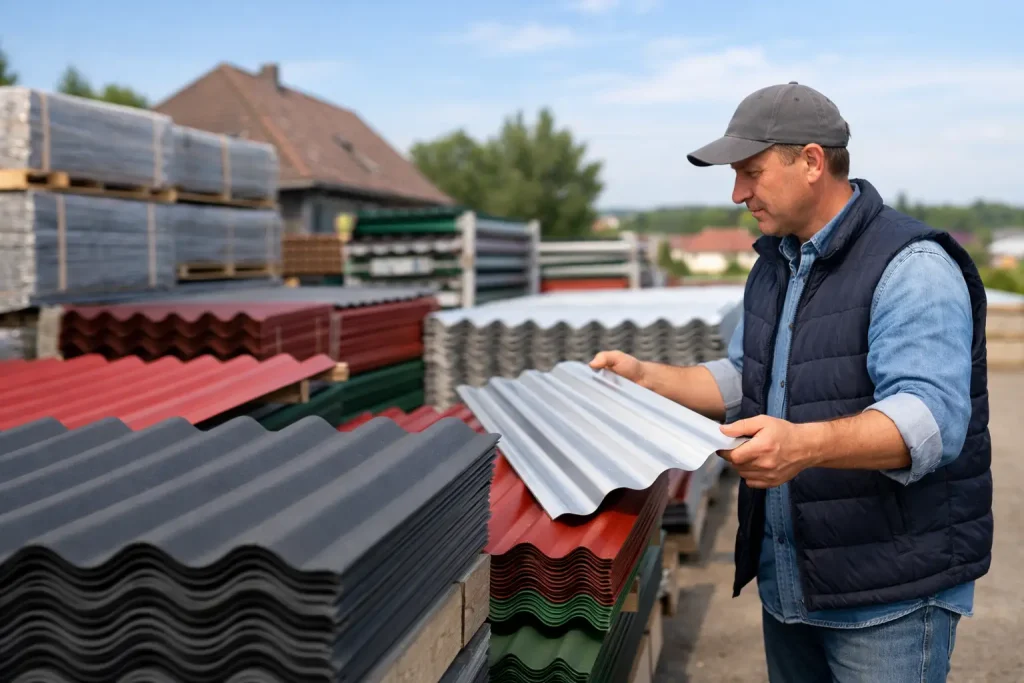
For Suffolk projects, weather resistance is usually near the top of the list. Box profile sheets are a popular choice for garages, workshops, commercial units and agricultural buildings because they are strong, clean-looking and suited to a wide range of pitches. Corrugated sheets still have their place too, especially where a more traditional look is wanted or where the structure suits that profile.
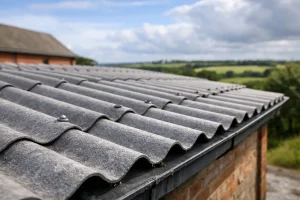
Material choice is just as important. Steel sheets with a good protective coating offer strength, longevity and value. Fibre cement appeals where buyers want a more traditional finish, lower noise in rainfall and good corrosion resistance. Insulated panels are the step up when thermal performance matters, such as on workshops, farm buildings, garden rooms and light industrial spaces.
The trade-off is straightforward. A basic single-skin steel sheet will usually be the most cost-effective option up front, but it may need anti-condensation backing or additional design consideration depending on use. Insulated panels cost more initially, yet they can reduce heat loss, improve internal comfort and speed up the build by combining outer sheet, insulation and liner in one product.
Choosing the right sheet for the building
The best roofing sheet for a Suffolk property depends on what sits underneath it. There is no point overspending on specification you do not need, and there is just as little value in buying too lightly and replacing it early.
Garages, sheds and home workshops
For domestic outbuildings, box profile roofing sheets are often the practical answer. They are sleek, strong and weather-resistant, and they suit modern garages, sheds and workshops well. If appearance matters from the garden side, colour-coated finishes can help the building sit more neatly with surrounding brickwork, timber or fencing.
On simple storage buildings, a single-skin sheet may be enough. If the space is used regularly, though, think about condensation and internal temperature. A workshop used through winter can feel very different under an insulated roof compared with a bare metal one.
Stables and agricultural buildings
Agricultural and equestrian buildings often need a tougher balance of durability, ventilation and internal comfort. Fibre cement remains a solid choice in some cases, particularly where sound reduction and a more traditional agricultural appearance matter. Steel box profile sheets are also widely used because they are hard-wearing, efficient to install and available with matching accessories.
If livestock or tack are involved, condensation control becomes more than a convenience. Drips from the underside of a cold roof can create ongoing problems. Anti-condensation fleece or an insulated system can make a real difference, depending on the building layout and budget.
Commercial and industrial units
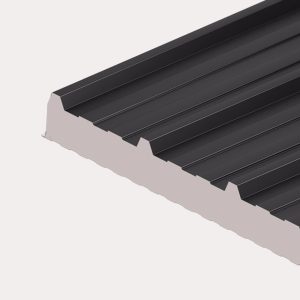
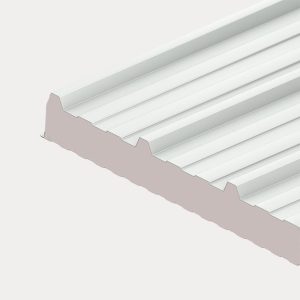
For larger spans, refurbishments and more performance-led projects, insulated roof panels are often the right route. They offer a precision-crafted, weatherproof finish and can help meet thermal targets more easily than building up multiple layers on site. They also create a neater internal finish, which matters on units used for production, storage or customer-facing work.
This is where it pays to think beyond the panel. Flashings, closures, fixings and rooflights need to be ordered correctly from the start, otherwise progress on site can stall over a few missing components.
Coatings, finishes and why they matter
Not all steel sheets are equal. Buyers comparing prices should always check what finish is being quoted, because coating quality has a direct effect on lifespan and appearance.
Polyester is a common entry-level finish and can suit lower-demand applications where budget is tight. Plastisol is a heavier-duty option with excellent durability, making it a strong choice for buildings expected to take more weather exposure or harder daily use. Galvanised sheets can work well in the right setting too, especially where a plain industrial look is acceptable.
In Suffolk, coastal exposure can be a factor in some areas, so finish selection deserves proper thought. A project near the sea may justify moving up to a more protective coating rather than treating all sites the same. It depends on location, building use and expected service life, but it is always worth asking the question before ordering.
Do not treat accessories as an afterthought
A roof is only as reliable as the parts that finish and fix it. This is where many jobs either go smoothly or become a headache.
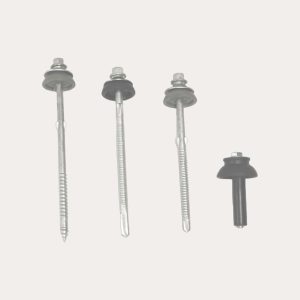
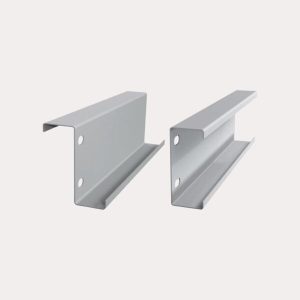
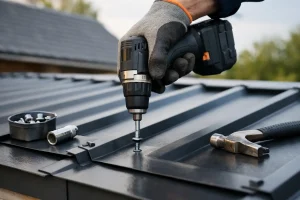
Fixings need to match the sheet profile and the structure beneath. Flashings need to suit the roof shape and cover junctions properly. Foam fillers, sealants, purlins and rooflights should be specified at the same time as the sheets, not added in a rush once the install has started. Buying roof sheets in Suffolk from a supplier that can provide the full package saves time and helps avoid the common problem of mixing parts from different sources that were never designed to work together.
For trade buyers, that means fewer delays and fewer return visits. For competent DIY customers, it means a much clearer route from order to installation. A one stop shop approach is not just convenient. It reduces mistakes.
Common mistakes buyers make
One of the most common errors is choosing by sheet price alone. A cheaper sheet can look attractive until you add the cost of missing trims, incorrect fixings or poor condensation performance. The cheapest option on paper is not always the best value once labour and lifespan are factored in.
Another issue is ordering the wrong lengths or not allowing for overlaps and roof pitch. This can create waste at one end of the job and shortfalls at the other. Accurate measuring matters, especially on refurbishment work where older buildings are not always square.
There is also the question of rooflights. Some buyers leave them out to save money, then regret how dark the building feels once the roof is on. Others overdo them without thinking about heat gain or the working use of the space. The right balance depends on whether the building is storage, livestock housing, a workshop or something more specialised.
Support matters as much as stock
If you already know the profile, finish and exact accessory list you need, ordering can be straightforward. But many buyers sit somewhere in the middle. They know the building, they know roughly what they want, yet they still need confirmation that the specification is sound.
That is where proper technical support makes the difference. A good supplier will help check dimensions, talk through coatings, flag up the right flashings and confirm delivery dates clearly. That reassurance matters whether you are a builder managing a schedule or a homeowner trying to get a garage re-roofed before the weather turns.
Roof Sheets Online works in that practical way – product first, straight answers, and the full set of components to complete the job properly. For many Suffolk buyers, that is the simplest route to a roof that arrives on time and goes on without unnecessary chasing around.
Getting the order right first time
Before placing an order, be clear on the building use, roof dimensions, pitch and the type of structure the sheets will fix into. Think about whether you need insulation, anti-condensation backing, rooflights or a specific colour finish. Then make sure the trims and fixings are included from the outset.
It sounds basic, but a few minutes spent checking the detail can save days on site. Roofing materials are not difficult to buy when the specification is right. Problems usually start when key details are assumed rather than confirmed.
If you are weighing up roof sheets in Suffolk for a new build, refurbishment or replacement roof, focus on the end result rather than the line price alone. A roof should be strong, weatherproof and complete – and if you are unsure which system fits your project best, getting proper advice before you order is always money well spent.