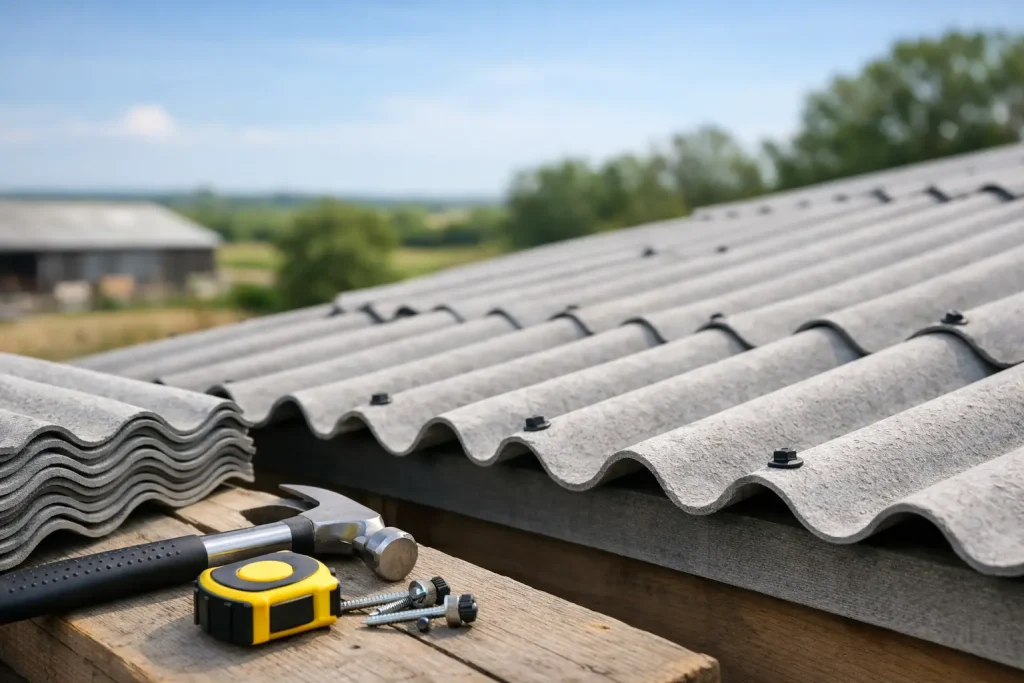
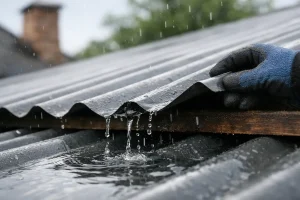
If you are pricing a garage, stable, workshop or farm building, the fibre cement roofing sheets price usually matters just as much as lifespan. Cheap sheets can look attractive at first glance, but roofing is rarely just about the sheet itself. The real cost sits in the full build – sheet size, profile, fixings, flashings, rooflights, wastage and how long the roof is expected to last in service.
Fibre cement remains a strong choice for buyers who want a reliable, low-maintenance roof covering without stepping into the higher price bracket of insulated composite systems. It is widely used on agricultural buildings, light industrial units, outbuildings and refurbishment projects because it offers solid weather performance, good acoustic properties in rain, and a more traditional appearance than some metal alternatives.
What affects fibre cement roofing sheets price?
There is no single flat rate because fibre cement sheets are specified by project, not just by square metre. The fibre cement roofing sheets price changes according to sheet length, profile, thickness and the quantity you need. A small shed roof and a large agricultural span may use the same material type, but the total cost can differ sharply once accessories and layout are factored in.
Sheet dimensions make an obvious difference. Longer sheets often reduce overlaps and speed up installation, but they also increase handling requirements and transport considerations. Shorter sheets can be easier to move around site, especially on smaller domestic jobs, though they may create more side and end laps depending on the roof design.
Profile also plays a part. Corrugated and profile-specific fibre cement products are not always priced the same because manufacturing and intended application vary. On some jobs, the profile choice is driven by matching an existing roof on a refurbishment rather than chasing the lowest initial spend.
Order volume matters too. Larger jobs often deliver better value per sheet than very small orders, especially when delivery and handling are spread across a bigger quantity. If you are only replacing a handful of sheets, the product cost may look reasonable but the delivered job cost per sheet can feel higher.
Price per sheet versus full roof cost
This is where many buyers get caught out. Comparing sheet prices alone can be misleading if one quote includes the supporting items and another does not. A roof is only as good as the details that finish it properly.
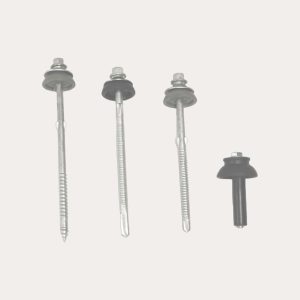
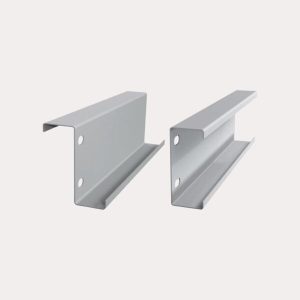
On a typical fibre cement roof, you may also need fixings, fibre cement washers or caps depending on the system, flashings, ridge pieces, fillers and rooflights if daylight is required. If the supporting structure is being built from scratch, purlins and other framing components also need to be part of the budget. Miss those items at the pricing stage and a cheap-looking roof soon stops being cheap.
That is why experienced buyers tend to cost the roof as a package. It is the practical way to compare options and it reduces the risk of site delays caused by forgotten parts. A one-stop order is often more efficient than sourcing sheets from one place and then trying to match trims and fixings elsewhere.
Is fibre cement good value compared with metal sheets?
Sometimes yes, sometimes no – it depends on the job.
Fibre cement usually appeals to customers who want durability, corrosion resistance and quieter performance in poor weather. On agricultural buildings and stables, that lower noise level during rain can be a real advantage. It also avoids the look and feel of a thinner metal sheet, which some buyers simply do not want on traditional or rural buildings.
Metal sheets can be more economical in some applications, particularly where lightweight handling, wide colour choice or fast coverage are priorities. But cheapest upfront does not always mean best value over time. If your building is in a demanding environment, or if you are replacing an older fibre cement roof and want to retain the same style and performance, paying a bit more for the right specification can be the smarter decision.
For heated buildings or projects where thermal efficiency is the priority, insulated panels may prove better value overall despite a higher initial outlay. That is not a strike against fibre cement. It just means the right sheet depends on the building use.
Where budgets rise unexpectedly
Most roofing overspend comes from three areas: underestimating accessories, ordering the wrong size sheets, and not allowing for waste.
Accessories are easy to overlook because buyers naturally focus on the visible covering. Yet ridges, barge details, fixings and rooflights are not optional extras if the roof is to perform properly. These items protect the weatherproofing and finish the job to a standard you can trust.
Incorrect sheet lengths can be even more expensive. If the roof layout is not planned carefully, you may end up with avoidable overlaps, awkward cuts or extra labour on site. That affects both material cost and fitting time. On trade jobs, labour overruns can quickly wipe out any saving made on a cheaper sheet.
Wastage is the other issue. Simple dual-pitch roofs are straightforward to cost. Once you introduce abutments, hips, awkward spans or repairs around existing structures, waste allowance becomes more important. A neat drawing and a proper material take-off can save money before the order is even placed.
How to get the right fibre cement roofing sheets price
The best price is not the lowest line on a quote. It is the price for the correct specification, delivered when you need it, with the right components to complete the roof.
Start with the building type and use. A field shelter, domestic garage and agricultural store may all use fibre cement, but they do not always require the same layout or detail. Then look at the roof dimensions, pitch and supporting structure. If you are replacing existing sheets, check the profile carefully rather than assuming a visual match will do.
It also helps to decide early whether you need rooflights for natural light and whether flashings should be colour-matched or selected to blend with surrounding materials. Small decisions like that affect the finished cost, but they are far easier to settle before ordering than midway through installation.
For many buyers, speaking to a specialist supplier is where the real saving starts. A clear materials list avoids over-ordering, under-ordering and the stop-start headache of chasing missing parts. At Roof Sheets Online, that practical support is part of the buying process – helping customers get the right sheets, the right accessories and a delivery date they can plan around.
Fibre cement roofing sheets price and long-term value
A roof should be judged over years, not just on order day. Fibre cement earns its place because it is dependable, weather-resistant and well suited to many agricultural and outbuilding applications. When properly specified and fitted, it offers steady long-term value with relatively low maintenance demands.
That matters if you are roofing a building that needs to stay serviceable without constant attention. Stables, barns, workshops and storage units are usually working buildings. Buyers want a roof that performs in British weather without becoming a recurring problem.
Long-term value also comes from buying the full system correctly the first time. Quality fixings, suitable flashings and compatible rooflights help the sheets do their job. Trying to shave costs by mixing unsuitable components often leads to leaks, callbacks or premature wear.
When it pays to ask for help
If you already know the profile, sheet lengths and accessory schedule, ordering can be straightforward. But plenty of projects sit in the grey area between simple replacement and full new build. That is where a quick check with a knowledgeable supplier can prevent expensive mistakes.
You may need guidance on matching an older roof, allowing for overlaps, choosing the right fixings or working out how many ridge pieces and flashings are required. Those are not minor details. They affect both the final price and how smoothly the job runs on site.
A dependable supplier should do more than take payment and send sheets out on a lorry. You want stock availability, clear delivery communication and practical advice if something on the specification is unclear. That support is often worth more than a small saving from a seller who cannot help once the order is placed.
If you are weighing up fibre cement for your next project, treat price as one part of the decision, not the whole decision. Get the specification right, buy the complete roof package, and you are far more likely to end up with a roof that fits the building, the budget and the job first time.