If you are comparing corrugated roof sheets price for a garage, shed, workshop or agricultural building, the cheapest sheet on the page is rarely the cheapest roof once the job is finished. Sheet material, coating, cut length, delivery, fixings and flashings all affect what you actually spend – and what the roof costs you over time.
That is why price needs looking at properly. A lower upfront figure can make sense on a short-term or low-demand build, but on a roof exposed to weather, condensation and regular use, paying a little more for the right specification often saves money in call-backs, wasted labour and early replacement.
What affects corrugated roof sheets price?
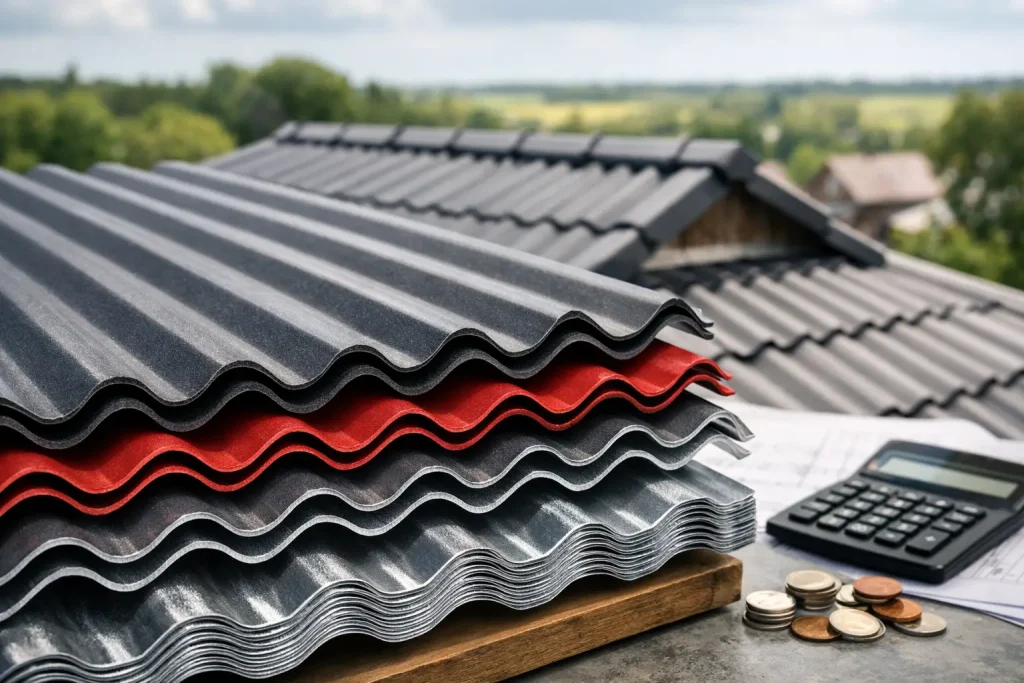
Corrugated roof sheets price usually comes down to five things – material, thickness, coating, sheet length and the accessories needed to complete the installation.
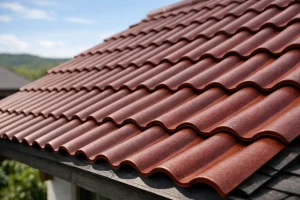
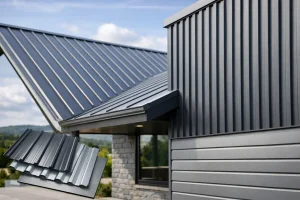
Material is the starting point. Steel corrugated sheets are a common choice because they offer a strong balance of cost, lifespan and ease of fitting. They suit a wide range of domestic, commercial and agricultural roofs. Aluminium can be lighter and more corrosion-resistant in certain settings, but it may come at a higher cost. Fibre cement is another option where a different appearance, acoustic performance or condensation behaviour is required.
Thickness matters too. A thinner sheet may reduce the initial spend, but it may not be the right choice for every structure or span. If the roof is likely to deal with higher wind exposure or heavier duty use, a heavier gauge can be the better buy. Trade buyers know this already, but it is just as relevant for homeowners fitting a replacement roof on a garage or stable block.
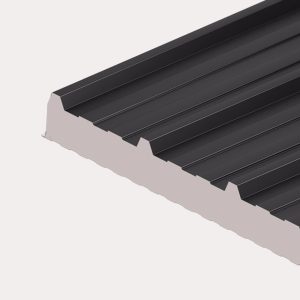
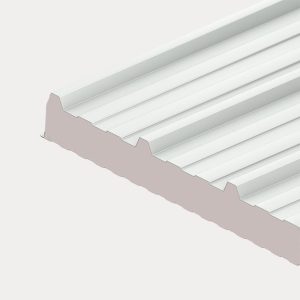
Then there is the coating. A basic galvanised finish can keep costs down, while polyester and plastisol-coated sheets typically cost more but offer better appearance and added protection. If the building is visible from the house, customer-facing, or expected to last for years with minimal upkeep, finish should not be treated as an afterthought.
Length also affects price in a way buyers do not always expect. Longer sheets may cost more per piece, but they can reduce overlaps, speed up installation and improve weather performance. On the other hand, very long sheets can be harder to handle on site, especially for smaller teams or DIY projects. The best value often sits in the balance between material efficiency and practical fitting.
Cheap sheets versus good value
There is a difference between a cheap corrugated sheet and good value roofing. A low-cost option may be perfectly suitable for a simple lean-to, log store or temporary structure. But once you are roofing a workshop, garage, farm outbuilding or refurbishing an older roof, the specification starts to matter much more.
Good value means the sheet matches the job. It also means you can get the matching fixings, flashings, foam fillers, rooflights or purlins without chasing several suppliers. That matters because missed items delay installations, create extra carriage costs and turn a simple order into a stop-start project.
This is where buyers often get caught out. They compare sheet-only prices, then realise later that trims, closures and fixings have not been budgeted properly. A roof is a system, not just a stack of sheets.
Corrugated roof sheets price by application
The right budget depends heavily on what you are building.
For sheds and garden buildings, buyers often want a practical and cost-conscious option. In that case, a standard corrugated steel sheet with a suitable coating can be a sensible choice, especially where appearance still matters. If the building stores tools, machinery or feed, it is worth thinking about condensation control as well as price.
For garages and workshops, many customers want a roof that looks tidy, performs well and lasts. That usually pushes the buying decision slightly beyond the cheapest available sheet. A more durable finish and correctly matched flashings are often worth the extra spend, particularly on buildings that are used daily.
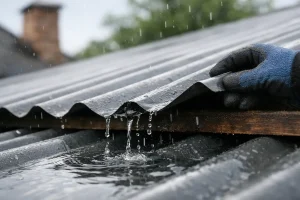
For stables, agricultural units and small industrial roofs, the environment can be harsher. Moisture, internal temperature changes and long-term exposure all play a part. In those cases, the cheapest sheet can be a false economy. Buyers are often better served by choosing a specification designed for durability first and price second.
For refurbishments, measuring and compatibility are just as important as headline cost. Matching existing profiles, working around current structures and ordering the correct lengths can affect the total project cost more than the sheet price itself.
Why coatings make a real difference to price
One of the clearest price jumps comes from the finish you choose. Galvanised sheets are often selected for straightforward utility roofing. They do the job, but if the building is exposed, visible or expected to stay smart for years, coated sheets are usually a better long-term option.
Polyester gives a cleaner finished look and suits many domestic and light commercial applications. Plastisol generally offers a tougher outer layer and is often chosen where durability and surface protection matter more. That extra spend can be justified where the roof needs to withstand harder use or more demanding weather conditions.
Colour choice can also influence the decision, especially on visible buildings where the roof needs to complement existing cladding, doors or surrounding structures. Price matters, but so does ending up with a finish you are still happy to look at five years from now.
The hidden costs buyers forget
When comparing corrugated roof sheets price, it is easy to miss the smaller items that make the job complete.
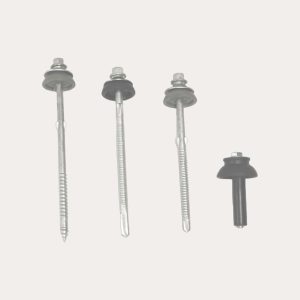
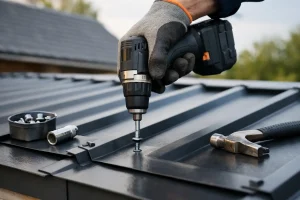
Fixings are the obvious one. Ordering the wrong type, wrong length or wrong quantity can slow the installation and lead to poor performance. Flashings are another. Ridge, verge, eaves and corner details are what turn fitted sheets into a weatherproof roof.
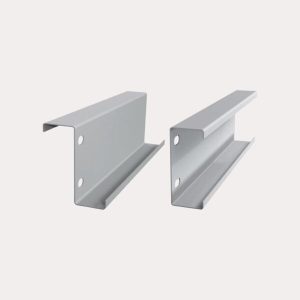
Rooflights may also be needed if the building requires natural light. Foam fillers, sealing tapes and purlins can all affect the total budget. None of these are optional if the aim is a proper finish.
Delivery should be considered early as well. Roofing sheets are not a parcel-post purchase. Sheet length, order size and access at site can all influence how smoothly delivery goes. For trade customers especially, a confirmed delivery date can be just as valuable as shaving a small amount off the material cost.
How to get the right price without under-specifying
Start with the building type and what the roof needs to do. Is it simply keeping a log store dry, or is it protecting stock, tools, livestock or a working space? That answer will narrow down the sensible specification quickly.
Next, think about lifespan. If you want the roof to perform for years with minimal attention, choose accordingly. If the structure is temporary or lightly used, a simpler option may be enough. There is no point paying for a specification the building does not need, but there is also no saving in buying a roof that struggles after a few winters.
Then look at the full package. Sheets, fixings, flashings, closures and any supporting components should be priced together. That gives a proper cost comparison and avoids surprises later.
It also helps to get advice before ordering if you are unsure on profile, coating or sheet length. A short conversation can prevent an expensive mistake, especially on larger runs or refurbishment projects. Roof Sheets Online supports customers across Great Britain with the kind of practical guidance that keeps jobs moving and orders accurate.
Corrugated roof sheets price and long-term value
The best buying decision is usually the one that balances upfront cost with performance. Corrugated roofing remains popular because it is sleek, strong and weather-resistant, but not every sheet is equal and not every project needs the same answer.
If you are pricing for a simple outbuilding, keeping the spend tight may be the right move. If you are roofing a workshop, stable, garage or agricultural unit, it often makes sense to spend a little more on coating quality, correct accessories and a specification that will stand up to the job.
A roof is one of those purchases where problems show up later, not at checkout. Buy with the full installation in mind, make sure the details are covered, and you are far more likely to get a roof that fits well, looks right and earns its keep for years.