London jobs rarely give you much slack. Access can be tight, schedules can shift, and if materials turn up late or incomplete, the whole build feels it. That is exactly why buyers looking for roof sheets in London tend to care about more than just sheet price. They need the right profile, the right finish, the right accessories and a delivery plan that works first time.
For a garage reroof in Enfield, a workshop build in Croydon, or cladding for a small commercial unit in Barking, the same rule applies – get the specification right before the sheets arrive on site. It saves wasted labour, avoids awkward last-minute trips for missing trims or fixings, and gives you a roof that actually performs in British weather.
Choosing roof sheets in London for the job in front of you
Not every project needs the same sheet. That sounds obvious, but plenty of roofing problems start with a product chosen on price alone. A sheet that is fine for a simple lean-to may be the wrong call for a heated workshop, a stable block or a refurbishment where condensation is already an issue.
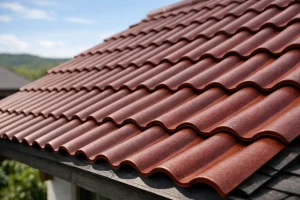
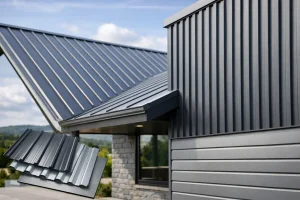
Box profile sheets are a common choice when you want a strong, modern-looking roof or wall cladding system with good spanning capability. They suit agricultural buildings, garages, industrial units and many domestic outbuildings. Corrugated sheets remain popular because they are dependable, cost-effective and look right on a wide range of rural and traditional-style buildings. If appearance matters as much as performance, wave tile sheets can give you a more tiled look without the weight and complexity of a traditional tiled roof.
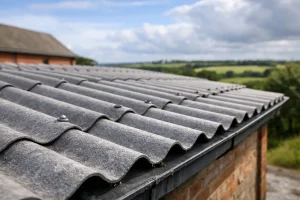
Then there is fibre cement. This is often chosen where quieter rainfall performance and a more traditional finish matter. It can be a sensible option for stables, barns and some agricultural buildings, though it comes with its own detailing and support requirements. Flat sheets can work well for cladding and lining applications, while insulated panels are the stronger answer when thermal performance, condensation control and internal comfort are part of the brief.
Material, finish and lifespan
Once you know the profile, the next question is material and coating. This is where trade buyers usually separate a short-term saving from a long-term result.
Galvanised steel sheets offer a practical, economical starting point. They do the job well in many settings, particularly where appearance is less of a concern. Polyester-coated sheets give you a cleaner finish and a good range of colours, making them popular for domestic and light commercial projects. Plastisol-coated sheets are a step up where durability matters more. They are thicker, tougher and generally better suited to harsher exposure and projects where you want confidence over the long run.
In London and the surrounding area, roofs often sit under more visual scrutiny than purely agricultural sites. A workshop next to a house, a garden room visible from the road, or a commercial unit with customer-facing elevation may need a finish that looks smarter as well as standing up to the weather. That is usually where colour-coated steel earns its keep.
The cheapest option on paper can end up costing more if it marks easily, ages badly or does not match the rest of the build. If you are buying for longevity, not just immediate cover, it is worth paying attention to coating quality and suitability for the environment.
When insulated roof sheets make more sense
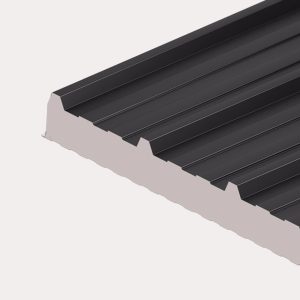
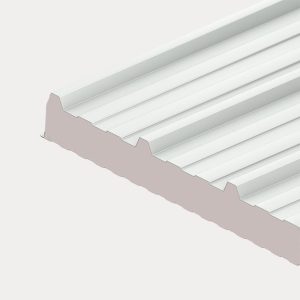
If the building will be heated, used regularly, or expected to stay dry inside, insulated panels are often the better specification. They provide roofing, insulation and an internal liner in one product, which can reduce installation time and create a neater finish.
They are especially useful for workshops, garden commercial spaces, storage areas with temperature-sensitive contents and refurbishment jobs where condensation has been a recurring problem. Insulated systems do cost more upfront than single-skin sheets, so they are not always the right answer. But where comfort, efficiency and moisture control matter, they can be far better value over time.
Accessories are not extras
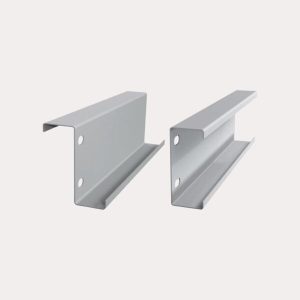
A roof build is never just sheets. This is where many buyers get caught out, especially on fast-moving projects. Sheets might be ordered correctly, but if the fixings, flashings, fillers, sealants, purlins or rooflights are missing, the job slows down immediately.
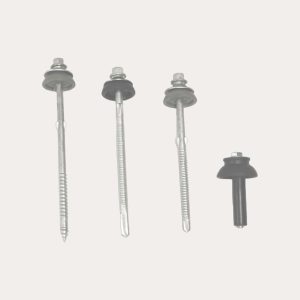
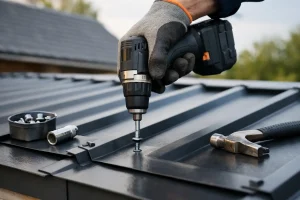
Ridge flashings, bargeboards, apron flashings and corner trims all have a practical role in weatherproofing the roof properly. Fixings need to suit both the sheet type and the structure below, whether timber or steel. Foam fillers and sealing tapes help close vulnerable gaps. Rooflights can improve natural light levels in workshops, agricultural buildings and stores, but only when matched correctly to the profile.
This is why a one-supplier approach makes sense for many London buyers. When one order covers the sheets and the full accessory package, there is less room for mismatch and less time wasted chasing parts from different merchants. It is a simpler way to keep the job moving.
Common mistakes when buying roof sheets in London
The biggest mistake is measuring the roof and stopping there. Sheet length matters, but so do the roof pitch, the direction of fall, side laps, end laps and the support spacing underneath. If those details are wrong, installation becomes harder and water performance can suffer.
Another common issue is underestimating condensation risk. A shed used only for basic storage may cope perfectly well with a straightforward single-skin sheet. A workshop, stable, garage gym or garden business unit is different. Warm internal air meeting a cold roof can create persistent moisture problems if the build-up is not designed properly.
Buyers also sometimes focus too narrowly on the main roof sheet and forget the edge details. In practice, neat, weatherproof finishing often depends on the trims and flashings just as much as the sheet itself. The same goes for fixings. Using the wrong type, wrong length or wrong quantity is a false economy.
Specification depends on the building use
A stable roof has different priorities from a smoking shelter. A domestic garage has different expectations from a farm outbuilding. Even two sheds of the same size may need different products if one stores tools and the other houses animals or equipment sensitive to damp.
That is why good suppliers ask practical questions first. What is the building for? Is it insulated? What is the pitch? What supports are in place? Are you matching an existing roof or starting from scratch? Those answers usually point you towards the right system far faster than browsing on price alone.
Delivery and site realities matter
Material choice is only half the job. In and around London, delivery planning can be just as important. Restricted access, narrow roads, busy schedules and limited on-site storage all affect what works best.
Long sheets can reduce overlaps and speed installation, but they also need suitable access and safe handling space. On some sites, splitting lengths or planning staged delivery is more practical. A reliable supplier should be able to confirm delivery timing clearly so you can line materials up with labour and avoid sheets sitting around longer than necessary.
For trade buyers, that reliability matters as much as the product itself. If a roofer has a team booked, or a builder is trying to get a structure watertight before the weather turns, missed or incomplete deliveries create avoidable cost. Fast supply is useful, but accurate supply is what keeps projects under control.
How to buy with confidence
Start with the use of the building, then work backwards through performance, finish and budget. If you need a simple, cost-effective covering for an open-sided structure or basic store, corrugated or box profile steel sheets may be all you need. If appearance is a bigger factor, colour-coated finishes are worth considering. If the building is occupied, heated or sensitive to moisture, insulated panels deserve a serious look.
After that, think in systems, not single products. Include flashings, fixings, fillers, rooflights and any structural components required to complete the roof properly. That approach is usually faster, cleaner and cheaper than trying to patch an order together in stages.
At Roof Sheets Online, that is exactly how we help customers buy – not just with sheets, but with the full package needed to get the roof finished properly. Trade or DIY, experienced or first time, the goal is the same: supply the right materials, confirm delivery clearly, and make the job easier from first order to final fixing.
If you are weighing up roof sheets in London, the best choice is rarely the cheapest line on a screen. It is the one that suits the building, arrives when it should, and goes on with everything you need to finish the job properly.