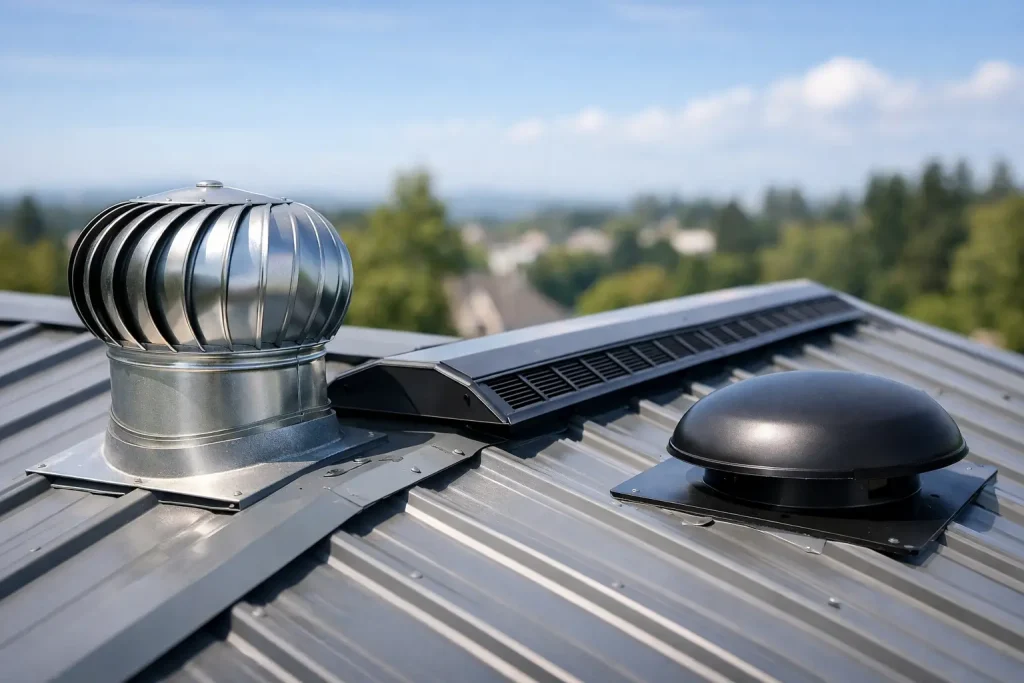
A metal roof that looks spot on from the outside can still fail from underneath if the ventilation has been guessed. Condensation dripping onto stored tools, damp insulation, sweating purlins and early corrosion usually come back to one issue – designing metal roof ventilation properly from the start.
With sheeted roofs on garages, workshops, stables, farm buildings and light industrial units, ventilation is not an add-on. It is part of the roof build. Get it right and the roof stays drier, performs better and lasts longer. Get it wrong and even a strong, weather-resistant sheet can end up working in a damp roof space.
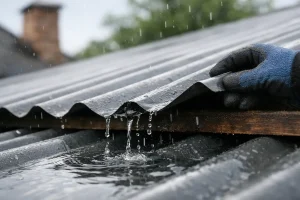
Metal roofing reacts quickly to temperature changes. On a cold morning, the underside of the sheet can sit below the dew point while the air inside the building carries moisture from people, animals, stored materials or general day-to-day use. When warm, moisture-laden air hits that colder surface, water forms.
That is why designing metal roof ventilation is really about moisture control first and temperature control second. Ventilation helps move moist air out before it settles on the underside of the roof. It can also reduce heat build-up in summer, but for most single-skin and lightly insulated buildings across the UK, condensation is the bigger concern.
The building use makes a major difference. A dry machinery store has very different moisture levels from a stable, and a domestic garage is not the same as a workshop with regular heating and door openings. The roof pitch, insulation build-up, sheet profile and whether the building is open-sided or tightly enclosed all affect what the roof needs.
The most common mistake is choosing roof sheets first and thinking about airflow later. In practice, ventilation design starts with how the building behaves.
If the structure is unheated and well ventilated already, such as a basic open agricultural building, the roof may need far less intervention than a sealed garage or garden room. If the space below is occupied, intermittently heated or used for livestock, moisture production rises sharply. That changes the detail around eaves ventilation, ridge ventilation and insulation layers.
A simple question helps: where will moisture go once it is inside the building? If there is no clear escape path, it will usually end up on the coldest surface, which is often the underside of the roof sheet.
Single-skin roofs are common on sheds, stores, canopies and budget outbuildings. They are cost-effective and quick to install, but they are also the most vulnerable to condensation because there is very little thermal separation between inside air and the metal sheet.
In these roofs, ventilation becomes critical. Good airflow at the eaves and high-level escape at the ridge or apex can help reduce trapped moist air. An anti-condensation fleece backing can also help by holding small amounts of moisture until conditions allow it to evaporate, but it is not a substitute for proper airflow. If the building is regularly occupied or moisture-heavy, fleece alone may not be enough.
A built-up roof with insulation between liner and outer sheet gives better thermal performance and more control over internal conditions. Here, ventilation design depends on where the vapour control layer sits and how tightly the system is sealed.
If warm moist air can bypass the internal layer and reach colder parts of the build-up, interstitial condensation can occur. That is harder to spot and more damaging over time. In this sort of system, detailing matters just as much as material choice. Tape laps, closures, flashings and fixings all need to work together.
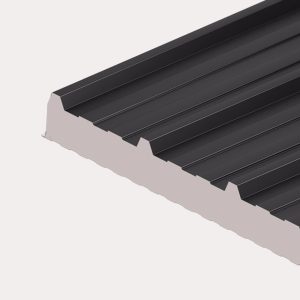
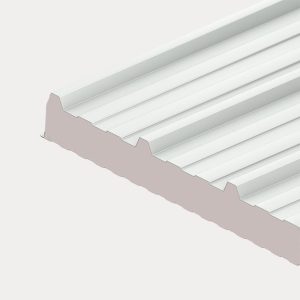
Composite insulated panels simplify a lot of this because insulation and lining are integrated into one precision-made system. They can offer very good thermal performance and reduce condensation risk when specified and installed correctly. Even so, the building still needs to manage internal humidity. Ventilation may be needed for the space itself, even if the roof panel build-up is more condensation-resistant.
Most metal roof ventilation follows a straightforward principle: bring fresh air in at low level and allow warmer moisture-laden air to leave at high level. That usually means intake at the eaves and exhaust at or near the ridge.
What changes from job to job is the amount of free airflow and how evenly it is distributed. Too little ventilation leaves stagnant pockets. Too much in the wrong place can create wind-driven rain issues or undermine thermal performance in insulated builds.
For smaller domestic-style outbuildings, the detail might be relatively simple, using vented eaves and a ventilated ridge detail where the roof form allows it. On larger agricultural or industrial roofs, ridge ventilation can become a core design feature rather than a minor accessory.
These two are often muddled together, but they are not identical. Ventilation removes moisture from the air. Condensation control products reduce the chance of water becoming a problem on the sheet itself.
An anti-condensation membrane on the underside of a metal sheet can be very useful on cold roofs, especially in garages, barns and workshops. It gives a degree of protection during periods when condensation forms quickly. But if the building continually produces moisture and there is nowhere for that moisture to escape, the membrane can become overwhelmed.
Likewise, adding insulation can help keep internal surfaces warmer, but poor vapour control or weak detailing can still allow moisture into the wrong layers. The right answer is usually a combination of suitable sheeting, correct insulation build-up, effective ventilation and the right accessories to finish the roof properly.
A roof can look fully sheeted and still be vulnerable in the details. Eaves closure choices, poorly detailed ridge flashings and gaps around penetrations can all interfere with airflow or let moisture in where it should not be.
Rooflights are another area to think through carefully. They are excellent for bringing natural light into a building, but they need to sit within the ventilation and condensation strategy, not outside it. The same applies to bargeboards, foam fillers and flashings. A tightly closed roof edge may stop draughts, but if it kills necessary intake airflow, it can create a bigger problem later.
Pitch matters as well. Steeper roofs encourage natural air movement differently from shallow-pitch roofs, and the drainage performance changes too. On lower pitches, moisture management and weatherproof detailing become even more important.
A horse stable needs a different approach from a domestic garage. Stables generate heat and moisture and usually benefit from generous background ventilation throughout the structure, not just at roof level. Workshops can swing from cold to warm quickly, particularly if heaters are used for short periods, which raises condensation risk. Agricultural stores may have large air volumes but also varying humidity depending on what is being stored.
That is why there is no single ventilation detail that suits every metal roof. Trade buyers often know the sheet profile they want, but the roof performance depends on the full system around it. For less technical buyers, this is where expert guidance saves time and avoids ordering the wrong combination of sheet, membrane, closures and flashings.
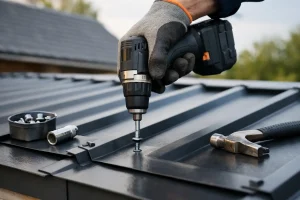
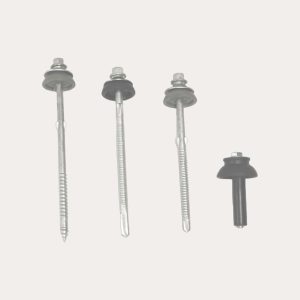
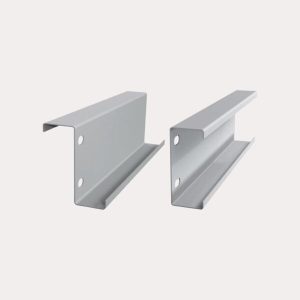
Ventilation performance is often won or lost in the supporting components. Sheets alone do not complete a roof. You also need the correct ridge detail, suitable fillers, fixings, flashings, tapes and, where required, rooflights and purlin support details that suit the structure.
This is one reason many customers prefer a one-supplier order. It is easier to make sure the main sheets and the finishing items are designed to work together, rather than piecing a roof together from several places and hoping the details line up on site. For buyers who want a straightforward route, Roof Sheets Online helps take that guesswork out of the process with trade-grade materials, matching components and practical technical support.
For a basic shed storing dry equipment, a single-skin sheeted roof with sensible airflow and anti-condensation backing may be perfectly adequate. For a garage used daily, a workshop with intermittent heating or any building where moisture is regularly produced, it is often worth stepping up the specification.
That might mean improving eaves and ridge ventilation, moving to an insulated system or choosing composite panels for tighter thermal control. The upfront cost is higher, but so is the long-term performance. If the roof is expected to protect valuable equipment, livestock or a regularly used working space, a cheap first decision can become an expensive correction.
Designing metal roof ventilation properly is really about being honest about how the building will be used, then choosing sheets, insulation and accessories that suit that job. If you are unsure, ask the question before ordering rather than after the first cold morning. A dry roof space is usually the sign that the roof was planned well, not just fitted quickly.
If you want the roof to stay sleek, strong and weatherproof for the long haul, treat ventilation as part of the specification, not a problem to sort out later.
Roof Sheets Online Ltd
UNIT C4
MACROME ROAD
Wolverhampton
WV6 9HD
Company No 15150940
Vat No. 4880 70856