If a roof leaks at the sheet joint, the end lap is one of the first places to check. A proper roof sheet end lap guide matters because even high-quality steel sheets can underperform if the overlap is too short, poorly sealed or fixed in the wrong place. Get the lap right and you improve weather resistance, reduce callbacks and give the whole roof a better chance of lasting as it should.
On small outbuildings, workshops, garages and agricultural roofs, end laps are often treated as a quick detail. In practice, they need the same care as flashings and fixings. Wind-driven rain, shallow pitches and long roof runs all put pressure on that joint. There is no single rule that covers every sheet and every project, so the best approach is to match the lap detail to the profile, pitch and site conditions.
What an end lap does
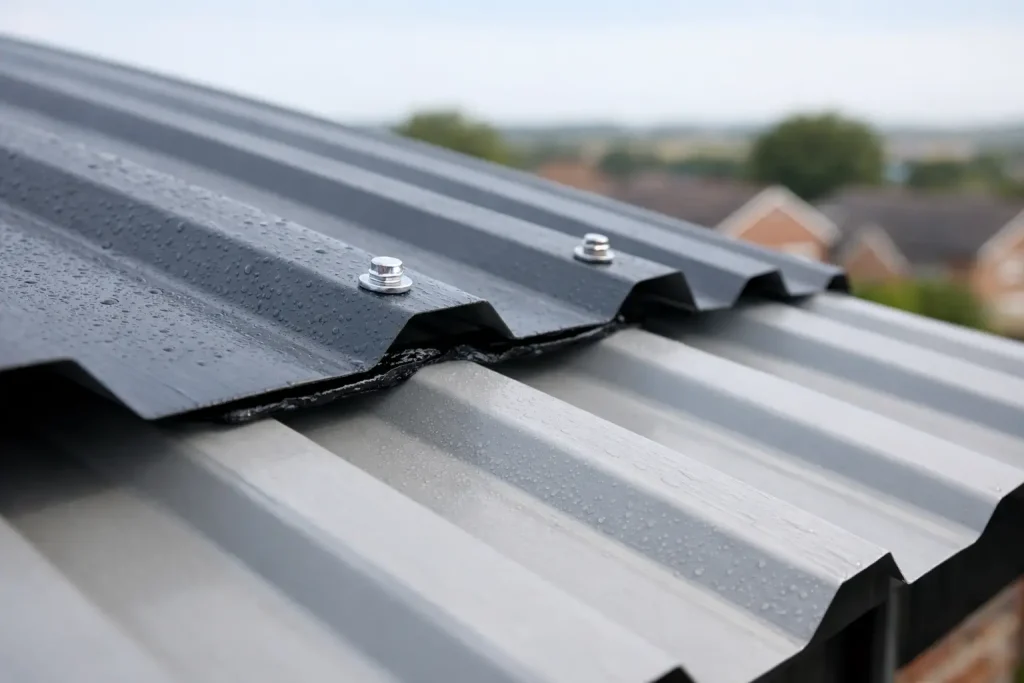
An end lap is the point where one roofing sheet overlaps the next along the slope of the roof. It is different from the side lap, which is where sheets overlap across the width. The end lap is there to shed water safely down the roof covering without allowing it to track back under the upper sheet.
That sounds simple enough, but the joint has to deal with capillary action, wind uplift and movement in the sheets. On low-pitch roofs especially, water does not always behave neatly. If the overlap is undersized or there is no effective seal, rain can be pushed uphill into the joint and into the building below.
Roof sheet end lap guide – what affects lap length?
The right lap length depends on the sheet profile, the roof pitch and the exposure of the site. A steeper roof generally drains faster and can often work with a shorter end lap. A lower pitch roof holds water longer, so it usually needs more overlap and more attention to sealing.
Profile depth matters as well. Deeper box profile or corrugated sheets move water differently from flatter sheet types. Some systems are designed for lower pitches than others, and insulated panels often follow their own fixing and lap requirements set by the manufacturer. That is why product-specific guidance should always come first.
As a practical rule, many steel sheet installations use end laps in the region of 150mm to 300mm, with the longer end of that range more suitable for lower pitches or more exposed conditions. That is a broad guide, not a substitute for the sheet specification. If you are ordering materials for a project and want the roof to go together properly first time, it makes sense to check lap requirements alongside the sheets, fixings and flashings rather than trying to piece it together later.
Pitch changes everything
Pitch is usually the deciding factor. On a roof with a healthy fall, water clears quickly and the end lap is under less pressure. On a shallow pitch, water can sit longer around the overlap and heavy rain can test every weak point.
This is where many avoidable problems start. People see a profile sheet and assume all metal roofing behaves the same way. It does not. A sheet that performs well on a steeper garage roof may need a very different lap detail on a low-pitch lean-to or farm building. If the project is near the coast or in an open rural location, exposure can push the detail further again.
When in doubt, be cautious. A longer lap and the right sealing method are usually cheaper than remedial work once the roof is on.
Sealing the end lap properly
Sealant is not there to rescue a bad joint. It is there to support a correct one. The lap still needs enough length, proper alignment and the right fixings. Once that is in place, butyl lap tape or the manufacturer-recommended sealing strip can provide the extra weatherproof barrier the joint needs.
For most profiled metal sheets, butyl tape is the preferred option rather than general-purpose silicone. It stays more stable in the joint and is better suited to roofing applications. The tape should be applied where the sheet maker recommends, usually in a continuous run so there are no gaps for water to find.
Clean surfaces matter here. Dust, swarf, oil and moisture all reduce how well the seal performs. On a busy job, this is easy to rush. It should not be. A poorly applied tape line can leave the roof vulnerable from day one.
Fixings at end laps
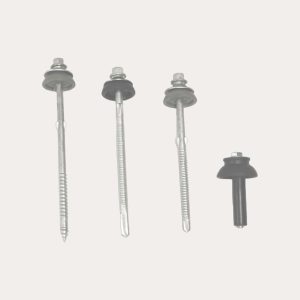
Fixing position is just as important as lap length. The sheets need to be secured so the overlap stays tight without distorting the profile. Overtightened fixings can crush washers and deform the sheet. Undertightened fixings can allow movement, rattling and water ingress.
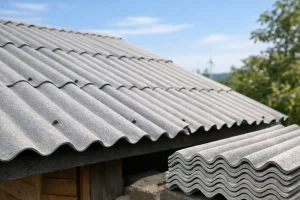
Most profiled sheet systems require stitching or lap fasteners at the overlap, along with the main sheet-to-purlin fixings set out for the profile. The exact pattern depends on the sheet type and span arrangement. Box profile, corrugated, fibre cement and insulated panels all have their own rules.
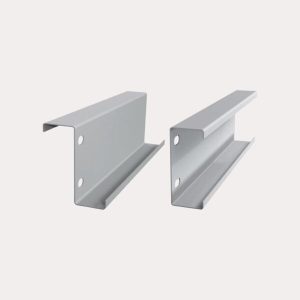
It also depends on where the lap falls. If an end lap is not properly supported by the structure beneath, the joint can flex under load. That leads to stress on the fixings and a greater chance of the seal breaking down over time. Good setting out before installation saves a lot of frustration here.
Common mistakes that cause leaks
The most common problem is simply making the lap too short. It may look acceptable once fixed, but under heavy rain and wind it can fail quickly. Another frequent issue is relying on sealant alone instead of using the right overlap detail for the pitch.
Poor alignment is another one. If the sheets are not square and the profiles do not nest cleanly, the end lap cannot close properly. You can also run into trouble by leaving swarf on the roof, damaging the coating during cutting or using the wrong fixings for the sheet and substructure.
Then there is mixing components without checking compatibility. A roof is not just sheets. Fixings, foam fillers, flashings, closures and tapes all need to work as one system. That is why a one-stop supply route often makes life easier, especially on larger jobs where missed accessories turn into site delays.
Roof sheet end lap guide for different roof types
For a simple shed or garage roof, the goal is usually straightforward weather protection at sensible cost. A standard profiled steel sheet with the correct end lap, matching fixings and proper verge and ridge flashings will usually do the job well. On these projects, leaks often come from skipped details rather than bad materials.
On agricultural and equestrian buildings, exposure and condensation control tend to matter more. Larger roof areas, stronger winds and more demanding internal conditions mean the end lap detail must be dependable. Anti-condensation backing, rooflights and ventilation details all need to sit alongside a sound overlap design.
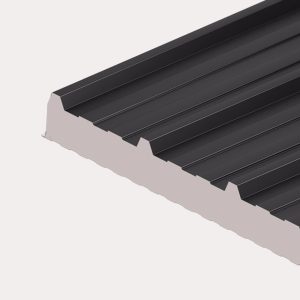
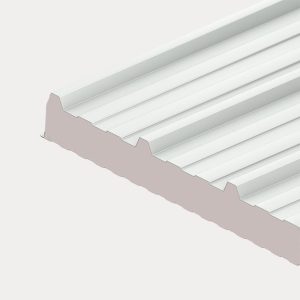
For insulated panel roofs, the lap detail is more system-led. These products offer excellent thermal performance and a sleek, strong finish, but they need to be installed to the panel manufacturer’s guidance. The overlap, stitching and sealing arrangement can differ from single-skin sheets, so guessing is a poor idea.
Planning the roof before you order
A good roof starts on paper, not on the scaffold. If you know the roof slope, sheet direction, purlin centres and overall run, you can work out whether end laps are needed at all or whether full-length sheets are the better route. In many cases, using longer sheets reduces joints and speeds up installation, but handling on site becomes a factor.
That is where practical support helps. Tradespeople often know exactly what they want, while homeowners and smaller contractors may need a bit more guidance on profile choice, accessories and fitting details. Getting everything specified together means fewer surprises when delivery arrives.
Roof Sheets Online works with customers across Great Britain who need sheets, fixings, flashings and the smaller but essential items that make the job weatherproof. If you can sort the full package at the ordering stage, the roof tends to go on faster and with fewer compromises.
When to ask for technical advice
If the roof pitch is shallow, the site is highly exposed or the sheet type is unfamiliar, it is worth checking the detail before installation. The same applies if you are joining into existing roofing, matching older profiles or planning a refurbishment where the structure underneath may not be perfectly true.
A quick technical check can save wasted sheets, repeat labour and the cost of chasing leaks later. It is also sensible where insulated panels, rooflights or specialist flashings are involved, because the interface details matter just as much as the field of the roof.
The end lap is a small part of the roof, but it carries a lot of responsibility. Treat it as a proper weathering detail, not an afterthought, and the whole build will be better for it.