That moment usually comes late in the job. The profile is chosen, the sheet length is sorted, fixings and flashings are on the list, and then someone asks which colour you want. If you are trying to choose roof sheet colour for a shed, garage, stable, workshop or commercial unit, it is worth slowing down for five minutes. The right colour does more than change the look of the roof. It can affect heat build-up, how clean the building looks over time, and whether the finished job sits comfortably with its surroundings.
A lot of buyers start with appearance, which is fair enough. A roof is one of the biggest visible surfaces on any building. But colour choice works best when it balances looks with performance, maintenance and the setting of the project. That is especially true if you are buying steel roof sheets, insulated panels or cladding systems that are designed to last for years rather than just get you through one season.
What matters when you choose roof sheet colour
The first question is not really which colour looks best. It is what the building needs the colour to do. A detached garden shed has different priorities from a stable block, an agricultural store or a light industrial refurbishment.
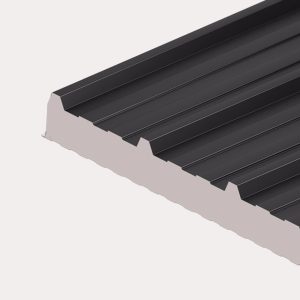
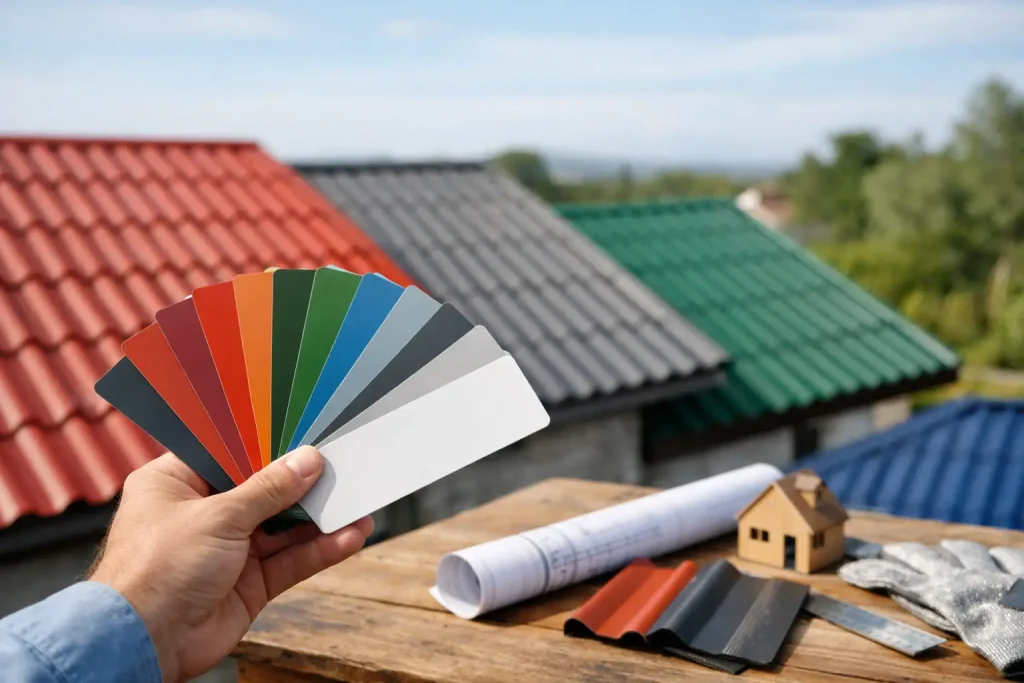
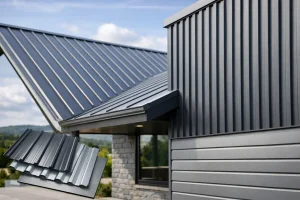
Darker shades such as anthracite, black and deeper greens often look smart and modern. They can give a simple building a sharper, more finished appearance. On domestic-style projects, they tend to pair well with dark windows, doors and gutters. On commercial and agricultural buildings, darker colours can also help a roof look less visually dominant from a distance.
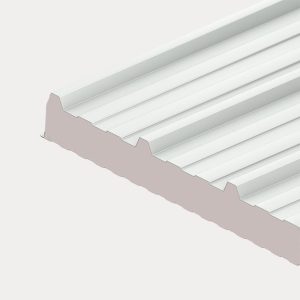
Lighter shades such as light grey, goosewing grey or white-faced finishes can reflect more sunlight and help reduce surface heat gain. That does not mean the building will stay cold in summer, especially if ventilation and insulation are poor, but it can make a noticeable difference compared with very dark sheets in full sun. For workshops, stores and outbuildings where summer heat is a concern, this is worth thinking about early.
There is also the practical side. Very dark roofs can show dust, pollen, bird mess and water spotting more readily. Very light roofs can show streaking and general grime over time, especially under trees or in exposed areas. Mid-tone colours often strike the easiest balance if you want a roof that keeps a tidy appearance without demanding regular cleaning.
Choose roof sheet colour by building type
A domestic garage or garden building usually benefits from a colour that ties in with the house rather than fights against it. If the property already has anthracite frames, black rainwater goods or grey paving, a matching grey roof sheet often feels like the obvious choice because it makes the whole project look planned rather than added on.
For stables, barns and agricultural buildings, green remains popular for a reason. It sits well in rural settings and tends to soften the visual impact of larger structures. Juniper green and olive-type shades are often chosen because they look practical, not flashy. They do the job without standing out too much in open surroundings.
Workshops, trade units and industrial buildings often lean towards greys, blacks and neutral coated finishes because they give a clean, professional look. If the walls and roof are both being clad, think about the full colour combination rather than the roof in isolation. A dark roof over lighter wall sheets can look crisp and modern. A single-colour scheme can look more utilitarian and is sometimes the better fit for trade premises.
If the building is highly visible from the road or neighbouring properties, it is usually worth stepping back and viewing the full site. A colour chip in your hand and a completed roof at six metres wide are two very different things.
Heat, light and long-term performance
Colour does not change the core weather resistance of a properly manufactured roof sheet, but it can influence how the roof behaves in daily use. This is one of the main trade-offs to keep in mind.
Darker colours absorb more heat. On an uninsulated garage, shed or workshop, that can make the inside feel hotter in warm weather. In winter, it does not automatically mean better comfort because heat retention comes down more to insulation, airtightness and condensation control than sheet colour alone.
Lighter colours can help reduce solar gain, which is useful on south-facing roofs and buildings that already run warm. They can also brighten the appearance of a site. If you are fitting rooflights as part of the build, a lighter roof may support that brighter overall look.
On insulated roof panels, colour still matters, but less than buyers sometimes assume. The insulation core is doing most of the thermal work. In that case, colour becomes more about surface temperature, visual appearance and surrounding design than headline thermal performance.
Match the finish, not just the shade
When customers choose roof sheet colour, they often focus on the shade card and forget the coating. That can be a mistake. The same grey can look very different depending on whether it is supplied in polyester, PVC plastisol or another finish.
A smoother, more economical coating may suit lower-demand projects where cost is the main driver. A thicker, tougher finish is often a better investment for buildings exposed to harsher weather, agricultural environments or heavier wear over time. It can also affect how the colour holds up and how premium the roof looks once installed.
This matters if you are trying to match a wall sheet, flashing or trim. Do not assume that a colour name on one product line will look identical across every sheet type and coating. If you want a neat, consistent finish, it is sensible to check the full specification rather than relying on the name alone.
Think about the surrounding materials
The roof does not sit on its own. Flashings, ridge pieces, bargeboards, gutters, doors, wall sheets and even the base materials all affect how the final colour reads.
A charcoal roof with matching flashings and dark trims can look sleek and strong. The same roof next to bright white fascias and a red brick wall might feel more contrast-heavy. Sometimes that is exactly the look you want. Sometimes it makes the roof stand out more than expected.
If the project includes cladding as well as roofing, choose the combination as one package. This is where a one-stop order helps because you can line up sheets, trims and fixings properly instead of trying to piece together similar-looking components from different places.
For refurbishments, remember that weathered existing materials can make a new roof colour appear cleaner, darker or brighter than planned. If only part of the building is being re-sheeted, the gap between old and new can be more noticeable with some colours than others.
Planning, location and common sense
Not every colour choice is purely down to preference. Some sites have planning considerations, neighbouring visibility issues or estate rules that narrow the options.
In rural and conservation-sensitive areas, muted greens and greys are often the safer route. On modern domestic projects, anthracite and slate-like tones are commonly accepted because they suit contemporary windows and doors. On commercial premises, brand colours might come into play, but it is still worth asking whether the roof needs to be a visual feature at all.
There is also the local environment. If the building sits near trees, farm traffic, dusty yards or coastal exposure, a colour that hides everyday marks a little better may save you disappointment later. A roof should look good on day one, but it also needs to look respectable after months of British weather.
A simple way to make the right choice
If you are stuck between a few options, work backwards from the job. Ask which colour suits the setting, which one keeps the building looking tidy, and whether heat build-up is likely to matter. Then check the coating, the matching trims and the rest of the specification.
That usually narrows things down quickly. Most projects do not need a dramatic colour statement. They need a practical, weather-resistant finish that looks right for the building and still looks right years later.
At Roof Sheets Online, that is how we tend to look at it. Get the sheet profile right, get the accessories right, and choose a colour that works hard as well as looking the part. If you are unsure, a quick technical conversation before ordering is far better than regretting the choice once the sheets are on the roof.
A good roof colour should feel obvious once the building is finished. Not because it shouts the loudest, but because it suits the job so well you stop noticing it and get on with using the building.