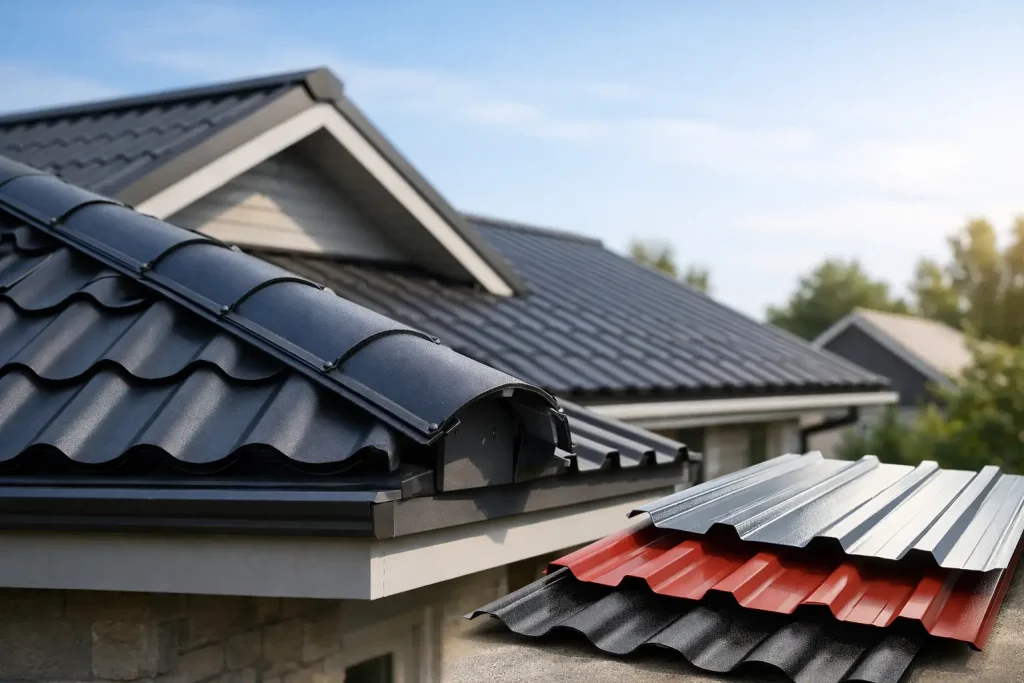
If you are pricing a new roof for a garage, workshop, stable, farm building or commercial unit, steel roofing sheets usually end up on the shortlist very quickly. That is for good reason. They are strong, weather-resistant, quick to fit and available in profiles and finishes that suit everything from a simple shed roof to a larger insulated build.
The catch is that not all sheeted roofs perform the same way. A roof that lasts and stays watertight comes down to getting the specification right from the start – not just the sheet itself, but the profile, coating, roof pitch, fixings, flashings and condensation control. That is where many buyers save a little on paper and pay for it later.
Steel gives you a practical balance of strength, coverage and cost. Compared with many traditional roofing materials, sheets go on quickly and cover large areas with fewer components. That matters on trade jobs where labour time is a real cost, and it matters just as much for competent DIY customers who want a roof that is manageable to install.
It is also a versatile material. Steel roofing sheets can be used on domestic outbuildings, equestrian buildings, industrial units, agricultural structures and refurbishment projects where an existing roof needs replacing without overcomplicating the build. With the right finish, they offer very good durability in the British climate, even on exposed sites.
Another reason buyers choose steel is consistency. When sheets are precision-formed and matched with the correct flashings, fixings and closures, you get a tidy, dependable system rather than a patchwork of parts from different merchants.
The best sheet for one job may be the wrong one for another. Profile, thickness, finish and insulation all affect performance.
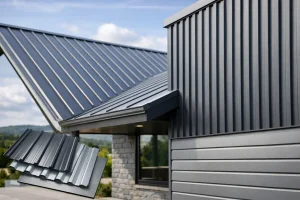
Box profile sheets are a common choice for modern roofs and wall cladding. They look clean, provide good spanning capability and suit a wide range of agricultural, industrial and domestic applications. If you want a smart, straightforward finish on a garage, workshop or unit, box profile is often the first option worth looking at.
Corrugated sheets have a more traditional appearance and are still a solid choice for many agricultural and rural buildings. They can be especially suitable where you want that classic curved profile or where the existing building already uses corrugated materials.
The decision is not only about looks. It can also depend on the existing structure, the spans involved and what accessories you need to match.
For basic shelters, stores, canopies and open-sided buildings, single skin steel sheets can be the most cost-effective answer. They are quick to install and do the job well when thermal performance is not the main concern.
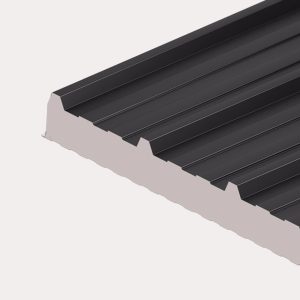
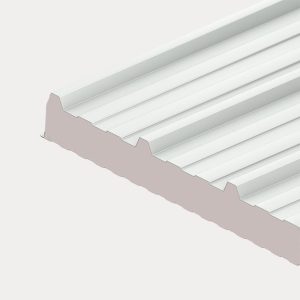
If the building is enclosed and used regularly, insulated roof panels are often a better long-term choice. They help control internal temperature, reduce condensation risk and create a more usable space. For workshops, garden rooms, commercial units and refurbished buildings, insulated systems can save problems later, particularly where tools, stock or livestock are involved.
A steel roof is only as good as its protective coating. Polyester and Plastisol finishes each have their place, and galvanised options still suit some applications, but the right choice depends on exposure, budget and expected lifespan.
If you need a harder-wearing finish with strong resistance to weathering and a more premium feel, Plastisol is often the better fit. For lower-cost applications, polyester may be suitable, especially on less demanding sites. Coastal or highly exposed locations may need more careful consideration, because environment has a direct effect on how the roof will perform over time.
People often ask how long steel roofing sheets last. The honest answer is that it depends on specification and installation.
A well-made sheet with the right coating, fitted correctly and maintained sensibly, can deliver many years of reliable service. Problems tend to start when the wrong finish is used for the site, sheets are fixed poorly, overlaps are misjudged or cheap fixings are used to cut costs.
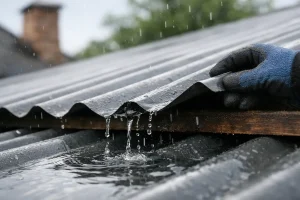
Condensation is another issue that gets overlooked. The roof may not leak from above, but moisture forming underneath can still cause damage to stored items, timber structure and internal finishes. For some buildings, an anti-condensation backing on single skin sheets is worth considering. For others, proper insulation and ventilation are the better answer.
The structure beneath the sheets matters too. Purlin spacing, roof pitch and support conditions all affect how the roof performs in wind and rain. A sheet is only one part of the full system.
Steel sheet roofing is known for fast installation, but that should not be mistaken for foolproof installation. Even strong, weatherproof sheets can underperform if the details are rushed.
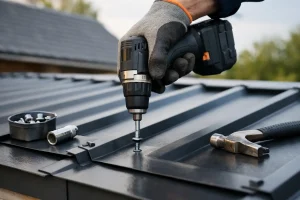
Correct end laps and side laps are essential. So is using the right number and type of fixings in the correct positions. Flashings at ridges, verges, eaves and abutments need to be planned as part of the job, not added as an afterthought when the sheets are already on site.
Cutting method matters as well. Sheets should be handled and cut in a way that protects the finish. Poor site practice can damage the coating and shorten the life of the roof before the building is even handed over.
This is why buying a complete package makes sense. When the sheets, flashings, rooflights, fixings and supporting components are planned together, installation is smoother and the finished roof is more likely to perform as intended.
A lot of roofing issues come from missing or mismatched accessories rather than faulty sheets. Buyers naturally focus on the main covering, but the finishing parts are what complete the weatherproof envelope.
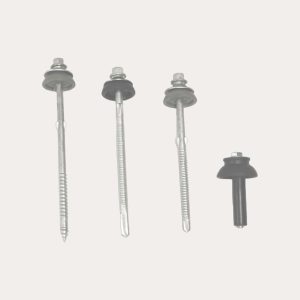
Fixings need to suit the sheet profile and the substrate. Flashings need to match profile and colour where required. Foam fillers, stitching screws, sealants and closures all have a role depending on the build. If rooflights are being added, they need to be compatible with the profile and layout of the roof.
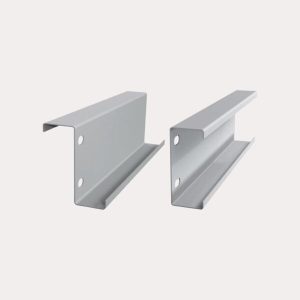
For larger or more structured builds, purlins and support steel also need to work with the span and loading requirements. That is why a one-supplier approach is often easier. It cuts down the risk of ordering parts that technically fit on paper but create headaches on site.
Steel sheets are popular because they suit a wide range of projects without becoming over-engineered. They are ideal for garages, carports, workshops, barns, stables, lean-tos, stores and industrial roofing. They also work very well for refurbishment, where a tired roof needs replacing with something lighter, cleaner and quicker to install than many traditional alternatives.
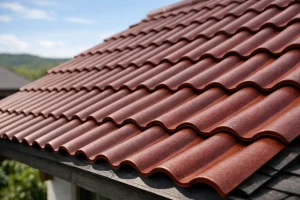
That said, every project has limits. If appearance is the overriding priority on a highly decorative domestic property, another roofing material may be more appropriate. If acoustic performance is a major concern, you may need to think beyond the sheet alone and consider the full roof build-up. Steel is a very practical option, but practical does not mean one-size-fits-all.
Everyone wants competitive pricing, especially on larger square metreage, but the cheapest sheet is rarely the cheapest roof over time. If a low-cost option leads to early coating failure, condensation issues or extra labour on site, the savings disappear quickly.
A better way to buy is to look at the whole roof package. Ask what finish suits the location. Check whether anti-condensation treatment or insulation is needed. Make sure the accessories are included. Confirm delivery timing so the job is not delayed waiting on one missing trim or box of fixings.
That is the difference between simply buying sheets and buying a roof system that is ready to install.
At Roof Sheets Online, that practical approach matters. Customers want premium quality, competitive pricing and fast UK-wide delivery, but they also want someone to help make sure the specification is right the first time.
If you already know the exact profile, finish and size you need, ordering steel roofing sheets can be straightforward. If you do not, a short conversation before purchase can save a lot of wasted cost and site frustration.
The key questions are simple. What is the building used for? Is it open or enclosed? What roof pitch have you got? Is condensation likely? Do you need insulation? What accessories are required to complete the job properly? Once those answers are clear, the right product choice usually becomes clear as well.
A steel roof should feel like a dependable solution, not a gamble. Get the right sheets, match them with the right components, and you end up with a roof that is sleek, strong and built to cope with British weather. If you are unsure which route to take, ask before you order – it is always easier to get it right on paper than to fix it on site.
Roof Sheets Online Ltd
UNIT C4
MACROME ROAD
Wolverhampton
WV6 9HD
Company No 15150940
Vat No. 4880 70856