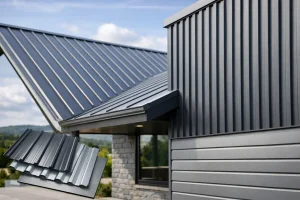
If you are pricing a new garage, workshop, stable or farm building, the sheet itself is only half the job. The roof has to cope with wind, rain, condensation and years of hard use, and the wrong profile or finish can cost more later in repairs, callbacks or premature replacement.
That is why metal roof sheets remain such a popular choice across the UK. They are strong, relatively lightweight, quick to install and available in profiles and finishes that suit everything from a domestic outbuilding to a larger industrial or agricultural roof. The key is choosing the right sheet for the building, not just the cheapest one on the page.
Why metal roof sheets are still the practical choice
For many projects, metal roof sheets offer the best balance of durability, coverage and speed. A steel sheet can cover a large area quickly, which keeps labour time under control. On refurbishments, the lighter overall weight can also be useful where the existing structure has limits.
They are also well suited to British weather. Good quality coated steel sheets are built to stand up to repeated rain, UV exposure and general site wear. If the roof pitch is correct and the accessories are properly matched, you get a clean, weather-resistant system that performs well year after year.
That said, metal is not a one-size-fits-all answer. If noise reduction is the top priority, or if you are roofing a building with specific acoustic or thermal demands, an insulated panel or an alternative sheet type may be the better fit. It depends on how the building will be used, how often it will be occupied and what level of internal comfort you need.
Which type of metal roof sheet do you need?
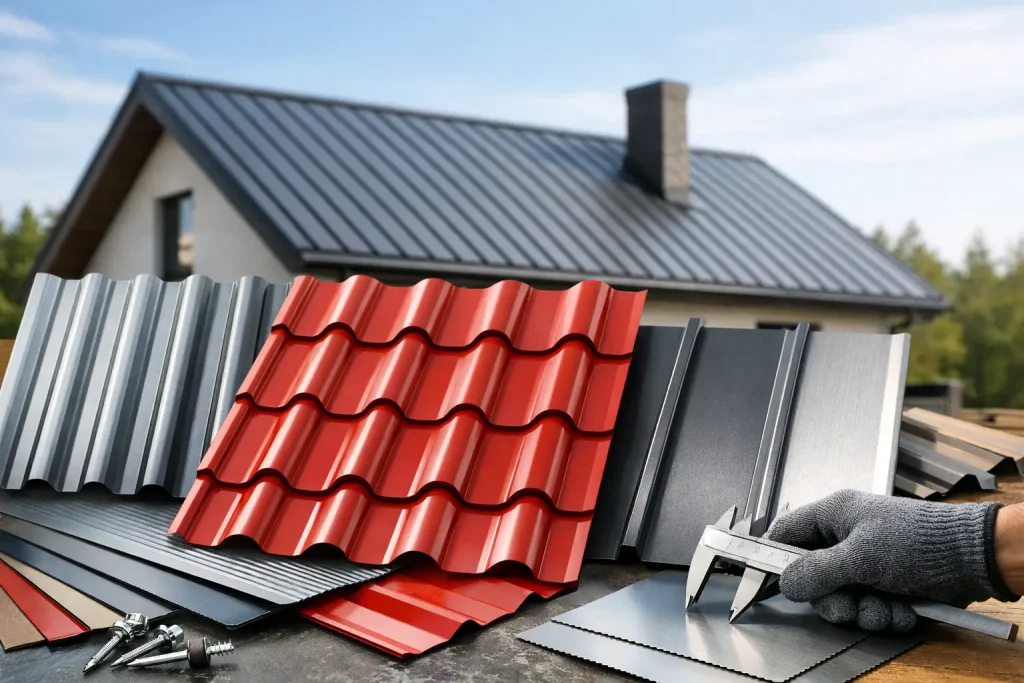
The most common choice for general roofing is profiled steel sheeting. Within that, the two profiles many buyers compare first are box profile and corrugated.
Box profile sheets
Box profile sheets are a popular option for garages, workshops, industrial units, agricultural buildings and many refurbishment jobs. They give a modern, clean look and good spanning performance, which makes them practical for a wide range of roof structures.
They are often the straightforward answer when you want strength, tidy lines and efficient coverage. They also pair well with the usual supporting components such as flashings, fixings, foam fillers and rooflights.
Corrugated sheets
Corrugated sheets have a more traditional appearance and are still widely used on agricultural, domestic and light commercial projects. They can suit older buildings particularly well where a softer, more familiar profile looks right.
In practical terms, they remain a proven roofing solution. The choice between corrugated and box profile often comes down to appearance, structural requirements and what is already on the building if you are matching an existing roof.
Insulated metal roof systems
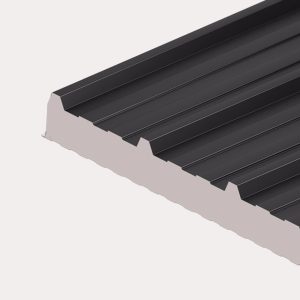
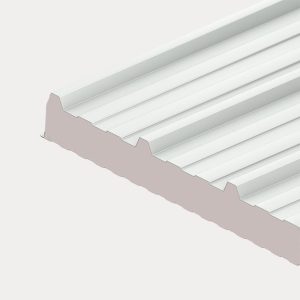
If the building needs temperature control or better condensation performance, insulated panels are worth serious consideration. They cost more upfront than single-skin sheets, but they can save time on build-up and deliver much better thermal performance.
For workshops, offices, commercial units and higher-spec outbuildings, insulated systems can be the smarter long-term option. They are especially useful where the internal space needs to stay drier, warmer and more usable throughout the year.
Choosing the right finish for UK conditions
The profile matters, but so does the coating. This is where long-term value is often won or lost.
Polyester is commonly selected for cost-effective projects where a good-looking finish is needed without pushing the budget too far. It is suitable for many general applications, though it will not usually offer the same level of durability as a heavier-duty finish.
Plastisol is a strong choice where the roof will take more punishment from weather or site conditions. It has a thicker coating, a tougher feel and is widely chosen for agricultural, industrial and exposed environments. If you want a finish that is built for harder service, it is often worth the extra spend.
Galvanised options also have their place, especially where a plain, practical appearance is acceptable. The right choice depends on exposure, expected lifespan, budget and the look you want from the completed roof.
For coastal or highly exposed locations, it is always worth checking the specification carefully rather than assuming any standard coated sheet will do the job. A few pounds saved at ordering stage can be a false economy if the environment is harsher than average.
What to consider before you order metal roof sheets
The biggest mistakes usually happen before installation starts. Buyers focus on sheet price and overlook the details that make the roof work properly.
First, think about the building use. A garden shed storing tools has very different demands from a stable, workshop or commercial unit. If people, livestock or sensitive equipment will be inside, insulation and condensation control become far more important.
Next, check the roof pitch. Not every profile performs the same way at lower pitches, and the sheet layout needs to suit the fall of the roof. Overlaps, drainage and weather tightness all depend on getting this right.
Then consider the full roof build-up. You may need anti-condensation backing, insulated panels, rooflights, purlins, flashings, closures and the correct fixings. This is where buying from a specialist supplier makes life easier. A roof is a system, not just a stack of sheets.
Sheet length is another point worth getting right first time. Made-to-length sheets can reduce end laps, speed up fitting and improve the finished look, but access to site and safe handling need to be considered. Very long sheets are efficient on the roof but can be awkward in transit and on installation if the site is tight.
Don’t forget condensation and ventilation
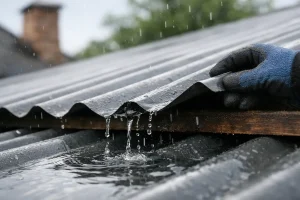
Condensation is one of the most common issues with metal roofing, particularly on garages, workshops, stables and agricultural buildings. It is not a sign that the sheet has failed. It is usually a result of warm moist air meeting a colder roof surface.
If the building is uninsulated, anti-condensation fleece can help manage moisture on the underside of the sheet. Good ventilation also plays a major role. In buildings with more demanding internal conditions, insulated roofing may be the better answer.
This is one of those areas where the cheapest option can become expensive. A low-cost single-skin roof may look attractive on paper, but if the building suffers from regular dripping, damp tools, mould or unhappy occupants, the saving disappears quickly.
The accessories matter as much as the sheet
A lot of roofing problems come from the edges, laps and penetrations rather than the main sheet area. That is why it pays to think beyond the panel itself.
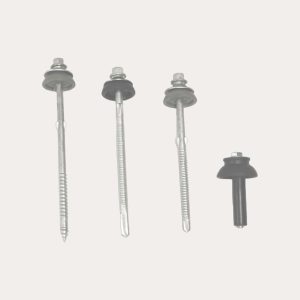
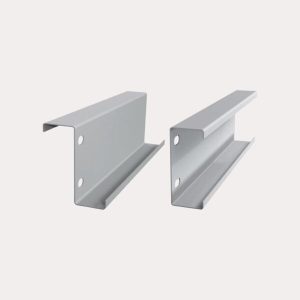
Correct fixings are essential. The wrong fastener, washer or stitcher can compromise weather resistance and shorten the life of the roof. Flashings need to match the profile and roof layout. Foam fillers help close gaps at the eaves and ridge. Rooflights need to integrate properly with the surrounding sheets. Even purlins and support spacing have a direct effect on how the finished roof performs.
For trade buyers, this is about avoiding delays and remedial work. For competent DIY customers, it is about making sure the roof goes together properly without repeated guesswork. A one-stop order with all the supporting components usually saves time, reduces hassle and lowers the risk of missing something important.
When price matters – and when it should not lead the decision
Budget always matters. Whether you are roofing a single garage or a multi-bay agricultural building, cost per square metre is part of the decision.
But the cheapest metal roof sheets are not always the best buy. A lower-grade finish, the wrong profile, missing accessories or a poor match to the building use can create far greater costs later. Extra labour, leaks, condensation issues and shorter service life all affect the true value of the roof.
A better approach is to buy to the job. For a simple storage building, a straightforward profiled sheet may be exactly right. For a premium outbuilding or year-round workspace, a more durable finish or insulated system can be money well spent. The best result usually comes from balancing upfront cost with lifespan, performance and installation efficiency.
If you are not certain which route to take, specialist advice is worth using. Roof Sheets Online supports customers across Great Britain with the sheets, flashings, fixings and technical guidance needed to get the specification right first time.
Good roofing decisions rarely come from chasing the lowest figure alone. They come from choosing metal roof sheets that suit the building, the environment and the way the space will actually be used – then making sure every supporting component is ready to go with them.