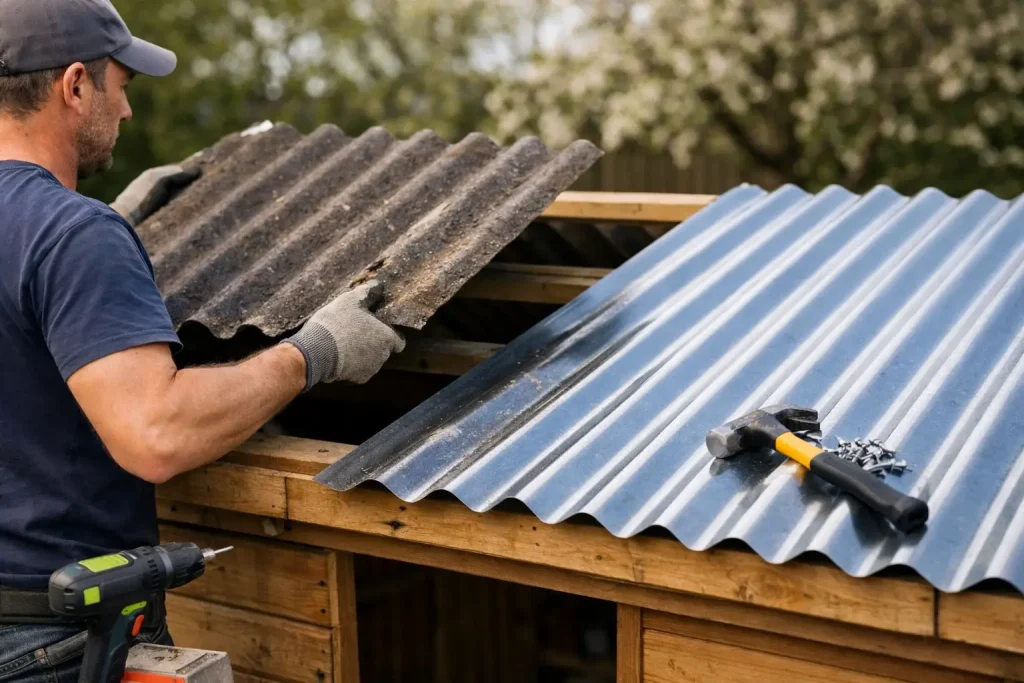
A shed roof usually starts telling you it has had enough long before it fails completely. You see a few loose fixings, a damp patch near the ridge, a bit of daylight where there should not be any, and suddenly a simple repair turns into a full re-roof. If you need to replace shed roof sheets, getting the specification right first will save time, wasted materials and repeat leaks.
For most sheds, workshops, garages and small agricultural buildings, the job is straightforward enough if the supporting structure is sound. The main mistakes tend to happen before the first sheet goes on – ordering the wrong profile, forgetting the correct fixings, or trying to reuse trims and flashings that have already done their job. A shed roof does not need overcomplicating, but it does need the right sheet, the right accessories and a clean fitting sequence.
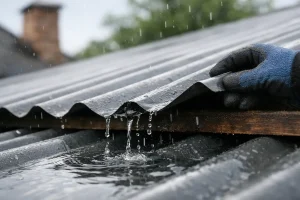
Not every roof needs stripping. If one sheet has minor damage from impact and the rest of the roof is dry, secure and still coating well, a like-for-like replacement can be enough. The problem is that older shed roofs often fail in more than one place at once. Fixings start backing out, overlaps weaken, sheets crack around fastener points, and condensation damage may have affected the timber beneath.
If several sheets are corroded, brittle or lifting in the wind, replacement is usually the better spend. The same applies if the existing roof was never fitted with proper closure pieces, sealants or matching fixings. You can keep patching weak details for a while, but water normally finds the next route in.
It also makes sense to replace the full roof if you want better performance. Moving from tired bitumen or ageing fibre sheets to modern metal roofing can give you a cleaner finish, stronger weather resistance and a longer service life. If condensation has been an issue, it is worth looking at anti-condensation backing or even insulated sheets, depending on how the shed is used.
The best replacement sheet depends on the building, the pitch and what you keep inside. There is no single answer for every shed.
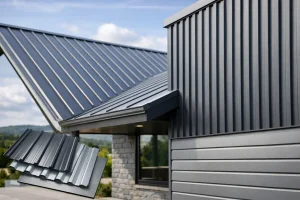
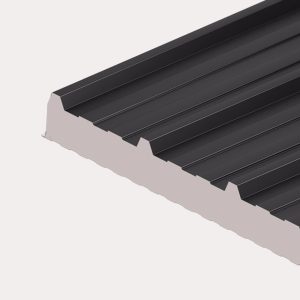
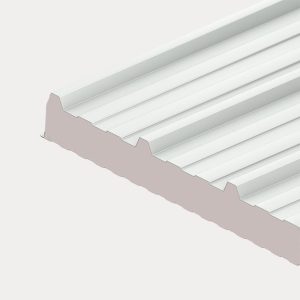
Box profile sheets are a popular choice where customers want a sleek, strong, weather-resistant finish with good water run-off and a more modern appearance. They suit many garden buildings, workshops and storage sheds, and they install quickly when the structure is set out correctly.
Corrugated sheets are another reliable option, especially if you want a more traditional agricultural look or need to match an existing building nearby. They are practical, familiar and effective, but profile matching matters. A corrugated sheet from one roof may not line through with another if the profile differs.
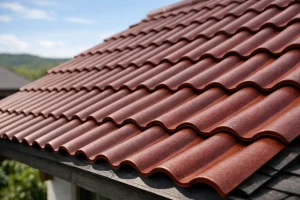
Fibre cement can still suit certain rural and agricultural settings where quieter rain impact and a non-metal finish are preferred. Flat sheets or insulated systems may also be suitable in specific applications, particularly if the shed is more than basic storage.
Material choice should be guided by four things: roof pitch, required lifespan, appearance and internal conditions. A simple timber shed storing garden tools has different demands from a workshop with electrics, machinery or moisture-sensitive stock. If you want long-term value, pay attention not just to the sheet itself but to coating quality, sheet thickness and whether the full accessory package is available.
Most problems on re-roof jobs come from assumptions. Measure the roof properly, then check those figures again.
Take the slope length from eaves to ridge, not just the building footprint. Measure the full width of each roof plane and account for side laps, end laps and overhangs. If the roof is dual-pitch, measure both sides separately. Older sheds are not always square, so the two sides can differ more than you expect.
You also need to identify the existing profile if you are only replacing part of the roof. Box profile and corrugated sheets are not interchangeable, and even sheets that look similar can have different cover widths and fixing positions. If you are replacing everything, you have more freedom, but you still need the sheets, fixings, flashings and any rooflights to work together as a system.
That is why many buyers prefer a one-supplier order. It keeps compatibility simpler and reduces the chance of missing critical items on delivery day.
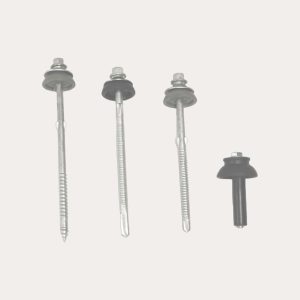
A shed roof is rarely just sheets and screws. To replace shed roof sheets properly, you will often need matching fixings with washers, ridge flashings, barge boards or verge trims, foam fillers, sealants and possibly rooflights if you want to bring daylight back into the space.
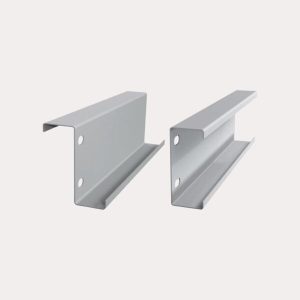
Check the substructure too. If timber purlins or battens have softened, split or twisted, replace those before the new sheets go on. New sheets fitted onto weak supports are asking for movement, noise and water ingress later.
Fixings should match the sheet type and the structure beneath – timber fixings for timber, self-drilling fasteners for steel. Using whatever screws are lying around in the van is one of the quickest ways to shorten the life of a new roof.
Start by choosing a dry, calm weather window. Sheet handling in wind is awkward on a small roof and risky on a larger one.
Strip the old roof carefully and inspect the structure underneath as you go. Do not assume the frame is sound because the shed is still standing. Look for damp timbers, loose rails, sagging purlins and any evidence that previous leaks have been running for some time.
Make repairs to the frame first. Get the roof line straight, secure all supports and confirm spacing suits the new sheet specification. This part matters more than people think. Even premium sheets will not sit well on an uneven base.
Lay the first sheet square from the correct end of the roof, allowing the planned eaves overhang. If the first sheet starts out of line, every sheet after it will follow that error. Check alignment before fully fixing.
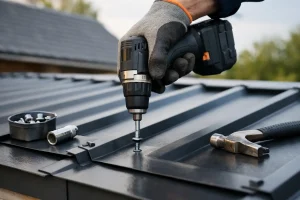
Install the remaining sheets with the correct side laps and end laps for the profile and roof pitch. Fix through the recommended points using the correct quantity of fasteners. Too few fixings can lead to wind lift. Too many, or over-tightened screws, can distort the sheet and damage the washer seal.
Fit ridge and verge details once the sheets are in place. Use foam fillers or closures where needed to help keep out wind-driven rain, insects and debris. Finish by checking all laps, trims and fasteners before the job is signed off.
The biggest one is under-ordering accessories. Customers often focus on the sheets and forget that the weatherproofing depends on the details. Missing fixings or flashings can stop a job dead.
Another common issue is mixing old and new components without checking compatibility. Reusing worn flashings, random screws or makeshift fillers might get the roof covered for now, but it rarely delivers a proper finish.
Then there is the condensation question. A shed used for storage, livestock-related kit, tools or occasional workshop use may see regular temperature swings. Metal roofs are excellent performers, but if moisture control matters, you should think about ventilation, internal use and whether an anti-condensation solution or insulated panel is the better route.
That depends on the size of the shed, the roof height and your confidence with measuring and fitting sheet systems. A straightforward garden shed can be within reach for a competent DIY buyer, particularly if the frame is sound and access is simple.
For larger workshops, garages, stables or agricultural outbuildings, trade installation is often the safer option. Handling longer sheets, setting laps correctly and dealing with flashings at height all need care. If the roof has existing structural issues, it is worth getting that assessed before materials are ordered.
There is also a middle ground. Some customers are happy to fit the roof themselves but want guidance on choosing the right profile, lengths and accessories. That is often the smartest way to avoid expensive guesswork.
A replacement roof should do more than stop the current leak. It should leave you with a cleaner, stronger and more dependable building that holds up through British weather. That means choosing quality-coated sheets, ordering all supporting components in one go and resisting the temptation to cut corners on fixings and trims.
If appearance matters, think about finish and colour alongside performance. If durability matters most, focus on coating quality and correct installation. If the shed is used every day, it is worth planning for light, ventilation and condensation control rather than treating them as extras.
At Roof Sheets Online, that is usually where the right conversation starts – not with a single product, but with the full roof build. When the sheets, flashings, fixings and supporting parts are specified together, the whole job tends to run faster and perform better.
If your current roof is at the stage where patching has become a habit, it is probably time to replace it properly and move on with a shed that stays dry, secure and fit for purpose.
Roof Sheets Online Ltd
UNIT C4
MACROME ROAD
Wolverhampton
WV6 9HD
Company No 15150940
Vat No. 4880 70856