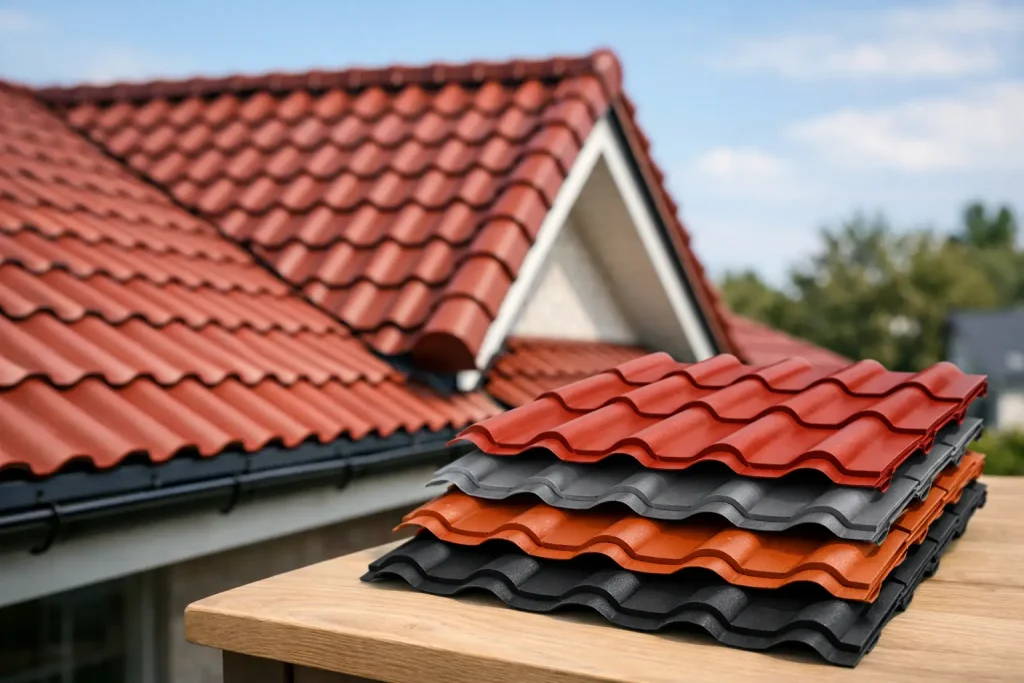
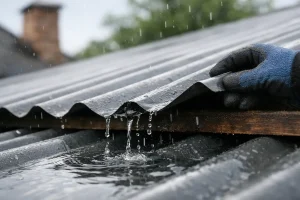
If you want the look of a tiled roof without the weight, labour and structural demand of individual tiles, tile roof sheets are usually the first product worth considering. They are a practical choice for garages, workshops, stables, garden buildings and many refurbishment projects where speed, weather resistance and a neat finish matter just as much as appearance.
That appeal is easy to understand on site. Traditional tiles can look excellent, but they take longer to fit, need more handling, and often place a greater load on the structure below. Sheet-based alternatives give you a similar visual effect in a much quicker-to-install format, which is why they are regularly chosen for light industrial, agricultural and domestic outbuildings across the UK.
What are tile roof sheets?
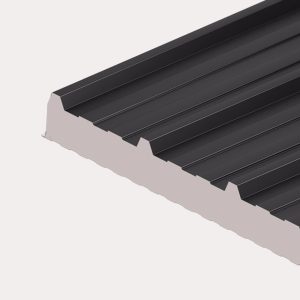
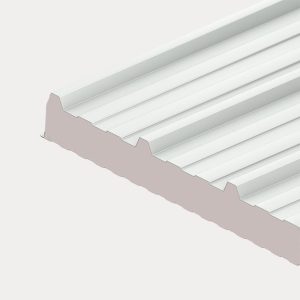
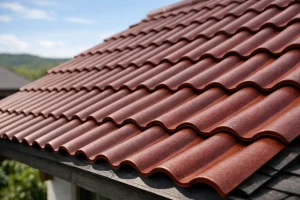
Tile roof sheets are profiled metal roofing sheets pressed to resemble the pattern of roof tiles. In most cases they are manufactured from steel with a protective coating, giving you a product that is sleek, strong and weather-resistant while still delivering a more traditional roofline than standard box profile or corrugated sheeting.
They sit in a useful middle ground. You get a smarter, more residential appearance than many industrial profiles, but you still benefit from sheet coverage, simpler handling and fewer individual components than a tiled roof build. That can make a real difference on projects where time on site, labour cost and ease of installation are all under pressure.
Where tile roof sheets work best
For many buyers, the right question is not whether tile-effect sheets are good, but whether they are right for the specific building. That depends on use, roof pitch, surrounding buildings and the finish you want.
Tile roof sheets for garages, stables and outbuildings
These sheets are especially popular on detached garages, car ports, workshops, barns, stables and garden rooms. In these settings, buyers often want a roof that looks more refined than agricultural sheeting but still performs like a modern metal system. Tile-effect sheets do that well.
They also suit refurbishment work where an older roof covering needs replacing with something lighter and faster to fit. If the existing structure is serviceable but not ideal for the weight of traditional tiles, sheeted systems can be a sensible solution.
When they may not be the best option
There are projects where another roofing system may be a better fit. On very low pitches, for example, the roof design needs checking carefully because different profiles have minimum pitch requirements. If the building is highly visible and subject to strict planning or conservation expectations, traditional tiles may still be preferred. And for heated spaces where thermal performance is a major factor, insulated panel systems may be more appropriate than a single-skin sheet.
That is where product selection matters. The roof covering should suit the building, not just the budget.
Why many buyers choose tile roof sheets
The main selling point is appearance, but it is far from the only one. A tile-effect sheet gives a familiar, pitched-roof look while cutting down installation time significantly compared with laying individual tiles. Because each sheet covers a much larger area, progress on site is quicker and coordination is simpler.
Weight is another major advantage. Tile roof sheets are much lighter than traditional tile coverings, which can reduce structural demand on rafters and supporting members. For replacement roofs, that can open up options that would otherwise involve more extensive structural work.
There is also the question of weather protection. A quality coated steel sheet is designed for long-term external exposure, and when fitted correctly with the right fixings, flashings and closures, it provides a dependable, weatherproof finish. That is why experienced installers rarely look at the sheet in isolation. The full system matters.
Finish, coating and long-term performance
Not all sheet roofs perform the same way over time. The base material, coating system and installation standard all affect lifespan and appearance. In most cases, steel tile sheets are supplied with a protective finish designed to resist corrosion and maintain a smart external look.
For many UK projects, coated finishes such as polyester or more durable plastisol-style options are chosen depending on exposure, budget and the expected lifespan of the building. If the roof is going on a domestic outbuilding in a sheltered location, one finish may be perfectly adequate. On a more exposed site, or where appearance retention matters over the longer term, it can make sense to step up to a more durable coating.
Colour choice also has a practical side. Darker shades can suit rural and residential settings, while more traditional tones may help the roof sit comfortably with existing buildings. The best choice is usually the one that balances appearance, maintenance expectations and local surroundings.
Tile roof sheets and condensation control
One of the most common mistakes in sheet roofing is focusing only on the outer finish and ignoring what happens underneath. Condensation can be a real issue in garages, workshops, agricultural buildings and other unheated spaces where warm moist air meets a colder roof sheet.
If that sounds familiar, you need to think beyond the visible profile. An anti-condensation backing or a more complete insulated roof build may be the better answer, depending on the use of the building. A storage shed and a stable do not behave the same way internally, and neither should be specified in the same way by default.
This is where trade-informed advice saves time and cost later. Choosing the right roof sheet is only part of the job. Choosing the right supporting components is what helps the roof perform properly in service.
What to order with tile roof sheets
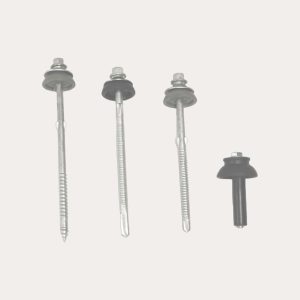
A roof is never just the sheet. To get a clean, weatherproof result, you need the correct accessories from the outset. That usually includes fixings matched to the structure, flashings for ridges and verges, foam fillers or closures where required, and rooflights if natural daylight is part of the brief.
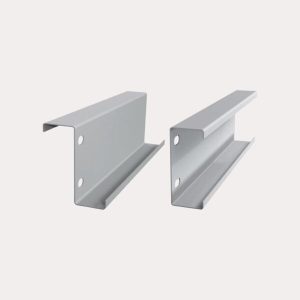
On some projects, purlins or other structural supports also need to be considered, particularly if you are starting from scratch rather than replacing like for like. Ordering everything together avoids the common problem of having sheets on site but no trims, wrong fasteners, or missing closure pieces holding the job up.
That is one of the practical advantages of buying from a specialist supplier rather than trying to piece the order together from several places. You are more likely to get a complete system that works together, not just a stack of sheets delivered to site.
Installation points worth checking first
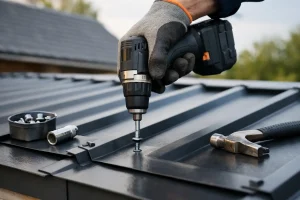
Tile roof sheets are quicker to install than individual tiles, but they still need to be fitted correctly. Sheet layout, side laps, end laps, fixing positions and roof pitch all affect final performance. If the sheet profile is installed outside the manufacturer’s guidance, the roof can look right from the ground but perform poorly in bad weather.
Before ordering, check the roof dimensions carefully, including overhangs and ridge details. Confirm the pitch is suitable for the chosen profile. Make sure the supporting structure is sound and spaced correctly. Then work out the trims and flashings needed to finish the perimeter properly.
For straightforward jobs, competent DIY buyers can often manage installation with care and the right guidance. For larger roofs, exposed sites or more technical layouts, experienced trade installation is the safer route.
How to decide if tile roof sheets are the right fit
Start with the building itself. If you want a roof that looks tidy and traditional from a distance, but you need the speed, coverage and lower weight of sheet roofing, tile-effect sheets are a strong option. They make a lot of sense for outbuildings, refurbishments and projects where structure and labour efficiency matter.
Then look at performance. Consider the pitch, the exposure of the site, whether condensation is likely, and whether the building is heated or unheated. Think about finish and lifespan, not just upfront cost. A cheaper sheet that does not suit the building is not better value.
Finally, think in terms of the complete roof. Sheets, fixings, flashings, fillers, rooflights and support components all need to work together. That is the difference between simply covering a roof and building one that lasts.
At Roof Sheets Online, that is exactly how we approach it – helping customers across Great Britain get the right sheet, the right accessories and the right advice first time. If you are weighing up options for your next roof, a well-specified tile-effect system can give you the finish you want without making the job harder than it needs to be. Get the details right at the start, and the whole build tends to go more smoothly.