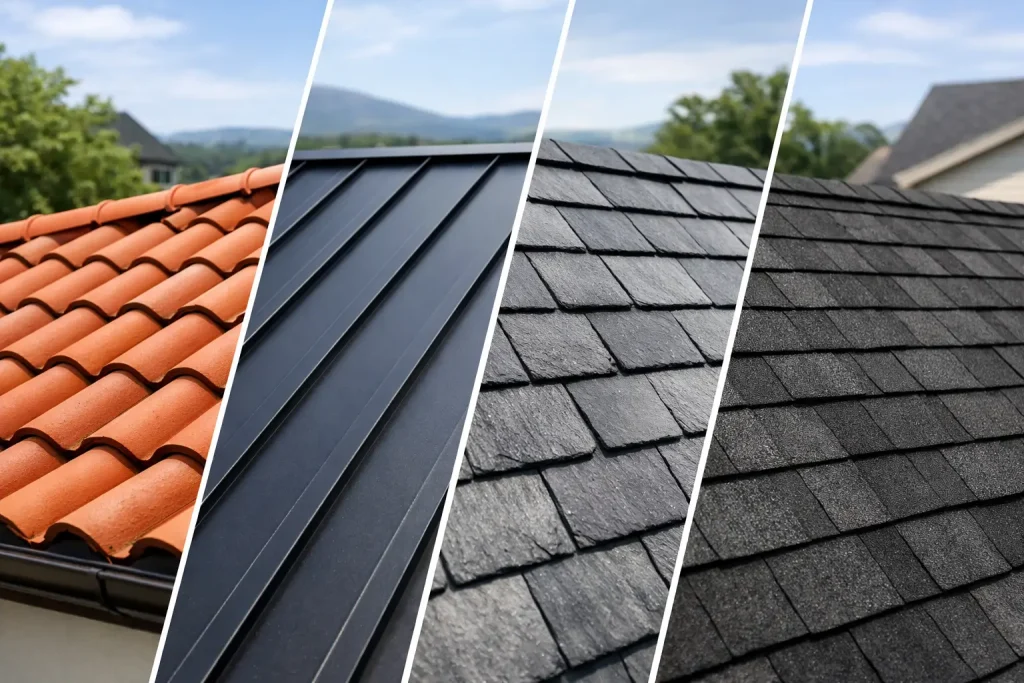
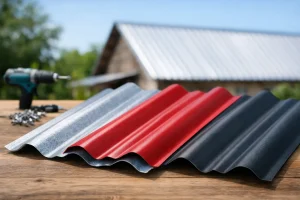
A leaking workshop, a sweating stable roof, or a garage that looks tired after a few hard winters usually comes back to one thing – the wrong roof cladding for the job. Get the specification right at the start and you save time on site, avoid awkward call-backs, and end up with a finish that works as hard as the building beneath it.
What roof cladding actually does
Roof cladding is the outer layer that protects a roof structure from the weather while helping manage water run-off, durability, appearance and, in many cases, thermal performance. On agricultural buildings, garages, sheds, workshops and light industrial units, sheeted systems are often the practical choice because they cover large areas quickly and deliver reliable weather resistance when installed properly.
That said, roof cladding is not just about the top sheet. Performance depends on the full build-up – sheet profile, material, coating, fixings, flashings, foam fillers, rooflights, and the support structure beneath. A good-looking sheet fitted with the wrong fixings or poorly detailed flashings can fail long before the sheet itself should.
Choosing roof cladding by building type
The best option depends on what the building needs to do. A garden shed and a production unit may both use profiled sheeting, but the demands are completely different.
For simple outbuildings such as garages, stores and small workshops, corrugated or box profile sheets are often the most cost-effective route. They are strong, weather-resistant and quick to fit. Corrugated sheets suit more traditional or agricultural-style buildings, while box profile gives a cleaner, more modern look with good spanning capability.
For stables, barns and farm buildings, durability and condensation control usually matter more than appearance alone. Fibre cement can be a strong choice where a quieter sheet and reduced condensation risk are wanted. Metal sheeting also works well, especially where strength, low maintenance and speed of installation are priorities, but it may need an anti-condensation backing or an insulated system depending on the use of the building.
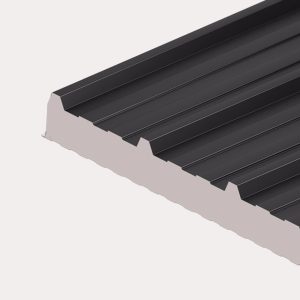
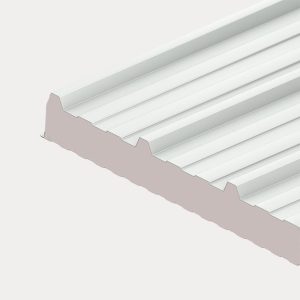
For workshops, commercial units and extensions where thermal performance matters, insulated roof panels are often the better long-term option. They cost more upfront than single-skin sheets, but they combine outer sheet, insulation core and internal liner in one product. That can reduce labour on site and improve the finished result, particularly where heat loss or internal comfort is a concern.
The main roof cladding materials
Steel roof sheets
Steel remains one of the most popular choices for roof cladding in the UK because it balances strength, lifespan, coverage and value. It suits domestic, agricultural and commercial projects alike. The key is choosing the right finish.
A polyester finish is a practical entry point for general-purpose use where budget matters. Plastisol is thicker and tougher, so it is often preferred for harsher environments or where a longer-lasting, more durable surface is wanted. Galvanised sheets can suit certain utility applications, but the final choice should always reflect exposure, expected lifespan and the finish you want on the building.
Fibre cement sheets
Fibre cement roof cladding is often chosen for agricultural and equestrian buildings. It offers a more muted appearance than steel and helps reduce condensation naturally. It can also be quieter in heavy rain, which is useful in some settings.
The trade-off is that fibre cement is heavier and more brittle than metal sheeting, so handling, support centres and installation details matter. It can be an excellent fit, but not every project needs it.
Insulated panels
Insulated panels are the premium route for many heated buildings or where condensation control is critical. They provide very good thermal performance, a clean internal finish and fast installation because several layers are combined into one system.
The obvious trade-off is price. For an unheated shed, insulated panels may be more than you need. For a workshop, garden room, commercial unit or refurbishment where energy efficiency matters, they can be well worth the investment.
Profile matters more than many buyers expect
It is easy to focus on colour and coating, but sheet profile affects both appearance and performance. Box profile sheets are popular because they look neat, offer good strength and suit a wide range of roof pitches. Corrugated sheets have a more traditional shape and are often specified on agricultural, rural and domestic outbuildings.
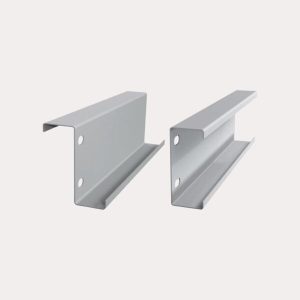
The right profile also depends on the existing structure. Purlin spacing, pitch, sheet length and lap requirements all influence what will work best. If you are replacing an old roof, matching the profile or checking compatibility with flashings and rooflights can save a lot of trouble later.
Condensation – the issue that catches people out
Many roofing problems are not leaks at all. They are condensation. This is especially common on garages, sheds, workshops and farm buildings where warm moist air meets a cold roof sheet.
If condensation is likely, single-skin roof cladding may need an anti-condensation backing, better ventilation, or a move to an insulated system. The correct answer depends on how the building is used. A machinery store has different moisture levels from a stable or a hobby workshop with regular heating.
This is where buying the sheet alone is rarely enough. The detailing around ventilation, fixings, flashings and rooflights all plays a part in how well the roof performs through winter.
Don’t treat accessories as an afterthought
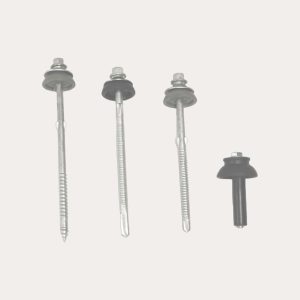
A roof is only as good as the details holding it together. Fixings need to match the sheet type and support structure. Flashings need to direct water properly at ridges, verges and abutments. Foam fillers, sealants and stitching screws all have jobs to do.
This is one reason many trade buyers prefer sourcing everything from one specialist supplier rather than piecing an order together across several merchants. It cuts down compatibility issues and helps ensure the roof cladding system is complete, not just partially specified. Roof Sheets Online has built its range around exactly that approach – sheets, flashings, fixings, purlins, rooflights and the parts that finish the job properly.
What to check before you order
Before placing an order, it pays to get a few basics confirmed. Roof pitch is one. Some profiles and installations need a steeper pitch than others to shed water effectively. Sheet length is another, because longer sheets reduce end laps but can be harder to handle on site.
You should also check the environment around the building. Coastal exposure, industrial pollutants and driving weather can all influence the best finish and specification. If the roof is going onto a refurbishment project, inspect the structure beneath rather than assuming the existing purlins and centres are suitable for the new cladding.
For insulated systems, make sure the thermal target is clear from the outset. There is no point over-specifying a panel for an unheated outbuilding, just as there is little value in under-specifying a heated workspace and paying for it later through poor performance.
Cost versus value
The cheapest sheet is not always the cheapest roof. A lower upfront price can be attractive, especially on a basic shed or store, but if you need extra treatment for condensation, more maintenance, or an earlier replacement, the saving can disappear quickly.
Good roof cladding should be judged on the whole job – material cost, installation speed, expected lifespan, maintenance, thermal performance and how well the accessories tie in. Trade buyers know this already. DIY customers sometimes learn it the hard way.
That does not mean every project needs a premium specification. It means the build should be honest about its purpose. A field shelter, a domestic garage and a light industrial unit deserve different answers.
Getting the specification right first time
The best results usually come from a few straightforward questions. What is the building used for? Is it heated? Is condensation likely? How exposed is the site? Do you need a practical agricultural finish or a sharper modern look? Are you replacing like-for-like, or upgrading the roof build-up completely?
Once those points are clear, choosing roof cladding becomes much simpler. You can narrow the right profile, material, coating and accessory package without wasting money or risking a poor fit on site.
If you are unsure, get proper advice before the sheets are cut and delivered. That short conversation can save a lot of time later, especially on larger runs, insulated systems or refurbishments where existing dimensions matter.
A well-specified roof should not need excuses after installation. It should look right, shed water cleanly, stand up to the weather and give you confidence that the job is finished properly.