Condensation rarely announces itself until the job is finished. The sheets are on, the building looks smart, and then a cold morning turns the underside damp, fixings start to sweat, or water appears where the roof itself is not actually leaking. That is usually when roof sheet condensation tape enters the conversation.
For sheds, garages, workshops, agricultural buildings and light industrial roofs, this tape is a simple but useful detail. It is not a cure-all, and it does not replace good roof design, but used in the right place it helps control moisture, close vulnerable gaps and improve the overall finish. If you are specifying a new roof or sorting out a refurbishment, it is one of those smaller components that can make the whole system perform better.
What is roof sheet condensation tape?
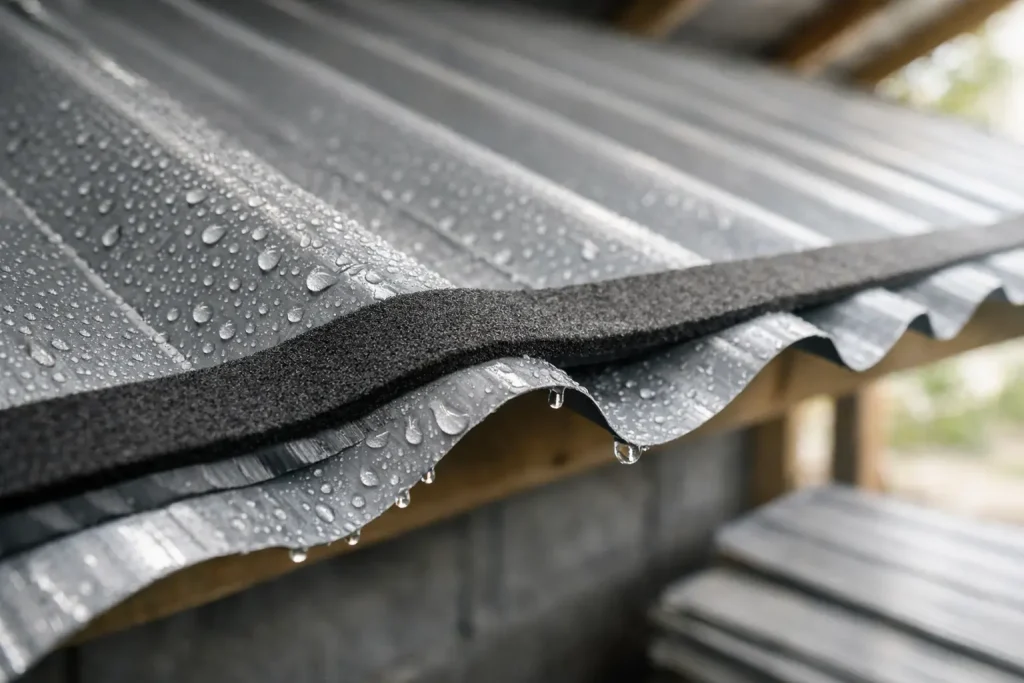
Roof sheet condensation tape is a sealing tape used alongside metal roofing sheets and cladding systems to help manage moisture and reduce air movement through overlaps, joints and closures. Depending on the product, it may be foam-based, bituminous, adhesive-backed or designed to compress into profile gaps. Its job is usually to limit the conditions that allow moist air to travel, cool and form water droplets.
That matters because condensation is not always caused by rain getting in. In many buildings, especially uninsulated outbuildings, warm moist air rises from inside, hits the colder roof sheet and turns into water. If there are open gaps at the eaves, side laps, ridge or flashings, airflow can make that problem worse. Tape helps by sealing the right areas so the roof build is tighter and more controlled.
Where roof sheet condensation tape is typically used
The exact location depends on the roof sheet profile and the build-up, but the most common use is at side laps, end laps, eaves closures and around flashings where small gaps need sealing. On profiled metal sheets, the shape of the sheet creates channels and voids, and those voids can let in air, dust, insects and moisture if left untreated.
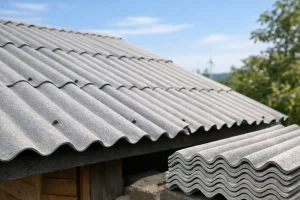
For a box profile roof, tape is often used where two sheets overlap or where profiled fillers meet the sheet. On corrugated roofs, the principle is the same, although the profile shape changes the tape or filler required. On refurbishment work, tape can also help tidy up awkward interfaces where older roofs were installed with little attention to closures.
This is why experienced installers rarely look at sheets in isolation. The roof covering, fixings, flashings, fillers and tapes all work together. Miss one of them and the roof may still go on, but it may not perform as cleanly as it should.
What roof sheet condensation tape can and cannot do
This is where it pays to be realistic. Tape can help reduce moisture issues, but it cannot overcome a badly ventilated building, the wrong sheet choice or a poor installation.
What it can do is improve the seal at critical points, reduce drafts through laps, and help stop warm internal air reaching cold surfaces as easily. In some cases it also helps prevent wind-driven rain or dirt ingress. That is particularly useful on agricultural and workshop buildings where internal conditions can vary quickly.
What it cannot do is replace anti-condensation fleece, insulated panels, proper ventilation or suitable vapour control where the building use demands it. If you have a heated workspace generating a lot of moisture, tape alone will not solve the problem. Equally, if the roof pitch is too shallow for the profile, or side laps are not fixed correctly, the issue is bigger than a strip of tape.
When you should use roof sheet condensation tape
If you are fitting single-skin metal sheets on an uninsulated outbuilding, it is often worth using tape at the specified laps and closure points because those roofs are more exposed to temperature swings. Overnight cooling followed by morning humidity is a common trigger for condensation.
It is also a sensible addition where the building stores animals, feed, equipment or anything that does not respond well to damp. Even if the moisture problem seems minor, repeated exposure can mark ceilings, affect timber, encourage corrosion and make the space less usable.
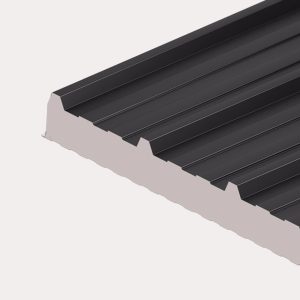
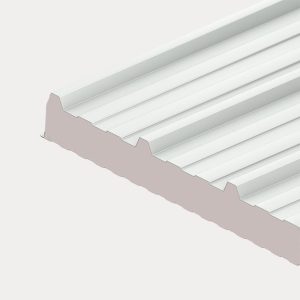
For insulated roofs, the need depends on the system. Composite panels and insulated sheet systems already do far more to control condensation by keeping the internal face warmer. Even then, correct sealing tapes may still be required at joints to preserve system performance. In other words, the more complete the roof build-up, the more important it is to use the right accessory in the right place.
Choosing the right tape for the roof build
Not all tapes are interchangeable. The right choice depends on the sheet profile, pitch, building use and the detail you are trying to seal. A compressible foam tape may suit one overlap, while a different sealing strip is needed at a flashing or closure.
Compatibility matters. The tape needs to sit properly against the sheet profile, hold up under temperature changes and maintain adhesion over time. If it is too thin, it may not seal. If it is too thick, it can distort the sheet or prevent the overlap from sitting flat. That can create more problems than it solves.
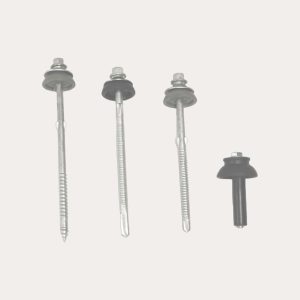
This is one reason many buyers prefer sourcing sheets, fixings and accessories from one specialist supplier rather than piecing them together from different merchants. When the tapes, fillers and flashings are matched to the roof profile, the install is usually quicker and the finished roof is more dependable.
Fitting roof sheet condensation tape properly
Good tape fitted badly is still a bad result. Surfaces should be clean, dry and free from oil or heavy dust before the tape is applied. If the sheet is damp or dirty, adhesion can be compromised from the start.
Placement matters just as much. The tape needs to sit where compression will occur once the sheets or flashings are fixed down. Put it too close to the edge and it may squeeze out or leave part of the gap open. Put it too far in and it may not seal the vulnerable point at all.
Installers also need to avoid stretching the tape during application. Stretched tape can shrink back later and open up small gaps. On longer runs, steady alignment is important so the seal remains continuous. It sounds basic, but small inconsistencies across a roof can add up.
Common mistakes that cause condensation problems anyway
The most common mistake is assuming the tape will deal with a ventilation issue. If a building has high internal moisture and nowhere for that moisture to go, you are only treating part of the problem. Another is using the wrong filler or no profiled closure at all, leaving obvious voids at the eaves or ridge.
Poor storage before installation also catches people out. Tapes left exposed to dirt, damp or excessive heat can lose performance before they are ever used. And on fast-moving jobs, accessories are sometimes treated as optional extras rather than part of the roof specification. That usually costs more later in remedial work than it saves on day one.
Is tape enough, or do you need a bigger condensation solution?
That depends on the building. For a basic shed storing garden equipment, correctly installed roof sheet condensation tape may be enough as part of a straightforward single-skin roof. For a stable, workshop or farm building with moisture generated inside, you may need a broader approach.
That could mean anti-condensation backed sheets, better airflow design, insulated panels, or a combination of sealing and ventilation. There is always a balance to strike. Too open and you invite drafts and weather ingress. Too closed without proper design and moisture becomes trapped. The right answer depends on how the building is used, not just on the roof covering itself.
If you are unsure, it is worth asking before you order. A well-specified roof is easier to fit, performs better and avoids the familiar cycle of patching problems after the sheets are already in place. At Roof Sheets Online, that practical side of the job matters just as much as supplying the sheets themselves.
Why small accessories make a big difference
A roof is only as dependable as its weakest detail. Most leaks, drafts and moisture issues do not start in the middle of the sheet. They start at overlaps, edges, penetrations and junctions where the system relies on the correct accessory being there and being fitted properly.
That is exactly why condensation tape deserves attention. It is not the headline item on the order, but it supports the performance of everything around it. When you are buying for a garage, stable, workshop or commercial outbuilding, the goal is not just to get sheets delivered. It is to get a roof that stays weather-resistant, works through the seasons and does not give you a list of avoidable problems six months later.
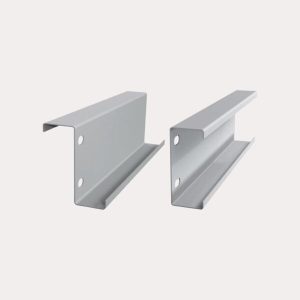
If you are planning a roof build or refurbishment, treat tape, fillers, flashings and fixings as part of the roof, not add-ons. It is a straightforward way to give the finished job a better chance of staying dry, tidy and fit for purpose.