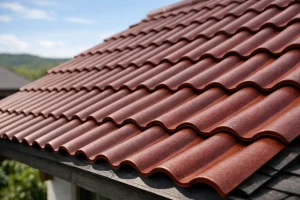
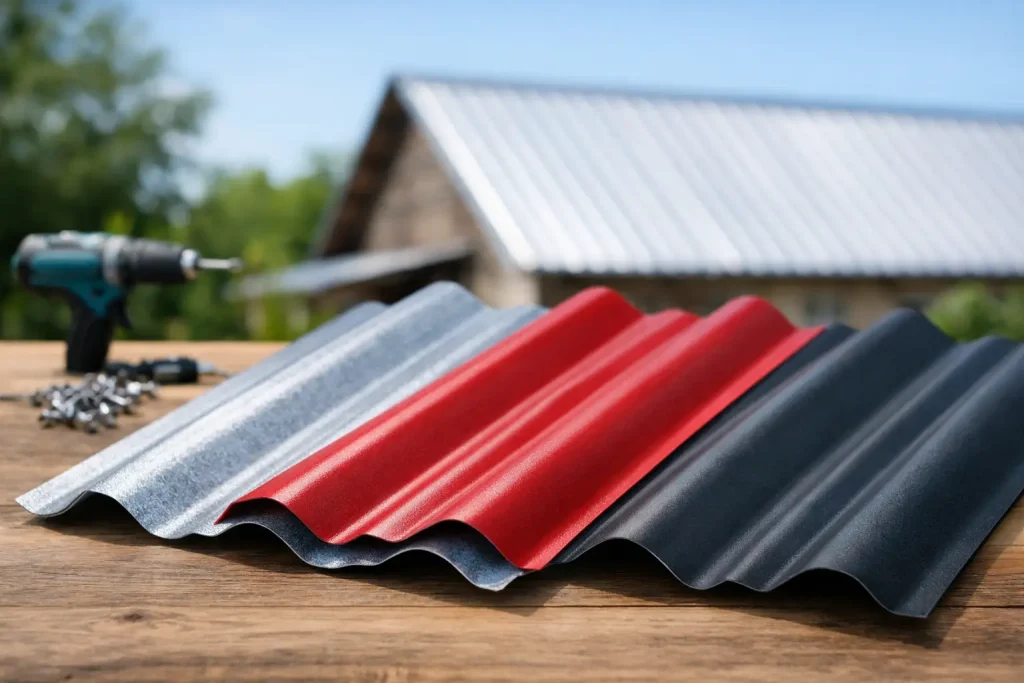
If you are shopping for tin roof sheets for a shed, garage, workshop or agricultural building, the first thing to clear up is simple – most modern roofing sheets are not actually made from tin. The term has stuck, but in practice buyers are usually choosing between galvanised steel, coated steel, aluminium, fibre cement or insulated panels depending on the job, the budget and the finish they need.
That matters because the right sheet is not just about covering a roof. It affects lifespan, condensation control, noise, appearance, structural support and how straightforward the installation will be. Get the specification right at the start and the whole project runs better, from ordering fixings and flashings through to fitting and long-term maintenance.
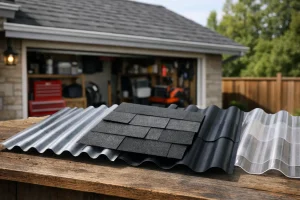
In day-to-day use, tin roof sheets normally refers to profiled metal roofing sheets. For most projects in the UK, that means steel sheets with a protective finish rather than traditional tin-plated material. They are widely used on outbuildings, farm structures, industrial units, lean-tos, car ports and refurbishments because they are strong, weather-resistant and quick to fit.
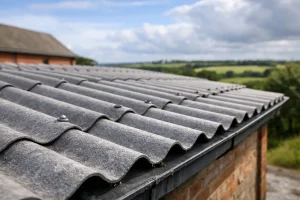
You will usually see them in corrugated or box profile form. Corrugated sheets have the familiar wavy profile and suit more traditional or agricultural-looking buildings. Box profile sheets have a more modern, sharper appearance and are often chosen for garages, workshops, commercial units and contemporary outbuildings.
The best sheet for one roof can be the wrong choice for another. A simple log store or open-sided shelter may only need a basic single-skin sheet with standard fixings. A workshop, stable or insulated garden building is a different matter. In those cases, you may need anti-condensation backing, insulated panels, rooflights, breathable detailing and the right trims to finish the job properly.
For smaller domestic projects, single-skin steel sheets are often the most cost-effective option. They are lightweight, easy to handle and available in practical lengths that help reduce waste on site. If appearance matters, plastisol-coated sheets offer a tougher, more durable finish with better resistance to scratches and weathering than lower-cost alternatives.
For agricultural and light industrial buildings, durability and coverage tend to drive the decision. Wider coverage sheets can speed up installation, but only if the supporting structure and spacing are correct. That is where profile choice, sheet thickness and purlin layout all need to work together.
This is one of the biggest specification questions, and the answer depends on how the building will be used.
If the roof is simply keeping the weather out on an unheated structure, standard profiled sheets may be all you need. They are reliable, economical and suitable for a wide range of applications when fitted correctly with matching flashings and fixings.
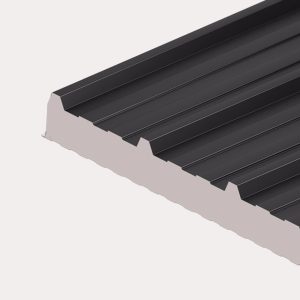
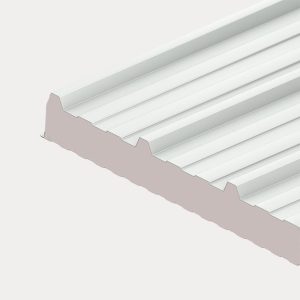
If the building will be heated, used regularly, or needs better thermal performance, insulated roof panels are usually the better long-term choice. They cost more upfront, but they combine outer sheet, insulation core and internal liner in one system. That gives you stronger thermal performance, helps with condensation, improves internal comfort and often creates a neater underside finish.
For trade buyers and project managers, this is often where the real value sits. Spending less on basic sheets can look attractive on paper, but if you later need to deal with drip issues, heat loss or a poor internal finish, the saving disappears quickly.
Not all metal sheets perform the same once they are out in the weather. The base material matters, but the coating matters just as much.
Galvanised steel is a practical entry point for straightforward applications. It offers corrosion protection and works well where appearance is less critical. Polyester-coated sheets are another budget-conscious option and suit many general-purpose roofs, though they are usually less durable than plastisol in harsher environments.
Plastisol-coated sheets are a popular step up for buyers who want a stronger, longer-lasting finish. They are well suited to exposed sites, busy working buildings and projects where appearance counts. The finish is thicker, tougher and generally better able to cope with the day-to-day wear that comes with installation and use.
Colour choice is not purely cosmetic either. Darker colours can increase heat build-up in sunny weather, while lighter finishes may suit some settings better visually and practically. On agricultural and commercial sites, matching existing cladding or neighbouring roofs is often part of the decision.
A lot of roofing problems are blamed on leaks when the real cause is condensation. Single-skin metal roofing cools quickly, and when warm moist air inside the building hits that colder surface, water forms underneath the sheet.
That is why building use matters so much. A garage storing tools may cope perfectly well with ventilation alone. A stable, workshop or building with livestock, washing, heating or regular occupancy creates more moisture and needs more thought.
There are a few ways to manage it. Anti-condensation fleece on the underside of the sheet can help in the right setting. Good airflow at eaves and ridge level is important. In higher-demand buildings, insulated panels are often the cleaner solution because they tackle the temperature difference that causes the problem in the first place.
If you are unsure, it is better to ask the question before ordering than to retrofit a fix later. That is exactly the sort of detail that separates a roof that performs well from one that becomes a nuisance.
This is where many buyers come unstuck. Ordering the sheets alone is not the same as ordering a roof.
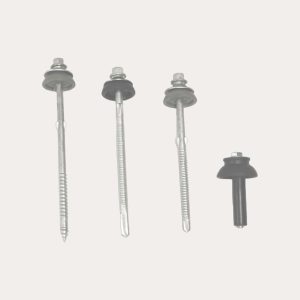
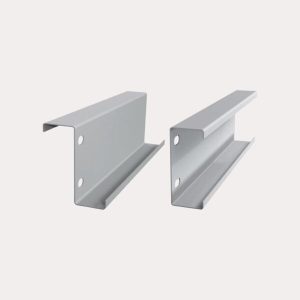
To complete the job properly, you will usually need fixings, foam fillers, flashings, barge boards, ridge pieces, closures and often rooflights or structural support components as well. The exact list depends on the roof design, pitch and layout, but the principle is the same – the accessories are not optional extras. They are part of the system.
This is especially important for anyone trying to keep a project moving. Chasing missing trims or incorrect fixings after the sheets arrive wastes time and delays installation. A one-stop approach makes life easier because you can match profiles, finishes and components from the outset rather than trying to make products from different sources work together.
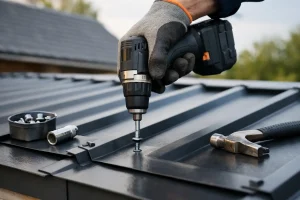
Even premium sheets will disappoint if they are fitted badly. Side laps, end laps, fixing positions and sheet overhangs all matter. So does the roof pitch. Some profiles perform better at lower pitches than others, and pushing a sheet beyond the recommended use can create problems with water run-off.
Handling on site matters too. Sheets should be stored correctly, lifted carefully and fixed square. Swarf from drilling needs to be brushed away because metal filings left on the sheet can stain the surface. It is a small detail, but it makes a visible difference.
For refurbishments, checking the existing structure is just as important as choosing the new roof covering. Purlin spacing, timber condition and support levels need to suit the sheet being installed. If they do not, the job can look right on day one and still fail early.
There is always pressure to keep costs under control, especially on larger buildings or multiple bays. But the cheapest sheet is not always the most economical option.
Lower-grade coatings, thinner materials or poorly matched accessories can shorten service life and add avoidable labour. If a sheet dents too easily, fades too quickly or needs replacing years earlier than expected, the original saving looks less convincing. The same goes for poor stock support. A low headline price means little if delays on missing trims or fixings hold the whole project up.
That is why experienced buyers tend to look at the full picture – material quality, finish, accessory compatibility, lead time and technical support. Roof Sheets Online has built its offer around that practical reality, giving customers the sheets and the supporting components together, backed by straightforward advice and reliable UK delivery.
Start with the building use, not just the sheet profile. Ask whether the space is open or enclosed, heated or unheated, and whether condensation is likely to be an issue. Then consider the finish, expected lifespan and how important appearance is.
After that, look at the roof itself. Pitch, span, support spacing and required lengths all affect what will work best. Finally, think through the complete package – flashings, fixings, fillers, rooflights and any support steel or purlins needed to finish the installation properly.
That process is not about overcomplicating the purchase. It is about avoiding the very common mistake of buying a roof covering when what you really need is a complete, weatherproof roofing system.
Tin roof sheets may be the search term, but the best result comes from choosing the right modern equivalent for the building in front of you. If you treat the roof as a system rather than a stack of sheets, you will end up with a finish that looks right, performs properly and saves hassle once the job is done.
Roof Sheets Online Ltd
UNIT C4
MACROME ROAD
Wolverhampton
WV6 9HD
Company No 15150940
Vat No. 4880 70856