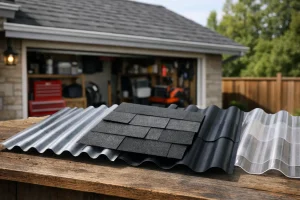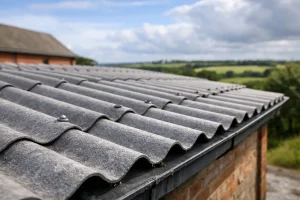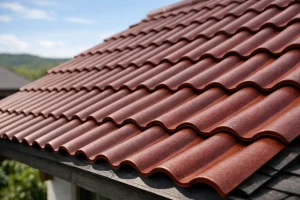
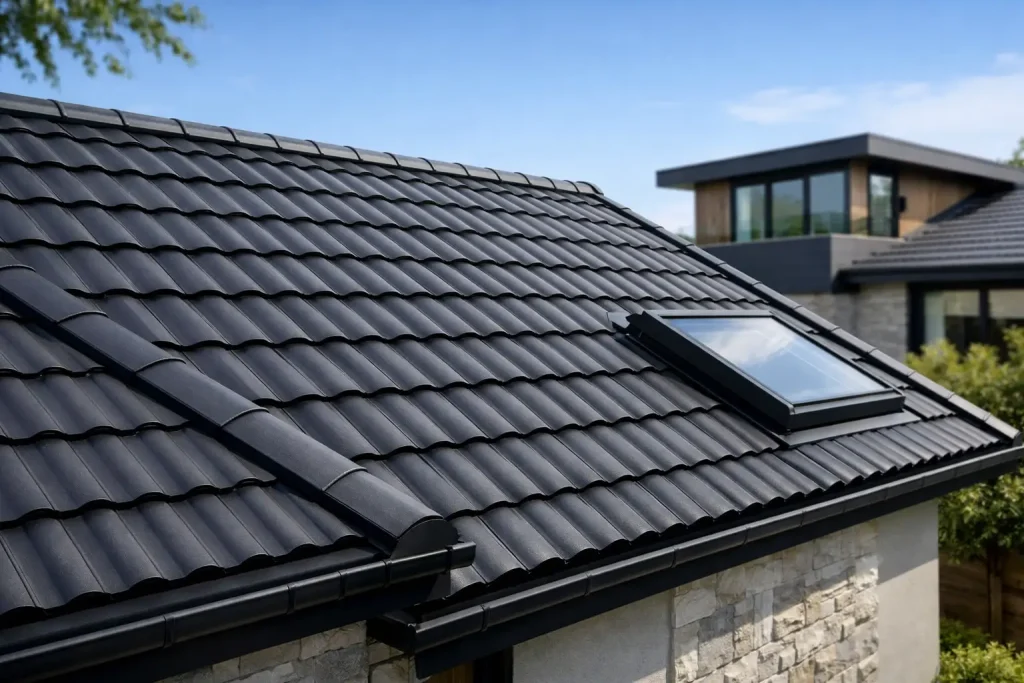
A roof can make or break a project before anyone notices the walls, doors or finishings. That is why tile effect roofing keeps turning up on garages, garden rooms, workshops, stables and extensions across the UK. It gives you the familiar look of a tiled roof, but with quicker installation, less structural load and a cleaner, more predictable ordering process when you need sheets, flashings and fixings to work together.
For many buyers, the appeal is simple. You want something that looks smart from the road, stands up to British weather and does not turn a straightforward build into a slow, expensive job. Tile effect sheets sit neatly in that space. They are designed to mimic the appearance of traditional roof tiles while behaving much more like a modern sheeted system.
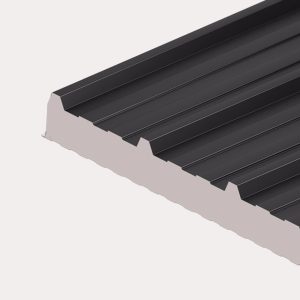
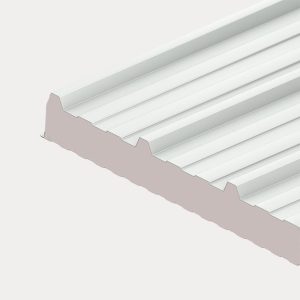
Tile effect roofing is a profiled metal sheet made to resemble rows of roof tiles. From ground level, it delivers the character and shadow lines people expect from a tiled finish. Up on the roof, though, it installs in larger sections than individual tiles, which changes the labour, weight and overall practicality of the job.
In most cases, these sheets are manufactured from coated steel. That gives them strength, a consistent finish and good resistance to the weather when correctly installed. The coating and profile matter. A well-made sheet should offer a crisp, defined tile pattern, reliable corrosion protection and enough rigidity for the intended span and building type.
That combination is what makes it attractive for outbuildings and light commercial projects. You get the visual improvement of a more traditional roof style without taking on all the handling and fitting time associated with individual tiles.
Not every building needs a heavyweight, traditional tiled roof. In fact, many do better with a lighter system. Sheds, garages, workshops, equestrian buildings, garden buildings and refurbishments often benefit from a roof covering that reduces pressure on the supporting structure while still looking finished and substantial.
This is where tile effect roofing earns its place. The sheets are significantly lighter than concrete or clay tiles, which can be a real advantage where the structure is modest or where you are upgrading an existing roof. Less weight can mean simpler support requirements, easier handling on site and fewer headaches when working on refurbishments.
There is also the speed factor. Larger sheet coverage means fewer individual components to position. For trade buyers, that can help keep labour under control. For competent DIY customers, it can make the installation feel more manageable, provided the roof design is straightforward and the sheet lengths are properly planned.
Appearance matters too. Some buildings suit corrugated or box profile roofing perfectly. Others need a softer, more domestic finish. If a workshop sits next to a house, or a garage faces the road, a tile effect profile often looks more in keeping with the surrounding property.
The biggest benefit is the balance between looks and practicality. Traditional tiles have visual appeal, but they are slower to lay, heavier to handle and can become costly once labour and supporting structure are factored in. Tile effect sheets offer a more efficient route to a similar overall appearance.
Weather resistance is another key point. When fitted with the correct overlaps, flashings and fixings, a quality system can provide dependable protection against rain and wind. That is not just about the sheet itself. The ridge, verge, eaves detailing and fixings all play their part. Buyers often focus on the main roof covering first, but the accessories are what complete the weatherproof build.
Consistency is also worth mentioning. Individual tiles can vary in placement and require more adjustment across the roof. Sheet systems are precision-made, so the finished lines can look neat and uniform. On visible roof slopes, that cleaner finish can make a real difference.
Then there is maintenance. Any roof still needs periodic checks, especially after severe weather, but metal tile effect systems generally avoid some of the common issues linked to slipped or broken individual tiles. Fewer separate pieces often means fewer weak points.
It depends on the building, the pitch and the look you need to achieve. If you are working on a heritage property or in an area with strict planning expectations, a sheeted system may not be the right answer. Some projects call for genuine slate or clay, full stop.
Complex roof shapes can also make things less straightforward. Tile effect sheets are efficient on simple roof forms, but if you have lots of hips, valleys, junctions or awkward penetrations, material planning becomes more important and waste can increase. In those cases, the labour savings may narrow compared with other coverings.
Noise is another factor people sometimes ask about. Like other metal roofing products, sound can be more noticeable during heavy rain if there is little beneath the sheet. On insulated or properly lined buildings, that is often less of a concern. On a simple outbuilding with no ceiling or insulation, it may matter more.
Start with the building type and the roof pitch. These two points shape most of the specification. A detached garage, stable block and garden office may all use tile effect sheets, but they will not necessarily need the same build-up underneath.
Material finish matters as well. Coated steel sheets are available in finishes designed to improve durability and appearance. If the roof is highly visible, colour choice and surface quality will be high on the list. If the building is more functional, long-term performance may take priority over looks alone.
You also need to think about condensation control. This is often overlooked at the buying stage, especially on sheds, agricultural buildings and garages. If warm, moist air meets a cold roof sheet, condensation can form on the underside. Depending on how the building is used, you may need an anti-condensation backing, insulation, improved ventilation or a different roof build-up altogether.
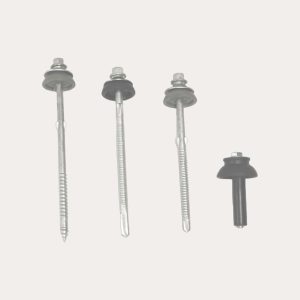
That is why buying the sheets in isolation is rarely the best route. A roof is a system. You need the correct fixings, flashings, ridge pieces, fillers and support details to match the profile. Getting everything from one specialist supplier makes the job easier because compatibility is less of a guessing game.
Tile effect roofing is quicker to fit than individual tiles, but it still rewards accuracy. Sheet layout should be planned before the first fixing goes in. That means checking lengths, cover widths, overhangs and overlaps so the roof finishes cleanly at the ridge and eaves.
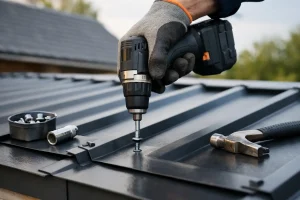
Support spacing needs to suit the product specification. Fixings must be the correct type and installed in the right positions, with enough pressure to seal properly without damaging the sheet. Flashings should not be treated as optional extras. Poor verge or ridge detailing can undermine an otherwise decent installation.
Handling matters too. Sheets should be lifted and stored carefully to avoid scratching the finish or distorting the profile. On site, clean cuts and tidy detail work make a visible difference, particularly on roofs that are easy to see from ground level.
For trade installers, none of that is news. For DIY buyers, it is often the difference between a roof that looks sharp for years and one that starts showing avoidable issues far too early.
If your priority is authentic heritage character, traditional tiles still have their place. They bring weight, texture and a proven aesthetic that suits many domestic roofs. But they also bring more labour, more handling and usually more structural demand.
Tile effect roofing works better when speed, weight and value matter just as much as appearance. On a new garage or workshop, for example, it can give you the right look without forcing the build into a more expensive structure. On a refurbishment, it can modernise the roof while keeping the overall style familiar.
Compared with plain sheet profiles, tile effect products sit in the middle. They are more decorative than standard corrugated or box profile sheets, but still benefit from the practical advantages of larger-format installation. That makes them a strong option when the roof needs to look smarter than a purely industrial finish.
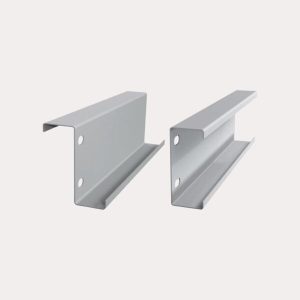
A good-looking sheet is only part of the order. Most delays and site frustrations happen when buyers forget the supporting items – fixings, closures, flashings, ridges, rooflights, purlins or sealants. That is why a one-stop approach makes sense, especially when delivery timing matters and you do not want to chase parts from multiple merchants.
For anyone specifying tile effect roofing, the smart move is to treat the roof as a complete package from the start. Confirm the pitch, support structure, finish, accessory requirements and any condensation considerations before placing the order. If you are unsure, ask. A decent supplier should help you get the right materials first time, not leave you to patch gaps later.
Roof Sheets Online works with exactly this sort of buyer every day – people who want trade-grade roofing, clear guidance and the confidence that the sheets and accessories will arrive ready for the job.
If you want a roof that looks sharp, goes on faster than traditional tiles and stands up well to day-to-day British weather, tile effect roofing is well worth a serious look. Get the specification right at the start, and the rest of the build tends to run a lot more smoothly.
Roof Sheets Online Ltd
UNIT C4
MACROME ROAD
Wolverhampton
WV6 9HD
Company No 15150940
Vat No. 4880 70856