A roof that looks right on paper can still cause problems on site if the sheet profile, coating or fixings are wrong. That usually shows up later as leaks at laps, drumming in bad weather, premature corrosion or condensation dripping where it should not. Getting roof sheets right at the buying stage saves time, labour and call-backs.
For trade buyers, that means matching the sheet to the building use, roof pitch and expected lifespan. For homeowners and smallholders, it usually comes down to a simpler question – what will give me a weatherproof, tidy-looking roof that lasts, without missing the parts needed to finish it properly? The answer depends on more than just sheet length and price.
What to look for when buying roof sheets
The first decision is not colour. It is performance. A stable block, workshop, garage or agricultural building all place slightly different demands on the roof. Some need straightforward weather protection. Others need better thermal performance, reduced condensation risk or a cleaner internal finish.
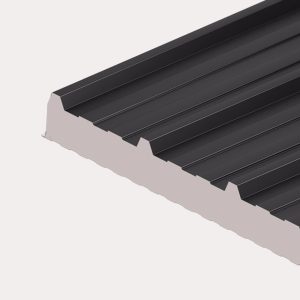
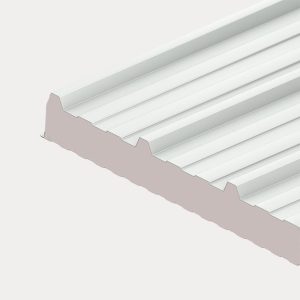
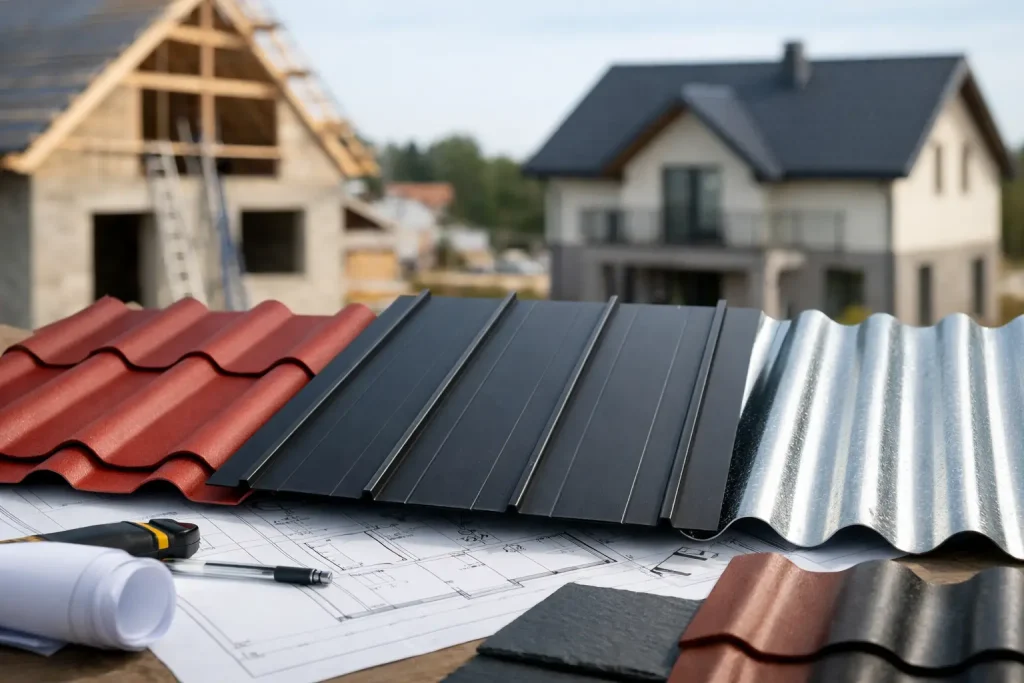
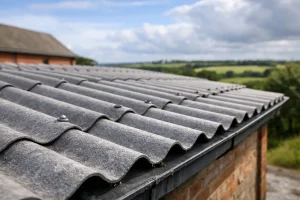
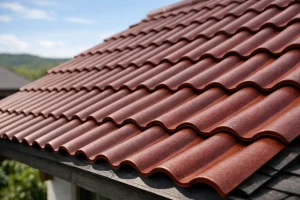
Profile matters because it affects strength, water run-off and appearance. Box profile roof sheets are a popular choice for modern agricultural, industrial and domestic outbuildings because they are strong, clean lined and suited to a wide range of spans when specified correctly. Corrugated sheets have a more traditional look and are often chosen where appearance matters as much as function, particularly on smaller outbuildings and refurbishment work. Fibre cement suits projects where a quieter roof and a different visual finish are preferred, while insulated panels are the right move when temperature control and condensation management are higher priorities.
The sheet material and coating also deserve proper attention. Polyester is often selected where budget is tighter and the environment is less demanding. Plastisol coatings are typically chosen for greater durability and improved resistance in harsher conditions. Galvanised finishes can suit certain agricultural or utility applications, but they are not always the best long-term answer if appearance and corrosion resistance are key concerns. It depends on exposure, budget and the expected service life of the building.
Choosing roof sheets by project type
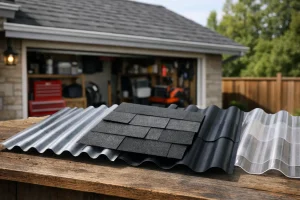
A domestic garage or garden workshop often needs a practical balance of cost, appearance and lifespan. In that case, box profile sheets in a suitable coating are often a strong all-round choice. They are sleek, strong, weather-resistant and available in finishes that give a neat, professional result without making the project unnecessarily expensive.
Stables, barns and agricultural buildings need a bit more thought. Condensation can be a major issue, especially where there is livestock, stored feed or machinery. A standard single-skin sheet may be fine for an open-sided structure, but for enclosed buildings you may want anti-condensation backing or an insulated panel system. Spending more on the right specification at the start can reduce maintenance and improve the building environment over time.
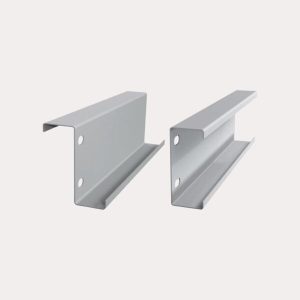
Commercial and light industrial buildings tend to demand a more complete system approach. It is rarely just about the outer sheet. You may need insulated panels, rooflights for natural daylight, flashings to weather vulnerable junctions, and correctly sized purlins and fixings to support the whole build. That is where a one-supplier approach makes life easier, because compatibility between components matters.
Box profile vs corrugated roof sheets
This is one of the most common comparisons, and there is no universal winner.
Box profile roof sheets are often chosen for their modern appearance and good spanning capability. They suit new build sheds, garages, workshops and commercial units well. They also work efficiently with matching flashings and accessories, which helps create a sharp finished look.
Corrugated roof sheets have a classic shape that suits rural, domestic and refurbishment projects. They can be a better visual fit for older buildings or locations where a softer, more traditional profile is preferred. They are also widely used on smaller roofs where style is part of the buying decision.
If the building is highly visible and appearance matters, corrugated may win. If you want a crisp, contemporary finish with broad application across trade and domestic jobs, box profile is often the practical choice. The right option comes down to the building itself, the surrounding setting and the rest of the specification.
Do you need insulated roof sheets?
If the building is occupied regularly, used for storage of temperature-sensitive items, or prone to condensation, insulated roof sheets are worth serious consideration. They combine outer weather protection with a rigid insulated core, helping improve thermal performance and reduce internal moisture problems.
For workshops, garden rooms, commercial units and higher-spec agricultural buildings, insulated panels can be the smarter long-term option. They usually cost more up front than single-skin sheets, but they can reduce the need for separate insulation layers and speed up installation on some projects. Premium systems such as Kingspan QuadCore ranges are often chosen where performance and finish need to be taken seriously.
That said, not every roof needs insulation. A simple open-fronted shelter or basic storage building may only require durable, weatherproof sheeting with the right accessories. The best buying decision is the one that suits the actual use of the building, not the most expensive product on the page.
Roof sheets are only part of the job
A surprising number of roofing problems come from missing or mismatched accessories rather than the sheets themselves. Ordering the main sheets without planning for flashings, fixings, rooflights, fillers, sealants and purlins can slow the build and compromise the finish.
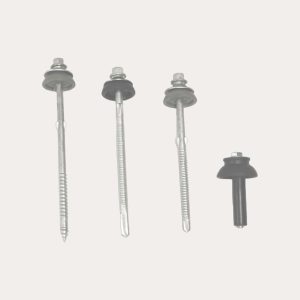
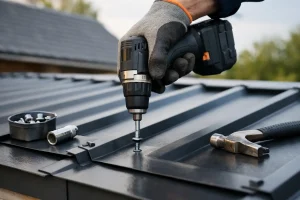
Fixings need to match both the sheet type and the structure beneath. Flashings need to be shaped correctly for ridges, verges, eaves and abutments. Rooflights need to align with the chosen profile. Even small items such as foam fillers and stitching screws make a difference to weather performance.
This is why experienced buyers often prefer to source the full roof build from one specialist supplier rather than mixing products from several merchants. It saves time, reduces compatibility issues and gives you a clearer route to technical guidance if needed.
Getting the specification right first time
Before ordering, check the roof pitch, sheet length, side lap requirements and the structure beneath. You should also think about exposure to weather, internal moisture levels and whether the building needs natural light through rooflights. Those details shape the specification far more than many buyers realise.
Long sheets can reduce end laps, which may improve weather performance and speed installation, but they also need careful handling on site. Heavier duty coatings can improve lifespan, but may not be necessary for every project. Anti-condensation backing can help in the right setting, but it is not a substitute for proper ventilation where moisture is consistently high.
Good advice at this stage prevents costly adjustments later. That is especially true for competent DIY customers who may be confident with fitting but want reassurance that the product choice is sound before the order is placed.
Roof sheets for value, not just price
Cheap sheets can become expensive if they dent easily, weather poorly or require extra remedial work because the full system was not considered. Real value comes from buying products that are fit for purpose, available in the right lengths and finishes, and backed by proper service.
That includes clear delivery communication. On a live job, knowing when materials are arriving matters nearly as much as the product itself. Delays affect labour, access equipment and customer expectations. Reliable stock levels and confirmed delivery dates make a real difference, especially for trade buyers working to programme.
At Roof Sheets Online, the focus is on supplying not just the roof sheets, but the full package needed to complete the job properly – with fast UK-wide delivery, strong stock availability and practical technical support when customers need it.
When to ask for help
If you are unsure about profile choice, coating type, insulated versus single-skin, or the accessories needed to complete the roof, ask before ordering. A quick conversation can often prevent over-ordering, under-ordering or choosing a sheet that is not right for the pitch or use of the building.
That is not about making the process complicated. It is about making sure the roof performs as it should once it is fitted. Whether you are roofing a small shed, refurbishing a stable block or specifying materials for a larger commercial unit, the best result usually comes from getting the basics right early.
A good roof starts with the right sheet, but it lasts because the whole system has been thought through properly.