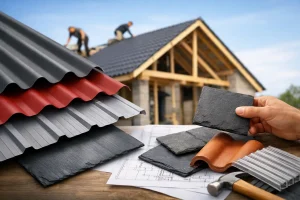
A leaking stable roof, a damp workshop or an ageing agricultural building rarely needs a complicated answer. It needs a sheet material that can handle British weather, stay stable over time and be fitted with the correct components. Fibre cement sheets remain a trusted choice for roof refurbishment and new-build projects where dependable performance matters more than a glossy finish.
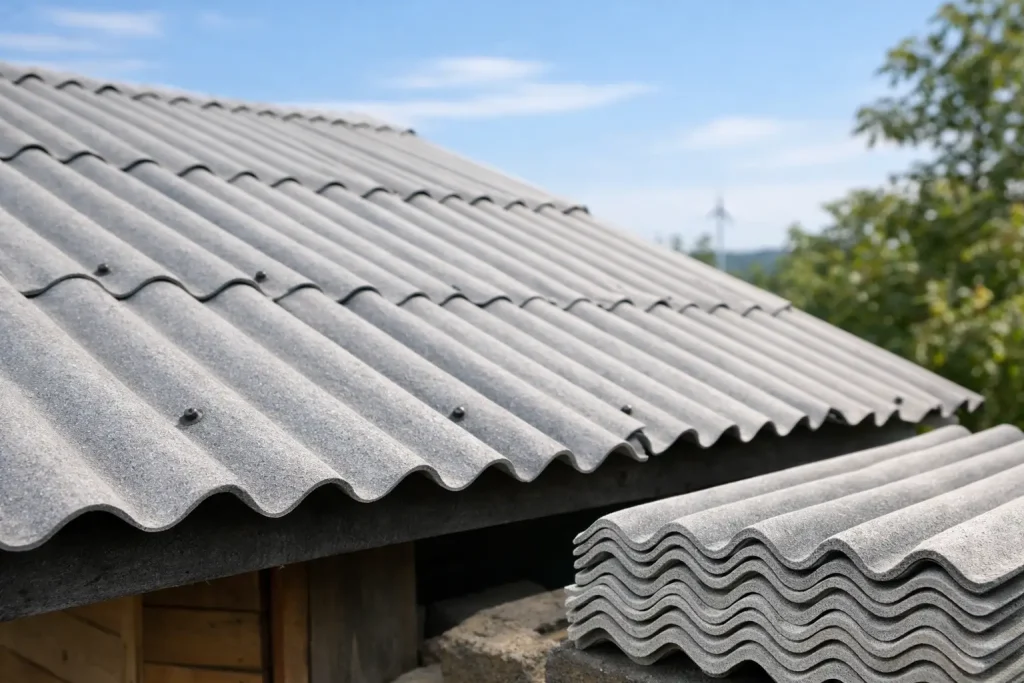
Their familiar corrugated profile is especially suited to garages, barns, stables, livestock buildings, stores and workshops. They offer a traditional appearance, strong weather resistance and a practical service life, without demanding constant upkeep. The key is to select the right sheet length and profile, then treat the fixings, laps, flashings and ventilation as part of the roof system rather than afterthoughts.
Why choose fibre cement sheets?
Fibre cement is a composite material made from cement, reinforcing fibres and water. Modern roofing sheets are designed to provide a hard-wearing, non-combustible covering that copes well with rain, frost and changing temperatures. Unlike metal sheeting, fibre cement does not create the same level of noise during heavy rain, which can make a real difference on stables, animal housing and workshops.
The sheets also have a more natural, matt finish. For rural and agricultural buildings, that understated look often sits more comfortably alongside existing structures than highly reflective roof materials. They are not the lightest roofing option, but their weight and rigidity give them a solid, established feel once fitted to a correctly designed support structure.
Another major benefit is condensation performance. Fibre cement can absorb a degree of moisture from humid internal air and release it as conditions dry, helping to moderate condensation risk. This does not remove the need for sensible ventilation, particularly in livestock buildings or occupied workshops, but it can be a valuable advantage where cold metal roofs would otherwise drip.
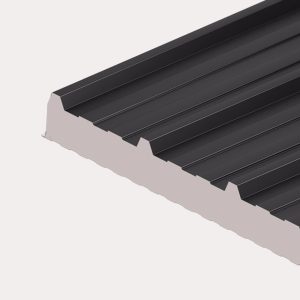
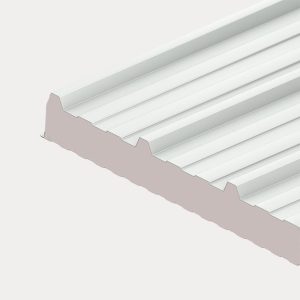
That said, no sheet material is right for every job. If insulation, a very modern finish or the fastest possible installation is the priority, insulated panels or steel box profile sheets may be a better fit. Fibre cement is chosen for durability, quieter performance and a proven agricultural-style roof covering, not because it is the cheapest sheet on every project.
Where fibre cement roofing performs best
Fibre cement roofing is commonly specified where moisture, weather exposure and day-to-day practicality are bigger concerns than appearance alone. On stables and animal shelters, its quieter behaviour in rain and balanced condensation performance can help create a more comfortable environment. On barns and stores, it provides a reliable covering for larger roof areas when installed with suitable side laps and end laps.
For domestic outbuildings, it is particularly useful when replacing older corrugated roofing with a material that retains the traditional profile. A garage, log store, garden workshop or detached utility building can gain a roof that looks purposeful and is built for year-round exposure.
Wall cladding is another consideration. Used vertically with the right detailing, corrugated fibre cement sheets can provide a durable outer skin for agricultural and light-industrial buildings. However, a roof sheet layout should not simply be copied onto a wall. The fixing positions, weathering details and support centres must suit the application.
If you are working on an older roof, take care before removing any existing sheets. Some historic corrugated cement products may contain asbestos. Never assume based on appearance alone. Arrange appropriate testing and use a licensed, compliant removal route where required. Modern fibre cement roofing products are a different material, but safe handling of the roof being replaced is essential.
Getting the specification right before ordering
The most expensive roofing mistakes usually start with a rushed measurement. Measure the slope length, not just the building width, and allow for the correct overhang at the eaves. Sheet length, roof pitch, purlin layout and lap arrangement all affect the finished coverage.
A lower-pitched roof generally needs more careful attention to overlap and sealing than a steeper roof. Wind exposure matters too. A sheltered garden building and an open-sided agricultural structure on high ground should not necessarily use the same fixing pattern. Local conditions, building use and the manufacturer’s installation guidance should shape the final specification.
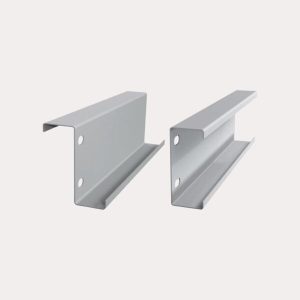
Check the supporting structure before selecting sheets. Fibre cement sheets require properly spaced purlins or rails that are level, sound and capable of carrying the roof load. Re-roofing over warped timber or corroded steelwork only transfers the problem into the new installation. If the structure is questionable, deal with it first.
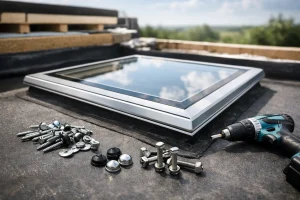
Rooflights deserve planning at the same stage. A dark stable aisle or workshop is much harder to improve after the roof is complete. Compatible rooflights can introduce useful daylight, but they need to match the sheet profile and be fixed and sealed correctly. Position them sensibly to avoid glare and to maintain safe access for future maintenance.
Fitting fibre cement sheets properly
Good installation starts at the eaves and works up towards the ridge, with sheets laid in the direction recommended for prevailing wind. This helps prevent wind-driven rain from being forced into side laps. Keep the first run straight. A small error at the bottom becomes a much larger alignment problem by the time you reach the ridge.
Pre-drilling is normally required. Fibre cement should not be treated like a steel sheet that can simply be driven through at speed. Use the specified drill size and place fixings at the recommended points, usually through the crown of the corrugation rather than the valley. This helps preserve drainage and reduces the risk of cracking.
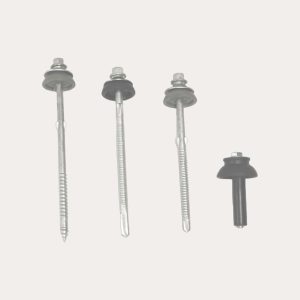
Do not overtighten fixings. A washer needs to seal against the sheet, but crushing the material can cause damage and shorten the roof’s working life. Use purpose-made fixings with suitable sealing washers and match them to the purlin material, whether timber or steel.
Laps are where weatherproofing is won or lost. Side laps need to face away from prevailing weather, while end laps must suit the roof pitch and the sheet manufacturer’s requirements. On more exposed or lower-pitched roofs, sealing tapes or fillers may be needed. Ridge pieces, bargeboards, eaves closures and flashings should be ordered as part of the job, not improvised when the final sheet is already on the roof.
Cutting should be kept to a minimum by ordering sensible sheet lengths. Where cuts are necessary, use equipment suitable for fibre cement and follow the product guidance for dust control and personal protective equipment. Clean swarf, dust and offcuts from the roof as work progresses. A tidy installation is safer and makes it easier to spot any alignment or fixing issues early.
The accessories that make the roof work
Sheets alone do not make a weatherproof roof. The supporting details control water run-off, wind resistance and the quality of the finished edge. For most projects, plan for compatible fixings, ridge components, verge details, eaves closures and flashings alongside the sheets themselves.
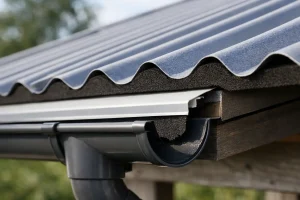
If the building needs rainwater control, make sure the eaves detail works with the gutter position and roof overhang. If there are abutments against a wall, allow for the right flashing arrangement. For an open-fronted shelter, think about how wind can enter beneath the roof and whether closures are appropriate without restricting necessary airflow.
Buying the sheets and accessories together also reduces delays on site. There is little value in having a roof delivery arrive on time if the correct fixings or ridge pieces are still being sourced elsewhere. A complete order gives you a clearer view of the job, the budget and the installation sequence.
Maintenance and long-term value
Fibre cement is low maintenance, not maintenance-free. A periodic visual check is enough for many roofs. Look for slipped fixings, damaged flashings, blocked gutters, moss build-up and debris trapped around rooflights or valleys. Clearing leaves and standing debris helps water drain as intended.
Avoid walking directly on sheets unless the system and access method are designed for it. Use suitable crawling boards or roof access arrangements where necessary, and never take chances with brittle or ageing roofing. Safety should be planned before any inspection or repair begins.
When the roof is correctly specified and fitted, fibre cement offers the kind of long-term, straightforward protection that suits working buildings. For help matching sheet lengths, fixings, rooflights and finishing components to your project, Roof Sheets Online can help you build an order that is ready to fit rather than merely ready to deliver.