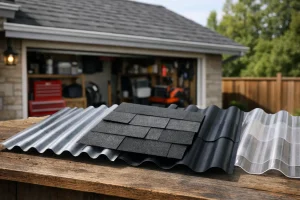
A coated steel sheet can look much the same from ground level, yet the finish you choose has a major effect on how it stands up to rain, handling, sunlight and daily use. In the plastisol vs polyester coating decision, the right answer depends less on appearance alone and more on where the building sits, how it will be used and how long you expect the roof or cladding to perform.
For a garden shed or sheltered garage, a polyester finish may be a sensible, cost-effective choice. For an agricultural building, busy workshop, coastal project or hard-working commercial unit, plastisol can justify the additional upfront cost. Getting this detail right before ordering makes it easier to specify matching flashings, fixings and accessories that will give the whole build a consistent, weatherproof finish.
Plastisol vs Polyester Coating: the key difference
Both finishes are factory-applied to galvanised steel. The galvanised zinc layer provides a first line of corrosion protection, while the top coating protects the steel further and gives the sheet its visible colour and surface finish. Neither coating turns poor installation into a long-lasting roof, but both are designed to provide reliable protection when correctly specified and fitted.
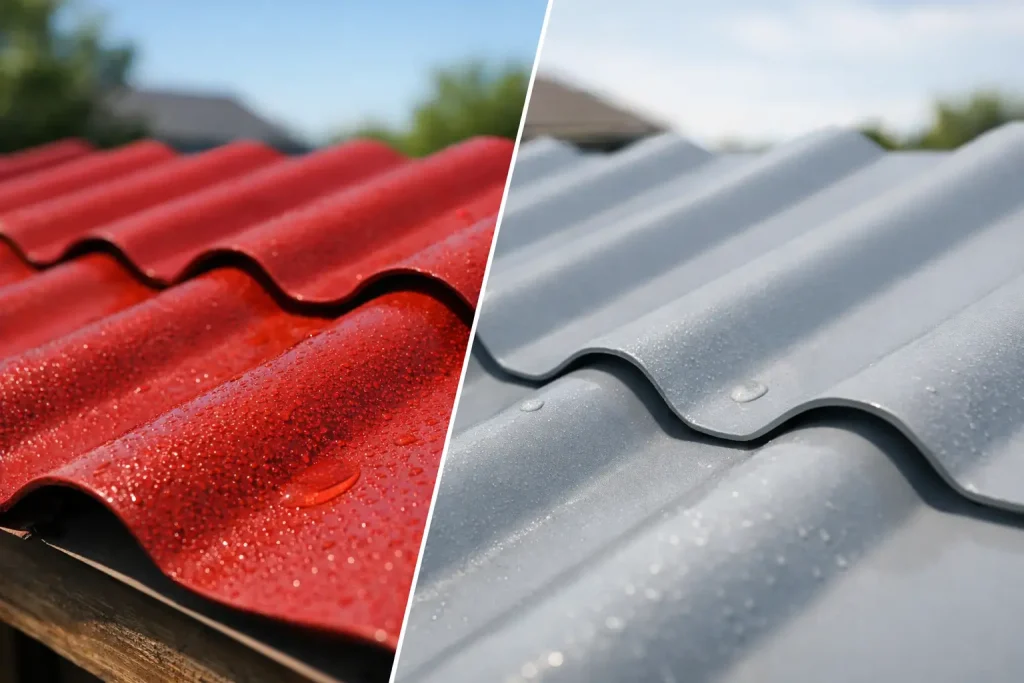
The main difference is coating thickness. Standard polyester is typically a thinner coating, often around 25 microns. Plastisol is much thicker, commonly around 200 microns. That extra depth makes plastisol better able to resist knocks, scuffs and abrasion during transport, installation and everyday use.
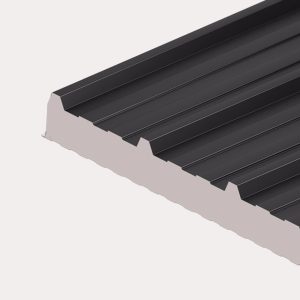
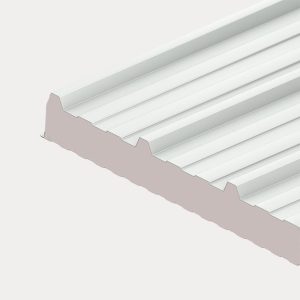
Polyester usually has a smooth, clean appearance, often with a gloss or semi-gloss finish. Plastisol is generally more textured, traditionally described as leathergrain, although finishes vary by manufacturer and range. The choice is not simply thin versus thick. It is a balance between budget, visual preference, environmental exposure and the level of physical punishment the sheets are likely to receive.
When polyester-coated steel makes sense
Polyester-coated roof sheets are a popular option for straightforward domestic and light-duty projects. They offer an attractive coloured finish at a lower price than plastisol and are well suited to buildings where the sheets are not likely to be regularly knocked, scratched or exposed to particularly aggressive conditions.
A smooth polyester finish can be a good fit for a garden shed, carport, garage, sheltered outbuilding or internal wall lining. It is also often chosen where a crisp, contemporary appearance matters and the project budget needs to stay controlled. For many standard roof and wall cladding jobs, it provides more than adequate performance.
That does not mean polyester is a poor-quality choice. It is a practical specification when the site conditions are favourable and the building is looked after. The important point is to avoid treating it as interchangeable with plastisol just because both are coloured steel sheets.
Polyester needs more care during handling because a deeper scratch can expose the protective layers below. Lift sheets rather than dragging them across one another, keep cutting swarf off the surface, and use the correct fixing arrangement. Metal filings left on a roof can rust and stain the coating, even when the sheet itself is of good quality.
Why plastisol earns its place on demanding projects
Plastisol-coated steel is built for tougher service. Its thicker finish gives greater resistance to abrasion and minor impact, making it a strong choice for agricultural, industrial and commercial roofing and cladding. Stable roofs, livestock buildings, workshops, farm stores and frequently used outbuildings can all benefit from a more hard-wearing surface.
It is particularly useful where sheets may be handled around machinery, feed, equipment or regular maintenance activity. The textured finish also tends to disguise small marks better than a smooth, glossy surface. On a large roof, that can help it retain a smart, consistent appearance for longer.
Plastisol is often specified where corrosion resistance is a priority, including exposed rural sites and projects with a higher risk of surface wear. However, location still matters. Buildings near the coast, in heavily polluted areas, or exposed to salt-laden spray need careful specification. A coating type alone does not guarantee suitability in every environment, and warranty conditions should always be checked against the actual site.
There is a cost premium, but it can be worthwhile where replacement would be disruptive or where the building is expected to work hard for many years. Spending more on the sheet finish at the outset may be better value than accepting a lower initial price for a finish that is not suited to the job.
Durability is about more than the coating
The expected life of a roof sheet is influenced by far more than plastisol or polyester. Sheet thickness, galvanising, profile, pitch, ventilation, exposure and workmanship all play a part. A well-specified polyester sheet on a sheltered, properly built garage can outperform a plastisol sheet that has been badly cut, poorly fixed or installed with inadequate drainage.
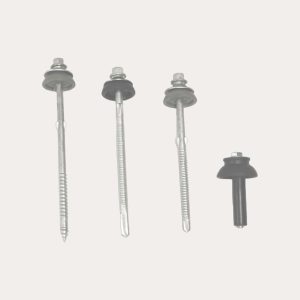
Pay close attention to cut edges and penetrations. Always use suitable tools for cutting steel sheets and remove all swarf immediately. Avoid abrasive cutting methods that can damage the coating and heat the steel at the cut edge. Use compatible colour-matched stitching screws and primary fixings with quality sealing washers, then fit flashings carefully to prevent water being driven into laps and junctions.
Condensation control is equally important, especially on uninsulated steel roofs. Moisture forming on the underside of sheets can affect the building contents and contribute to internal corrosion if left unmanaged. An anti-condensation fleece, suitable insulation system or a correctly ventilated roof build should be considered at the design stage, particularly for stables, workshops and agricultural storage.
Appearance, colour and long-term exposure
If visual finish is the deciding factor, look at actual samples where possible rather than relying solely on a screen image. Polyester’s smooth surface often gives a sleek, neat result that works well on domestic projects. Plastisol’s textured surface has a more substantial, trade-grade appearance and is especially familiar on agricultural and industrial buildings.
Sunlight changes the calculation. All coloured coatings can weather gradually over time, and darker colours can show fading or chalking more readily in exposed locations. The exact performance depends on the coating formulation, colour and site conditions. For buildings where colour retention is the overriding priority, particularly on highly exposed elevations, speak to a specialist before choosing solely between standard plastisol and polyester options.
Matching components also matter. Roof sheets, wall sheets, ridge flashings, bargeboards and corners should be selected in compatible colours and finishes where possible. A roof may be structurally sound, but mismatched trims and poorly planned junctions can make a finished project look compromised.
Which coating should you choose?
Choose polyester when the project is domestic or light-duty, the building is in a relatively sheltered location, and value for money is the main driver. It gives a smart finish and dependable performance for many garages, sheds, carports and general-purpose outbuildings.
Choose plastisol when durability, scratch resistance and stronger corrosion protection are higher on the list. It is usually the better fit for agricultural and commercial work, exposed sites, high-use buildings and projects where a tougher finish is worth paying for.
If the choice is close, consider the cost of getting it wrong. Replacing damaged roof sheets later involves more than the price of materials: there is labour, access, disruption and the challenge of matching an aged colour. For a modest roof in a sheltered garden, polyester may be exactly right. For a working building that needs to keep performing through hard weather and hard use, plastisol is often the safer long-term investment.
Before placing an order, confirm the sheet profile, length, colour, coating, roof pitch and every accessory needed to finish the job. Roof Sheets Online can help you check the specification, from sheets and fixings to flashings and condensation control, so your materials arrive ready for a properly finished build.