A cold steel roof over a shed, stable or workshop can quickly become a dripping roof, even when there is no leak in sight. Anti-condensation roof sheets tackle this familiar problem at the source by managing the moisture that forms on the underside of the sheet. For many uninsulated buildings, they are a practical, cost-effective way to protect stored items, livestock areas and the building itself.
The key is specifying them for the right job. An anti-condensation lining is highly effective where condensation is occasional and the roof has sensible ventilation. It is not a substitute for fixing water ingress, providing insulation or allowing damp air to escape from a building that is permanently wet or poorly ventilated.
How anti condensation roof sheets work
Standard metal roofing sheets are strong, sleek and weather-resistant, but steel responds quickly to outside temperatures. On a cold morning, warm moist air inside the building can meet the cold underside of the roof. Once that air reaches its dew point, moisture turns into droplets. Those droplets can fall onto tools, feed, machinery, stock or the floor below.
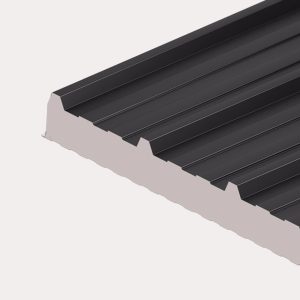
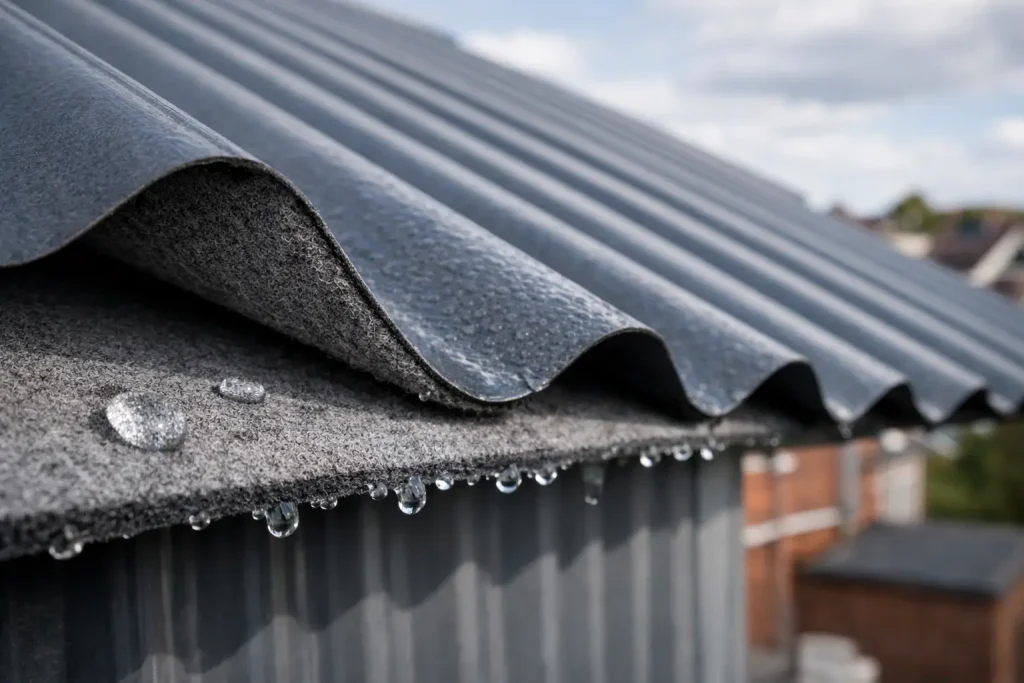
Anti-condensation sheets have a factory-applied absorbent fleece bonded to their underside. Rather than allowing moisture to bead and drip, the fleece holds it temporarily. When the air warms and conditions improve, the stored moisture is released gradually as water vapour.
This is why the product is often referred to as a drip-stop or anti-condensation membrane. It does not stop moisture existing in the building. It gives that moisture somewhere controlled to sit while the roof dries out.
For a garden shed, garage, agricultural store or light workshop, this can make a noticeable difference to how usable the space feels. It also avoids the extra labour involved in fitting a separate underlay beneath a simple single-skin metal roof.
Where anti condensation roof sheets are the right choice
These sheets are particularly well suited to buildings that are unheated or only used intermittently. Typical applications include steel-framed sheds, stables, field shelters, barns, garages, workshops, storage buildings and lean-tos. They are also a sensible option where machinery, garden equipment or animal feed needs protection from roof drips.
They work best where the building can breathe. Eaves ventilation, ridge ventilation, ventilated gables or simply well-positioned openings help moist air leave the structure. The exact approach depends on the building’s use, but the principle remains the same: reduce moisture build-up and give the fleece an opportunity to dry.
A stable, for example, creates moisture through breathing, wet bedding and washing down. Anti-condensation backing can prevent drips directly above the animals, but it should sit alongside good airflow and sensible stable management. A closed-up stable with continually wet conditions may need a more considered ventilation and insulation specification.
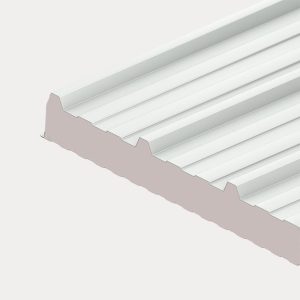
Likewise, a workshop that is heated every day may be better served by an insulated panel system. Insulated roof panels reduce the temperature difference between the indoor air and the roof surface, which is the real driver of condensation. They cost more initially, but can be the better long-term choice where comfort, energy use and year-round occupation matter.
What anti-condensation backing will not fix
It is easy to mistake any internal moisture for condensation. Before ordering, check whether water is getting in through overlaps, poorly sealed flashings, damaged sheets, failed fixings or an unsuitable roof pitch. A fleece lining cannot absorb a persistent roof leak.
It should not be used as a cure for excessive internal humidity either. Buildings used for washing, drying clothes, processing produce or housing a large number of animals may generate more moisture than a standard lining can comfortably manage. In those cases, improved ventilation, vapour control layers and insulation may all form part of the answer.
The roof design also matters. Sheets need the correct fall for their profile, with properly sealed side and end laps where required. Ridge flashings, bargeboards, apron flashings and closures are not finishing touches – they are the components that keep the roof weatherproof and neat around its edges.
Choosing the right sheet profile and finish
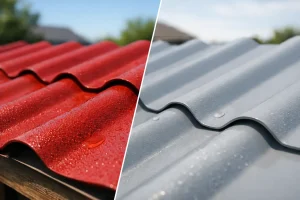
Anti-condensation fleece can be specified on several popular steel sheet profiles, including corrugated and box profile roofing. The best profile depends on the look required, the purlin spacing, the roof pitch and whether the sheets need to match existing cladding.
Corrugated sheets offer a traditional appearance that suits agricultural buildings, stables and rural outbuildings. Box profile sheets create a more contemporary, clean-lined finish and are widely used for garages, workshops and commercial-style structures. Both can provide a strong, dependable roof when the gauge, coating and support centres are correctly chosen.
Do not choose on profile alone. Consider the coating and expected environment. Polyester-coated steel is a popular economical option for many domestic and agricultural buildings, while plastisol-coated steel offers a tougher, more durable finish where conditions are more demanding. Galvanised sheets provide a plain industrial appearance but may not offer the same aesthetic or corrosion protection as a coated product in every setting.
Sheet length deserves equal attention. Ordering sheets cut to the correct roof slope can reduce end laps, which means fewer potential leak points and a tidier finish. Measure from eaves to ridge along the slope, not horizontally across the building, and allow for the required overhang into the gutter.
Fitting anti condensation roof sheets properly
The fleece is fitted underneath the steel, so installation is broadly the same as fitting standard roofing sheets. The difference is that care is needed at cut edges and around penetrations. The lining should not be left exposed where it can wick water from the outside edge of the roof.
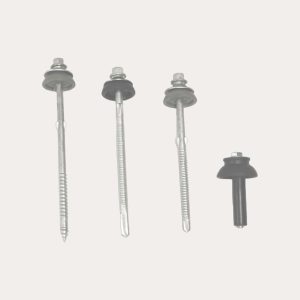
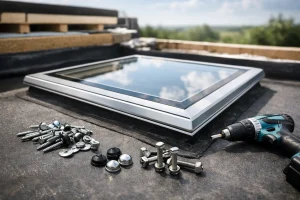
Use appropriate self-drilling roofing fixings with washers, installed through the crown of the profile where the manufacturer’s guidance calls for it. Fixing quantity and placement depend on the sheet type, purlin arrangement and wind exposure. A roof on an open rural site will often need a more cautious fixing pattern than one in a sheltered back garden.
When cutting sheets, use equipment that does not burn the protective coating. Swarf should be brushed away straight away, as metal filings can rust and mark the finished roof. Finish the build with correctly matched flashings, foam fillers where needed, sealants and guttering. Leaving out small accessories is a false economy when they are what complete the weatherproof detail.
Avoid trapping the fleece beneath poorly planned overlaps or allowing it to bridge open ends where it can take on rainwater. Any cuts for rooflights, flues or vents should be carefully detailed and sealed. If the project has unusual junctions or you are matching into an existing roof, it is worth checking the specification before sheets are ordered.
Planning a complete roof order
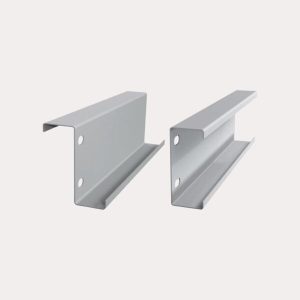
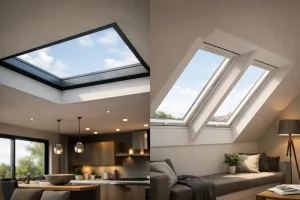
A roof is more than the visible sheets. Before placing an order, confirm sheet lengths, profile, colour, coating, roof pitch and whether anti-condensation backing is required. Then account for the supporting items: purlins or timber rails, fixings, ridge and verge flashings, eaves details, sealants, fillers, gutters and rooflights if daylight is needed.
This is especially useful on larger jobs, where a missing trim can hold up installation despite the main sheets already being on site. Roof Sheets Online supplies the full roof-build package, helping customers source compatible sheets and accessories from one place rather than coordinating several suppliers.
If you are unsure whether a fleece-backed sheet is enough for your building, start with the conditions inside it. Think about how much moisture is produced, how often the space is heated, whether it has ventilation and what sits below the roof. A straightforward conversation before ordering can save a great deal of time once the sheets are ready to fit.