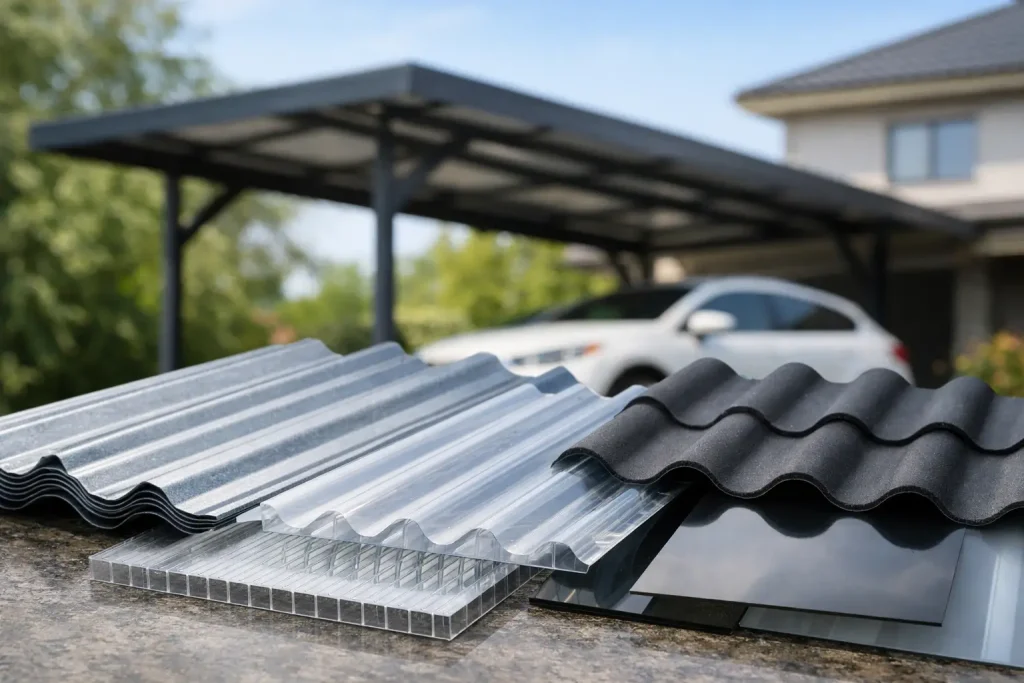
A carport roof has a fairly simple job on paper – keep the weather off the vehicle and hold up well year after year. In practice, choosing the best roofing sheets for carport builds comes down to more than just price per metre. You need the right balance of strength, runoff, light transmission, condensation control and finish, especially in the UK where wind-driven rain, frost and summer heat can all test a roof in the same year.
If you get the sheet choice right, the rest of the project tends to fall into place. If you get it wrong, you notice it quickly through drumming noise in rain, sagging spans, leaks around fixings or a carport that looks out of place next to the house. That is why material and profile matter.
The best sheet for one carport will not automatically be the best for another. A lean-to carport fixed to a house has different demands from a freestanding timber structure in an exposed garden or yard. Before settling on a product, look at span, roof pitch, exposure to wind, how much daylight you want underneath, and whether appearance matters as much as outright economy.
For most buyers, the key priorities are straightforward. The roof should be weather-resistant, strong enough for the structure below, simple to fit and good value over the long term. It also needs the correct fixings, flashings and closures. A decent sheet fitted badly with the wrong accessories is still a poor roof.
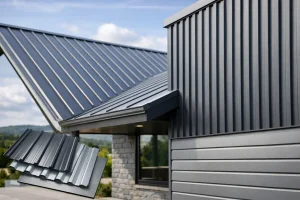
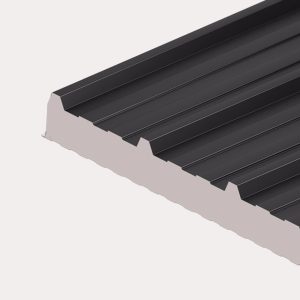
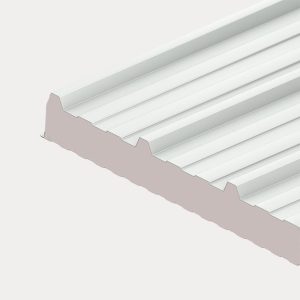
For many domestic and trade carport jobs, box profile roofing sheets are the most practical starting point. They are sleek, strong and designed to shed water efficiently. The ribbed shape gives the sheet stiffness, which helps with spanning capability and overall durability.
This type of sheet suits timber and steel carport frames and works particularly well where you want a clean, modern look rather than something overly agricultural. Box profile steel sheets are available in finishes such as polyester and plastisol, with plastisol generally offering a tougher, longer-lasting coating. If the carport is visible from the front of the property, that upgraded finish can be worth the extra cost.
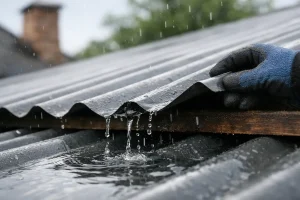
The main trade-off is noise. Like any steel sheet, box profile will be louder in heavy rain than insulated systems or some translucent options. For many carports that is not a major issue, but if the structure sits close to a living space or bedroom window, it is worth factoring in.
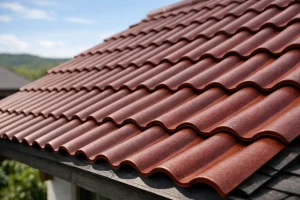
Corrugated roofing sheets remain a solid choice for carports, especially where simplicity and value matter most. The curved profile has been around for years because it works. It is strong for its weight, drains well and suits a wide range of outbuilding and shelter applications.
On a traditional-style carport, corrugated sheets can look more at home than sharper-profiled alternatives. They are often chosen for rural properties, workshops, side canopies and practical domestic builds where performance comes first. Installation is also familiar to many tradespeople and competent DIY fitters.
Compared with box profile, corrugated can feel a little more utilitarian in appearance. That may not matter at all on a side or rear elevation, but it can influence the decision on more design-led projects.
If your main goal is to keep the area bright, polycarbonate sheets deserve serious consideration. They are a popular carport option where the roof sits close to doors, windows or access routes and you do not want to create a gloomy covered space.
Polycarbonate is lightweight, easy to handle and available in clear, opal and tinted finishes. Clear sheets maximise daylight, while tinted and opal versions can soften glare and heat gain. For attached carports, that extra light can make a real difference to the feel of the space.
The compromise is that polycarbonate is not the same product as a heavy-duty steel roof sheet. It can be ideal in the right setting, but sheet thickness, support spacing and fixing details matter a great deal. Cheaper or thinner options may not deliver the long-term rigidity buyers expect, especially in more exposed locations. It is also worth remembering that translucent roofs can show dirt more readily over time.
For lower-cost carports, some buyers look at PVC or bitumen-based corrugated sheets. These products can work for lighter-duty applications and are often chosen for quick domestic jobs where keeping the spend down is the priority.
They are generally easier on the budget upfront, but they are not always the strongest long-term answer if you want a premium finish or a roof built to take years of exposure without compromise. In harsher weather, under heavy debris load, or where the carport is a prominent part of the property, steel sheets usually offer better overall value.
This is one of those cases where cheapest and best are not the same thing. A low initial spend can become less attractive if replacement comes sooner than expected.
A single domestic carport beside a house usually benefits from one of two routes. If appearance, strength and lifespan are top priorities, coated steel box profile is often the strongest all-round choice. If preserving natural light is more important, polycarbonate may be the better fit.
For larger shelters, rural settings or more functional projects, corrugated steel is often hard to beat. It offers a dependable mix of span performance, weather resistance and sensible cost. For temporary or highly budget-led structures, lightweight corrugated alternatives can have a place, but expectations need to stay realistic.
This is where project context matters. A carport protecting a family car on a front drive has different demands from a shelter over a utility vehicle at the side of a workshop.
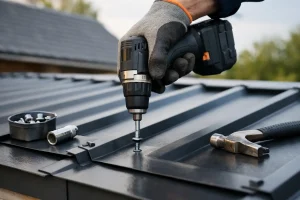
A carport roof only performs as well as the full system around it. Buyers often focus on the sheet profile and finish, then treat fixings and trims as an afterthought. That is usually where avoidable problems start.
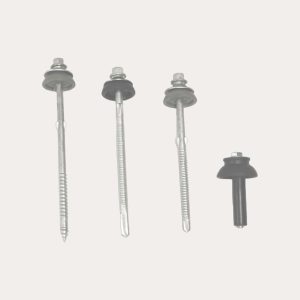
You will need the correct fixings for the sheet and substructure, suitable flashings where the roof meets a wall, and closures or fillers where required to keep out wind-driven rain and debris. If condensation is a concern, anti-condensation backing on steel sheets may also be worth discussing, particularly on enclosed or semi-enclosed structures with poor airflow.
This matters for both performance and appearance. A precision-crafted, weatherproof roof looks better and lasts better when the accessories are specified properly from the outset.
Even the best roofing sheets for carport projects can underperform if they are used outside their ideal conditions. Low-pitch roofs need sheets and lap details suited to slower water runoff. Wider spans need stronger profiles or closer support centres. Exposed sites need careful thought around fixing frequency and edge detailing.
That is why product selection should never happen in isolation. The structure below, the roof shape and the local conditions all influence what will work best. A sheet that performs well on a sheltered suburban lean-to may not be the right answer on a wind-exposed coastal site.
For trade buyers, this is standard specification thinking. For homeowners, it is the point where good supplier advice can save both time and money.
If you are choosing steel sheets, the finish matters nearly as much as the profile. Polyester is a cost-effective option for many domestic applications and can be a sensible choice where budgets are tighter. Plastisol offers a thicker, more durable coating and is often the stronger option for long-term performance and a more premium appearance.
Colour choice also has a practical side. Darker shades can look sharp and modern, but they absorb more heat. Lighter colours can keep the roof surface cooler and sometimes sit more comfortably against brick, render or existing fascias. There is no single right answer, but it is worth considering the whole property rather than treating the roof as a standalone element.
If you want a safe recommendation for most UK carport builds, start with coated steel box profile or corrugated sheets. They offer proven strength, weather resistance and long-term value, and they suit the no-nonsense demands of a carport roof. If daylight is critical, look at polycarbonate, but do not cut corners on thickness or support.
The best result usually comes from buying the roof as a complete package rather than piecing it together from different places. That means sheets, fixings, flashings and the small supporting parts that stop delays on site. For many buyers, that is where a specialist supplier earns its place. Roof Sheets Online is built around that one-stop-shop approach, helping customers get the right materials and all the necessary components without guesswork.
A carport is not the biggest roof you will ever build, but it still deserves the right specification. Choose a sheet that suits the structure, the setting and the standard you want to live with for years, and the whole job becomes far easier to get right.
Roof Sheets Online Ltd
UNIT C4
MACROME ROAD
Wolverhampton
WV6 9HD
Company No 15150940
Vat No. 4880 70856