A roof sheet is not just a cover that keeps the rain out. Its profile affects the appearance of the building, the support spacing beneath it, the accessories you need and, ultimately, how confidently the roof performs through years of British weather. When choosing between box profile vs corrugated sheets, the right answer depends on the job rather than a single “best” profile.
For a modern workshop, garage or commercial unit, box profile often gives the clean, strong finish buyers expect. For a traditional stable, agricultural shelter or garden shed, corrugated sheets can look more at home and offer a practical, cost-effective solution. Both are proven roofing and cladding options when specified correctly.
Box profile vs corrugated sheets at a glance
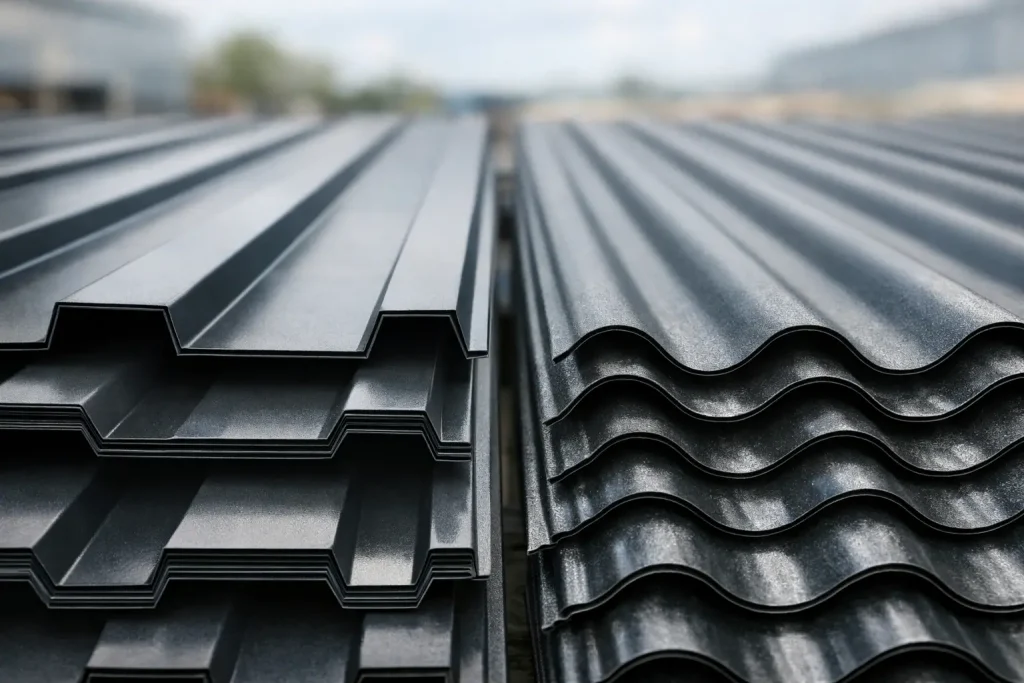
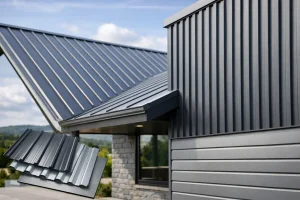
The most obvious difference is the shape. Box profile sheets have broad, angular ribs with flat pans between them. This produces a crisp, contemporary appearance and a profile that works especially well on large roof areas and wall cladding.
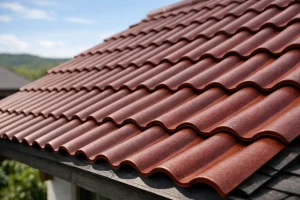
Corrugated sheets have repeating rounded waves. It is a familiar profile on agricultural buildings, lean-tos, stables and older outbuildings. The curved pattern has a more traditional character, whether you choose steel, bitumen, fibre cement or plastic corrugated roofing.
Neither profile is automatically stronger in every situation. Sheet thickness, material, coating, purlin centres, roof pitch and fixing pattern all matter. A correctly specified corrugated sheet will outperform a poorly supported box profile sheet, and vice versa. Always check the product’s recommended support centres before setting out timber or steelwork.
When box profile is the better choice
Box profile metal sheets are a popular choice where a neat, commercial finish matters. The profile looks sharp on garages, workshops, industrial units, storage buildings, garden rooms and modern agricultural structures. It can also be used vertically for wall cladding, helping a roof and building elevation match.
A clean finish for larger roofs
The wider, flatter sections of a box profile sheet create straight lines from ridge to eaves. On a broad span, this can make a building look more substantial and professionally finished. It is a strong choice for customers refurbishing an older roof who want a clear visual upgrade without moving to a more complex roofing system.
Box profile sheets are commonly available in a choice of colours and finishes, including galvanised, polyester and Plastisol-coated steel. The right coating should be selected for the location and intended service life. A basic finish may suit a low-cost garden store, while a harder-wearing coated sheet is often the better long-term investment for a working farm or commercial premises.
Practical drainage and straightforward detailing
The angular profile channels water down the roof effectively when installed at a suitable pitch. It also works neatly with purpose-made flashings, such as ridge, verge, eaves and side flashings. Ordering these alongside the sheets avoids the common mistake of trying to make generic trims fit after the roof is already installed.
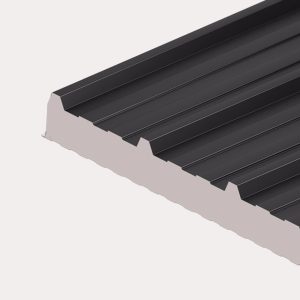
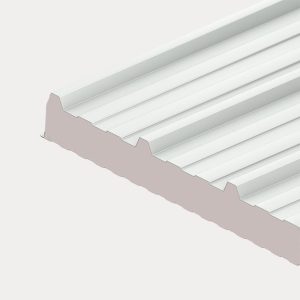
For insulated construction, box profile is particularly versatile. An insulated panel system provides the external weather sheet, insulation core and internal liner in one precision-made product. That makes it a sensible route for workshops, commercial buildings and spaces where condensation control and internal comfort are priorities.
Points to consider before buying
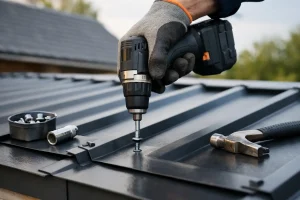
Box profile can look less sympathetic on a period property or a traditional stable block. It also needs accurate side laps, end laps and fixing positions. A clean result relies on square roof framing and the correct length of fixing with sealing washers. Do not assume that a longer screw is always better – the fixing must suit the sheet, insulation depth if present, and the timber or steel purlin beneath.
When corrugated sheets make more sense
Corrugated sheets remain one of the most adaptable roofing choices in the UK. Their wave pattern suits rural and domestic projects, and the wide material choice means the profile can answer very different requirements.
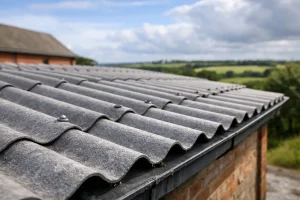
Steel corrugated sheets offer a traditional metal-roof appearance with good durability. Bitumen corrugated sheets are lightweight and useful where quiet performance and easy handling matter. Fibre cement corrugated sheets are often selected for agricultural applications, while clear corrugated rooflights can introduce natural daylight into a shed, carport or covered walkway.
A natural fit for traditional buildings
For stables, field shelters, livestock buildings, garden sheds and lean-tos, corrugated roofing often looks right from the outset. The profile softens the appearance of a simple structure and sits comfortably in rural settings. It is also a sensible match when replacing existing corrugated sheets, as the building details may already be designed around that profile.
Corrugated sheets can be easier to handle on smaller DIY projects, particularly lightweight bitumen options. That said, easy handling does not remove the need for sound preparation. The roof must have enough fall, evenly spaced supports and the correct overlap for the sheet type. Wind can lift an under-fixed sheet quickly, especially on exposed sites.
Material choice changes the answer
It is misleading to compare every corrugated sheet directly with every box profile sheet. A galvanised steel corrugated panel and a bitumen corrugated sheet are designed for different demands. The same applies to thickness, coating and span capability.
If the goal is a hardwearing metal roof with a traditional wave pattern, steel corrugated sheets are the closest comparison to box profile steel. If reducing rain noise is a major concern for a garden shed or animal shelter, bitumen may be worth considering. For a roof that needs daylight without relying solely on electric lighting, compatible translucent corrugated rooflights can be built into the run of sheets.
Strength, pitch and weather performance
Both profiles shed water well when laid to the manufacturer’s minimum roof pitch and fitted with correct overlaps. Lower pitches need particular care because water moves more slowly and wind-driven rain has more opportunity to reach laps. Never reduce an overlap simply to save material.
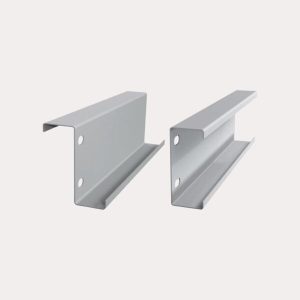
Strength is about the whole roof build. Purlin spacing must match the sheet specification, while the roof structure must be capable of carrying snow, wind and maintenance loads. Coastal, upland and open-field locations can need closer fixing centres than sheltered domestic sites. Longer sheets reduce end laps, but they may be more difficult to manoeuvre safely and can require planned access for unloading.
Condensation deserves equal attention. A single-skin metal sheet can form condensation on its underside when warm, moist air meets a cold roof. Anti-condensation fleece, suitable ventilation or an insulated roof system can help, depending on the building’s use. For a livestock building, workshop or stored equipment area, this decision should be made before the sheets are ordered, not after moisture starts dripping inside.
Accessories are part of the roof, not an afterthought
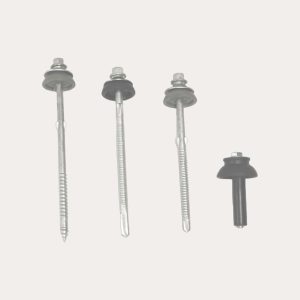
A dependable roof needs more than sheets. Profile-matched foam fillers help close gaps at ridge and eaves positions, reducing draughts, driven rain and insect entry while still allowing the roof to be detailed correctly. Flashings protect edges and junctions, while the right fixings create a weather-tight connection without crushing the sheet.
For box profile roofs, use accessories made for the rib shape and sheet depth. For corrugated roofs, choose closures and fixings that suit the wave pattern and material. Ridge pieces, bargeboards, gutters, rooflights and purlins should be considered as one package. Mixing incompatible profiles or using improvised trims usually creates avoidable leaks and a poorer finish.
How to choose for your project
Choose box profile when you want a sleek, strong, modern metal finish, particularly for a garage, workshop, commercial unit or contemporary agricultural building. It is also the natural route where matching wall cladding, insulated panels or a broad choice of steel finishes is required.
Choose corrugated sheets when the building calls for a traditional wave appearance, a lightweight roof option or a material tailored to a specific use such as bitumen, fibre cement or translucent rooflights. It is often an excellent fit for sheds, stables, field shelters and smaller outbuildings.
The deciding factor should be the complete specification: roof pitch, building use, exposure, support structure, finish, insulation needs and accessories. Roof Sheets Online can help match the sheet profile and components to the build, so you can order with a clear plan rather than trying to solve gaps and leaks on site. If you have the roof dimensions, pitch and purlin details to hand, a quick technical check before ordering can save time, waste and an unnecessary second delivery.