A roof that rattles in the wind or starts pulling around the screw heads usually points to one thing – the fixings were not set out properly in the first place. Roof sheet fixings spacing is not just a detail to tick off during installation. It affects how well the sheets hold under wind uplift, how evenly the load is spread into the purlins, and how long the roof stays weather-tight without unnecessary movement.
If you are fitting sheets to a garage, workshop, stable, agricultural building or commercial unit, getting the spacing right will save trouble later. It also helps avoid two expensive mistakes at once – under-fixing, which weakens the roof, and over-fixing, which wastes time, money and can damage the sheet.
Why roof sheet fixings spacing matters
Every roofing profile has to cope with movement, wind pressure and day-to-day weather exposure. When fixings are too far apart, the sheet can flex more than it should. That movement puts stress on the holes, can loosen washers over time and may lead to leaks or noise in gusty conditions.
Go too far the other way and pack in fixings everywhere, and you create a different problem. Too many fasteners can over-restrain the sheet, increase the chance of distortion and add unnecessary penetrations through the roof covering. More holes do not automatically mean a better roof.
Good roof sheet fixings spacing gives you a roof that is secure, neat and built to last. It also keeps the installation in line with the profile type, support layout and the conditions the building will face.
There is no single spacing rule for every sheet
This is where many projects go wrong. People look for one simple number and apply it to every roof. In practice, spacing depends on the sheet profile, the sheet thickness, the support centres, the roof pitch, the building location and whether the fixing is going into timber or steel.
A small domestic outbuilding in a sheltered spot does not always need the same fixing pattern as a larger exposed agricultural roof on open ground. Likewise, corrugated sheets are fixed differently from box profile sheets, and insulated panels follow their own manufacturer guidance.
That is why the safest approach is always to start with the sheet type and the support structure. Then check the recommended fixing pattern for that system rather than guessing on site.
Roof sheet fixings spacing for common profiles
Box profile sheets
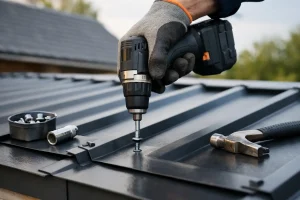
Box profile roofing sheets are widely used because they are strong, clean-looking and quick to install. They are typically fixed through the crown of the profile for roofing applications, using the correct self-drilling or self-tapping fasteners with washers.
The usual fixing layout is determined by the support positions beneath the sheet. At each purlin line, the number of fixings across the sheet width will vary by profile and exposure. Edge details, end laps and eaves often need closer attention than the middle of the roof because those areas are more vulnerable to wind uplift and water entry.
On many box profile installations, the spacing pattern is tighter at the sheet edges and more regular in the main body of the roof. That keeps the perimeter secure without over-fixing every run.
Corrugated sheets
Corrugated sheets have a different shape and load behaviour, so the fixing pattern changes accordingly. Depending on the material and profile, fixings are often placed at selected corrugations along each support line rather than every corrugation.
Again, the exact spacing depends on the sheet and the support centres. Corrugated roofing can look forgiving, but poor fixing layout tends to show up quickly as chatter in the wind, sheet movement or localised wear around the fasteners.
Fibre cement sheets
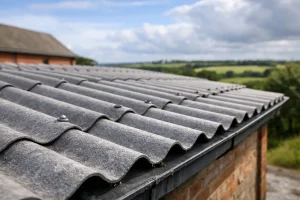
Fibre cement is handled differently from steel sheets because it is more brittle and requires the correct drilling, washers and support arrangement. Hole preparation and spacing are especially important here. If fixings are placed badly or tightened too hard, the sheet can crack or become stressed around the fixing point.
With fibre cement, following the sheet manufacturer’s recommendations is particularly important. It is not a profile where guesswork pays off.
Insulated panels
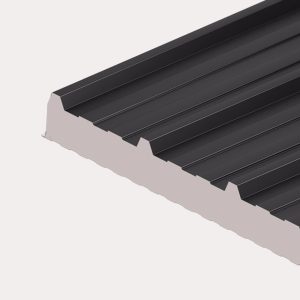
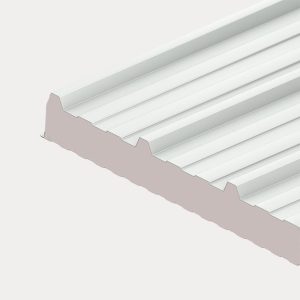
Insulated roof panels are precision-made systems, and their fixing requirements are based on panel thickness, span, outer sheet profile and structural support type. The fixing pattern is usually more specific than on single-skin sheeting, because the panel has to perform structurally as well as thermally.
This is one area where product-specific guidance matters most. If you are using insulated panels, treat the manufacturer’s fixing specification as the rulebook.
Support centres and spacing work together
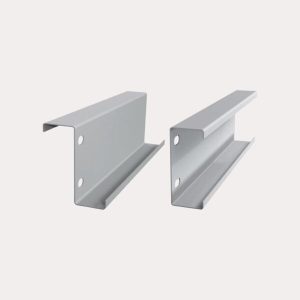
It is easy to focus only on the sheet and forget the support layout underneath. In reality, purlin centres have a direct effect on fixing performance. Even the best screw and washer combination will not make up for supports that are too widely spaced for the sheet being used.
If the purlins are set correctly, the fixings can do their job properly by holding the sheet down where it is meant to be restrained. If the supports are wrong, the sheet may flex between them, putting more strain on the fasteners and increasing the chance of leaks or fatigue over time.
That is why roofing should be looked at as a system – sheets, fixings, supports, flashings and closures all need to work together.
Areas where closer fixing may be needed
Not every part of the roof is treated the same. Perimeters and overlaps usually deserve more attention than central sheet areas. Eaves, ridges, verges and corners are often the points that catch the worst of the weather, especially on exposed sites.
End laps also need careful fixing because they are natural weak points for wind-driven rain and uplift. If the spacing is too generous here, the lap can open slightly under pressure or allow capillary action to become a problem.
This is where experience counts. A neat-looking roof is one thing, but a roof that stays tight through winter is what matters.
Common fixing spacing mistakes
The biggest mistake is assuming all metal roof sheets are fitted the same way. They are not. Another common issue is setting out fixings by eye without marking support lines properly. That often leads to inconsistent spacing, missed purlins and a roof that looks untidy from the start.
Overtightening is just as damaging as poor spacing. If the washer is crushed too far, it can lose effectiveness and shorten the life of the fixing point. Too loose, and the seal may not bed down properly.
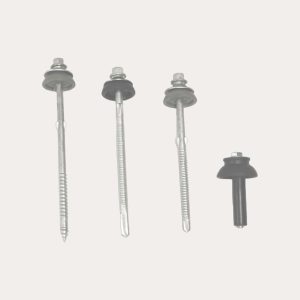
There is also the temptation to use whatever screws are on hand. The right fixing length, diameter, drill point and washer type matter just as much as the spacing itself. A quality sheet deserves a quality fixing system.
How to get roof sheet fixings spacing right first time
Start with the exact sheet profile you are installing and confirm the recommended fixing pattern before the sheets go on the roof. Check the support centres, roof pitch and whether the building sits in a more exposed area. Then make sure the fixing type matches both the sheet and the structure below.
Before full installation, it helps to set out the first sheet carefully and mark support lines consistently. That gives you a clean pattern across the roof and avoids the patchy look that comes from rushing the first few runs.
If your project includes rooflights, flashings, foam fillers or insulated sections, account for those details early. Fixing layout often changes slightly around junctions and accessory components.
For trade buyers, this is standard good practice. For competent DIY customers, it is often the difference between a roof that performs properly and one that needs remedial work after the first spell of rough weather.
When the safest answer is to ask
There are plenty of straightforward jobs where fixing guidance is clear and easy to follow. There are also projects where the right answer depends on more than one variable – unusual support centres, mixed materials, exposed locations, low pitches or refurbishment work on older structures.
That is where proper technical advice earns its keep. A one-stop supplier can help you match the sheets, fixings and accessories so the whole roof build works together, rather than leaving you to piece it together from different places. Roof Sheets Online supports customers across Great Britain with that kind of practical guidance, especially when a project needs more than a standard off-the-shelf answer.
A roof only gets one chance to be fixed correctly the first time. If you are unsure about roof sheet fixings spacing, pause before you install. Getting the pattern right on paper is far easier than correcting a finished roof after the weather has already tested it.