A stable roof has a harder job than many outbuilding roofs. It needs to keep driving rain out, manage condensation, cope with day and night temperature swings, and do it all without creating a noisy, stuffy space for horses. That is why choosing the right roof sheets for stables is less about finding the cheapest sheet and more about getting the right build-up for the job.
For most stable projects, the best choice comes down to three things – weather protection, condensation control and lifespan. Get those right and you are far more likely to end up with a roof that performs well through every season, with less maintenance and fewer call-backs.
What matters most when choosing roof sheets for stables
Stable buildings are not the same as garages or garden sheds. Inside, you have moisture from breath, washing down, damp bedding and day-to-day use. Outside, you have wind, rain, frost and summer heat. The roof has to bridge those conditions without dripping, rattling or deteriorating too quickly.
Condensation is often the main issue. A basic single-skin metal roof can look like a cost-effective option at first, but if warm, damp air rises and meets a cold sheet underside, moisture can form and drip back into the stable. That is unpleasant for animals, unhelpful for bedding and not ideal for the long-term condition of the building.
Noise is another factor. Horses can react to sudden sound, so the sharp drum of heavy rain on thin sheets is not always desirable. Light levels matter too. A stable should feel bright enough to be practical and comfortable, but not glaringly hot in summer.
Which type of roof sheet is best for stables?
There is no single answer for every yard. The right product depends on budget, roof pitch, ventilation design and whether this is a new build or refurbishment. Still, some options suit stable roofs better than others.
Box profile metal sheets
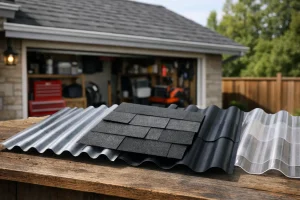
Box profile sheets are a popular choice for stable blocks because they are strong, clean-looking and quick to install. They span well, suit agricultural and equestrian buildings, and give a neat, modern finish. In the right coating, they also offer very good weather resistance and long service life.
The trade-off is that a plain single-skin box profile roof may need extra thought around condensation. An anti-condensation backing can help in some settings, and good ventilation becomes more important. If the stable is enclosed and regularly damp, stepping up to an insulated system may make better sense.
Corrugated sheets
Corrugated roof sheets are a practical option where a more traditional agricultural look is preferred. They are simple, dependable and often well suited to smaller stable roofs, field shelters and refurbishment work.
They can perform very well, but the same point applies – if you choose a basic metal corrugated sheet, you still need to think carefully about condensation and internal comfort. Strength and weatherproofing are only part of the picture.
Fibre cement sheets
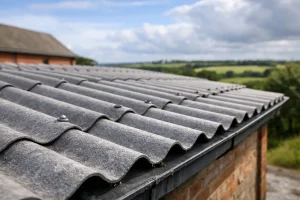
Fibre cement is well worth considering for stables. It is quieter in rain than metal, offers a more natural feel inside agricultural buildings, and does not suffer from the same level of surface condensation as an uninsulated steel sheet. For buyers focused on horse comfort and a more muted roof sound, that can be a real advantage.
The downside is weight and appearance preference. Fibre cement sheets are heavier than steel alternatives and may not suit every project aesthetically. Installation also needs to be handled correctly, particularly on replacement roofs where structure and support must be checked.
Insulated roof panels
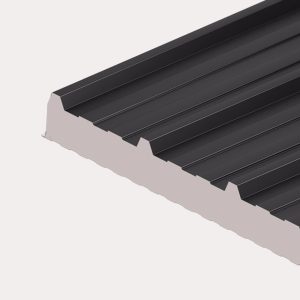
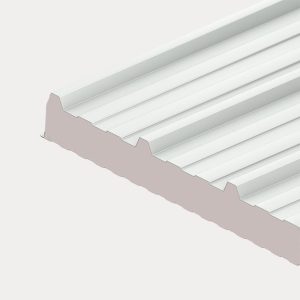
If you want the strongest all-round performance, insulated panels are often the premium answer. These systems combine outer sheet, insulation core and internal liner in one product, helping with temperature stability, condensation control and overall finish.
They cost more upfront than single-skin sheets, so they are not always the first pick for every stable yard. But where long-term value, reduced drip risk and a cleaner internal environment matter, insulated panels can justify the spend. They are especially useful on larger stable blocks, tack rooms, feed stores or mixed-use equestrian buildings where comfort and moisture control are a bigger concern.
Condensation control is not optional
If there is one mistake worth avoiding, it is treating condensation as a secondary issue. In stable buildings, it should be considered from the start. A roof can be perfectly watertight from above and still cause problems from below.
Good ventilation helps, but it is not a cure-all. Ridge ventilation, eaves ventilation and airflow through the building all play a part, yet the roof specification still matters. Anti-condensation fleece on steel sheets can help absorb moisture and release it gradually under the right conditions. For more demanding environments, insulated panels offer a more complete answer.
It depends on how the stable is used. An open-fronted shelter has very different moisture levels from a closed stable block with regular washing down and limited airflow. The more enclosed and heavily used the building, the more cautious you should be about going too basic.
Coatings, finish and long-term durability
Not all steel sheets are equal. The base material matters, but so does the finish. If you are buying metal roof sheets for stables, look closely at the coating system rather than just the sheet profile.
A higher-grade coated steel sheet will usually give better resistance to corrosion, scratching and general weathering. That matters in exposed rural settings where wind-driven rain, organic debris and day-to-day wear can all take their toll. Polyester finishes can work well for many projects, while more durable coated options are often preferred where lifespan and appearance retention are priorities.
Colour choice is not just cosmetic either. Darker shades can absorb more heat, which may be useful in some settings and less so in others. A lighter roof can help reduce solar gain in summer, especially on buildings with limited shade.
Don’t forget rooflights, flashings and fixings
A good roof is never just the sheet. This is where many stable projects go wrong, especially when materials are sourced from different places and details get missed.
Rooflights can make a stable more usable without relying solely on artificial lighting, but they need to be positioned sensibly. Too many and the space can become overly bright or warm. Too few and you lose practicality. Matching profile rooflights are normally the straightforward answer where natural light is needed.
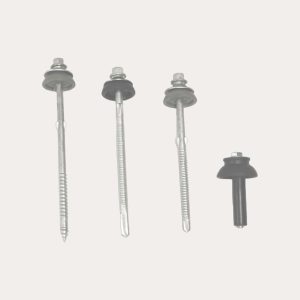
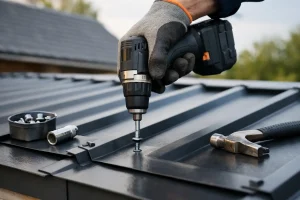
Flashings matter just as much. Ridge pieces, verge details, aprons and corner flashings all help keep water out and tidy the roof properly. Fixings need to match the sheet type and support structure. Using the wrong fixing, or too few of them, can shorten the life of the roof and affect weather performance.
This is where a one-stop supplier approach makes life easier. When sheets, flashings, rooflights and fixings are specified together, there is less guesswork and less chance of holding up a job because one component is wrong or missing.
New stable roof or refurbishment?
For a new build, you have more freedom to choose the ideal system around the building design. That usually means better planning for roof pitch, ventilation and insulation from day one.
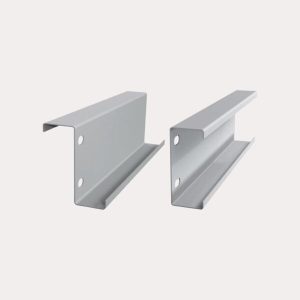
For refurbishment, the job starts with the existing structure. Before replacing old roof sheets for stables, check the frame, purlins and fixing lines are sound and suitable for the new covering. Weight, sheet span and profile compatibility all need attention. A like-for-like replacement is not always the best option if the old roof had condensation or noise issues.
Sometimes spending slightly more on a better-performing sheet saves money later in reduced maintenance, improved comfort and fewer ongoing problems. That is especially true for working yards where disruption costs time as well as money.
So what should most buyers choose?
If budget is tight and ventilation is good, a quality single-skin box profile or corrugated sheet can be a solid, weather-resistant solution, especially with the right accessories and condensation control measures. If quieter performance and a more traditional agricultural feel are priorities, fibre cement is a strong contender.
If you want the best overall roof build for a stable block used year-round, insulated panels are often the most complete option. They are sleek, strong, weather-resistant and far better suited to controlling internal conditions than a bare single-skin sheet.
At Roof Sheets Online, that is usually the conversation worth having first – not just which profile looks right, but how the building is used, how much ventilation it has, and what level of performance you need from day one.
A stable roof should not be something you revisit every winter. Choose a sheet system that suits the building properly, make sure the fixings and flashings are right, and you give yourself a far better chance of a dry, dependable roof that works as hard as the rest of the yard.